Have you ever wondered about the power of questioning techniques in education and how they can enhance critical thinking skills among students? One effective method that has stood the test of time is the Socratic method, a form of dialogue and discussion named after the ancient Greek philosopher Socrates. This method involves asking probing questions to stimulate critical thinking, encourage deep reflection, and lead to insightful problem-solving.
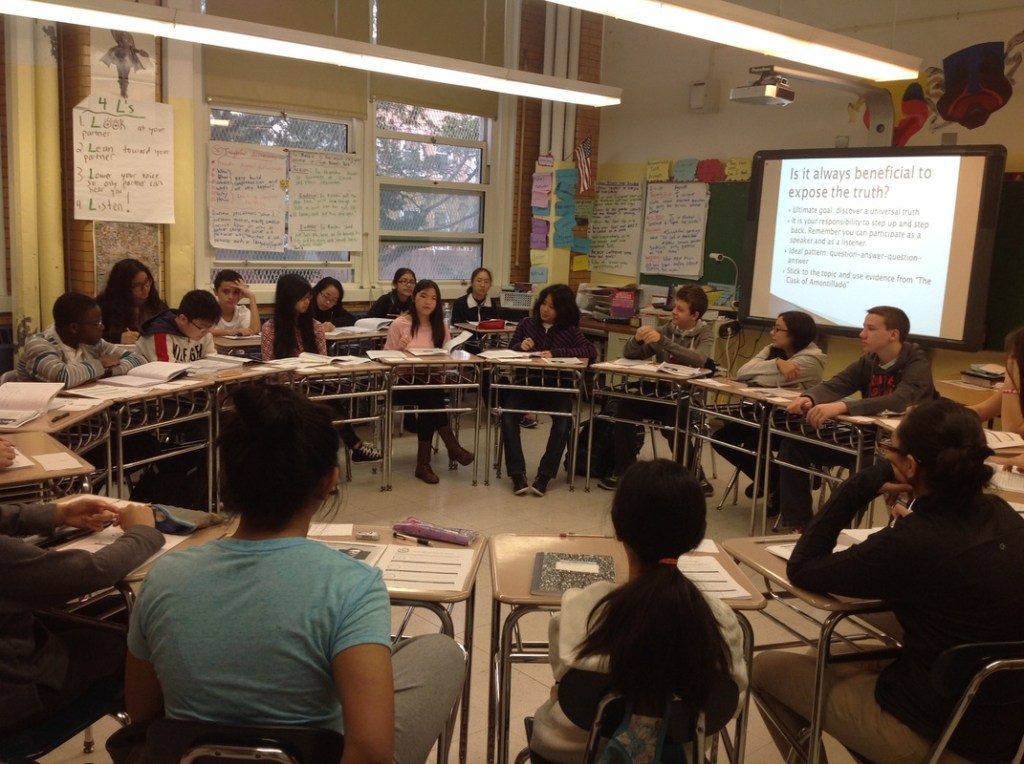
In a classroom setting, Socratic seminars are structured discussions where participants engage in thoughtful dialogue by asking open-ended questions, challenging assumptions, and exploring complex issues. Inquiry-based learning goes hand in hand with the Socratic method as it encourages students to ask their own questions, investigate topics independently, and construct knowledge through exploration.
Ethics and morality discussions are often integrated into Socratic teaching to prompt students to consider ethical dilemmas, weigh different perspectives, and develop their moral reasoning. Active listening skills play a crucial role in Socratic seminars as participants must attentively listen to each other’s viewpoints before responding thoughtfully.
Teachers play a pivotal role in facilitating Socratic questioning in the classroom by guiding discussions, encouraging respectful debate, and fostering a supportive environment for student-led dialogues. By cultivating curiosity and wonder through engaging prompts and thought-provoking texts like literature or historical documents, educators can spark interest and ignite intellectual curiosity among learners.
Technology can also be incorporated into Socratic teaching practices by using online platforms for virtual discussions or multimedia resources to enrich dialogue. Adapting the Socratic method for online learning environments involves utilizing video conferencing tools for real-time interactions or creating digital forums for asynchronous conversations.
Assessing student learning through dialogue and reflection allows educators to gauge comprehension, evaluate critical thinking skills, and provide constructive feedback for growth. Ultimately, building a community of learners through meaningful dialogue fosters collaboration, empathy, and mutual respect within educational settings.
By embracing the principles of the Socratic method in education – from promoting active inquiry to nurturing argumentation skills – teachers can empower students to think critically, communicate effectively, and become lifelong learners who actively engage with ideas that shape our world.
 Alternative Amie
Leave a comment