In today’s digital age, electronics have become an integral part of our daily lives. From smartphones and laptops to smart home devices and wearable technology, electronic gadgets are everywhere we look. While some may argue that too much screen time can be detrimental, there is no denying the positive impact that electronics can have on education and learning.
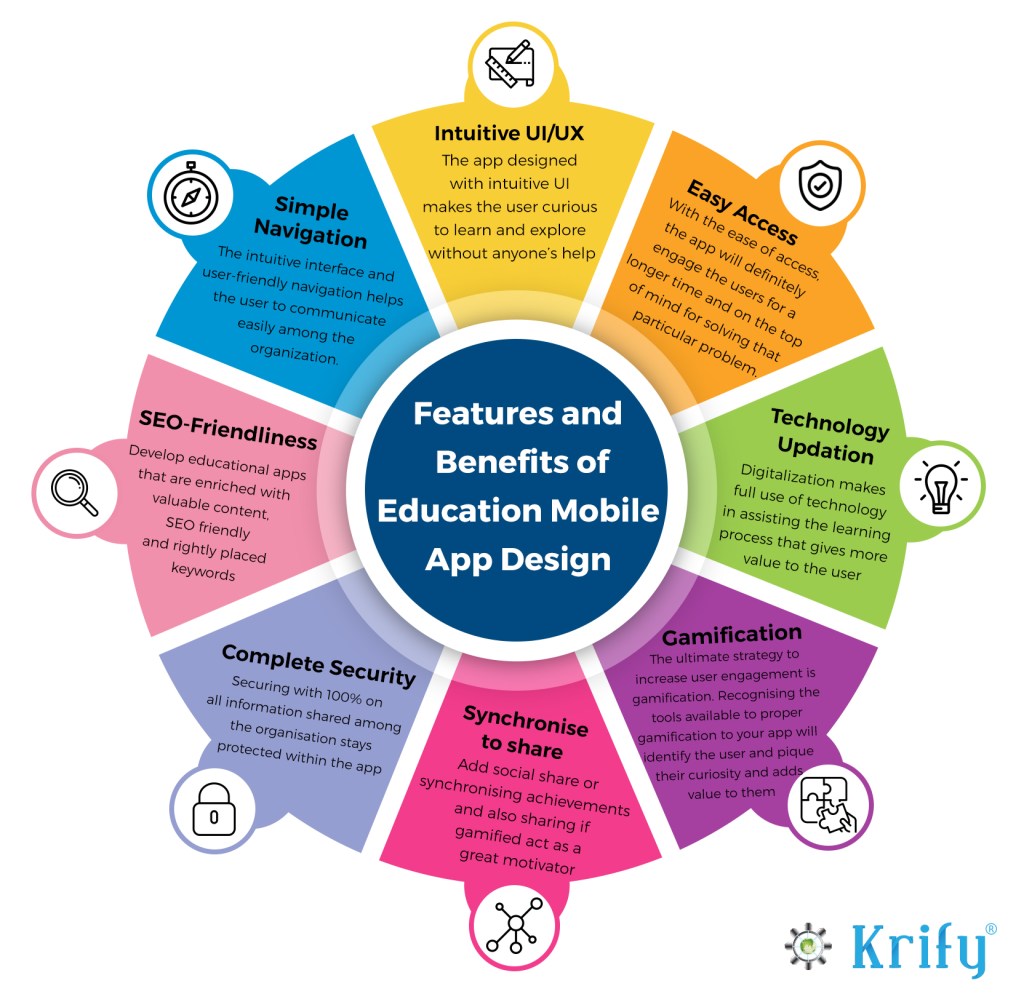
One of the key benefits of incorporating electronics into education is the access to vast amounts of information at our fingertips. With just a few clicks, students can access online resources, educational videos, interactive simulations, and more to enhance their learning experience. This instant access to information allows for self-directed learning and empowers students to explore topics that interest them in depth.
Furthermore, electronics offer personalized learning experiences tailored to individual student needs. Educational apps and software can adapt to each student’s pace and style of learning, providing targeted instruction and feedback. This level of customization ensures that every student has the opportunity to excel academically regardless of their background or abilities.
Another advantage of using electronics in education is the ability to collaborate with peers both locally and globally. Online platforms enable students to work together on projects, share ideas, and engage in discussions with classmates from around the world. This collaborative approach not only fosters teamwork skills but also exposes students to diverse perspectives and cultures.
Moreover, electronics help make learning more engaging and interactive through gamification techniques. Educational games can turn mundane tasks into fun challenges that motivate students to learn while having fun. By incorporating elements of competition, rewards, and feedback loops, these games encourage active participation and retention of knowledge in a way that traditional methods often struggle to achieve.
In conclusion, while it is important for educators to strike a balance between screen time and other forms of learning activities such as outdoor play or hands-on experiments, there is no denying the significant role that electronics play in modern education settings. By harnessing the power of technology responsibly, educators can create dynamic learning environments that cater to diverse student needs while fostering critical thinking skills necessary for success in the 21st century job market.
 Alternative Amie
Leave a comment