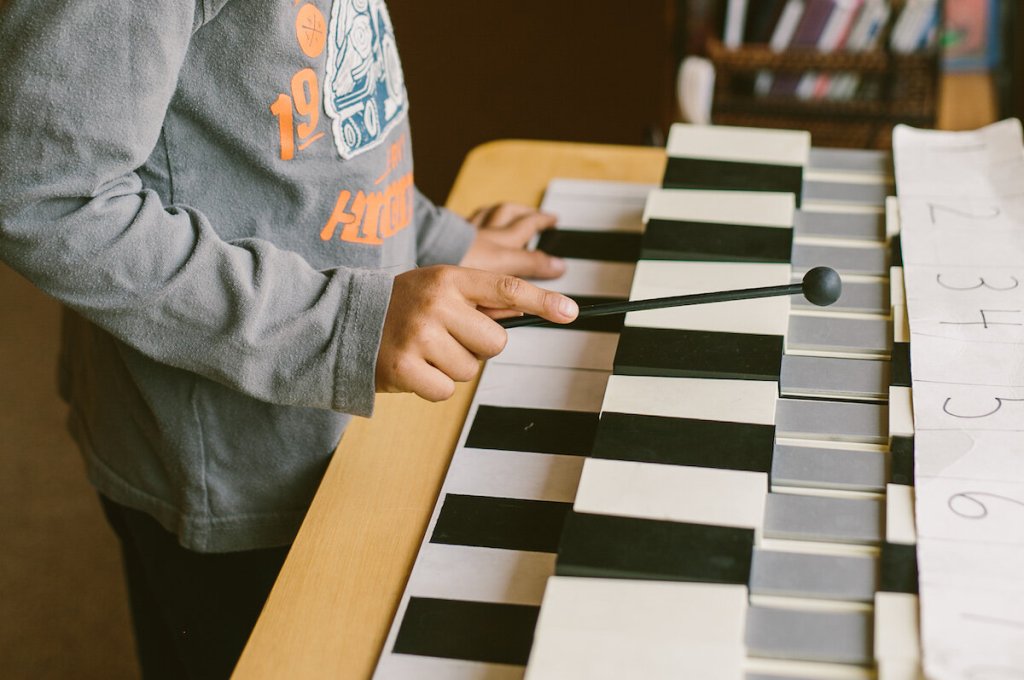
The Montessori approach to teaching music is a unique and holistic way of introducing children to the world of music. Maria Montessori believed in the importance of sensory experiences in learning, and this philosophy is evident in how music education is approached in Montessori schools.
Incorporating technology in Montessori classrooms has been a topic of debate among educators. While some argue that technology can detract from hands-on learning experiences, others believe that when used thoughtfully, technology can enhance the learning process. In Montessori settings, technology is often used as a tool to supplement traditional teaching methods rather than replace them entirely.
Outdoor education plays a significant role in the Montessori curriculum. Children are encouraged to explore and learn from nature, fostering a deep connection with the environment. Outdoor activities not only promote physical health but also spark curiosity and creativity among students.
Montessori schools have gained recognition for their inclusive approach to special education. The individualized nature of Montessori education allows children with diverse learning needs to thrive in a supportive environment tailored to their specific requirements.
Art is an integral part of the Montessori curriculum, providing children with opportunities for self-expression and creativity. Through art exploration, students develop fine motor skills and learn to appreciate different forms of artistic expression.
Implementing mindfulness practices in Montessori education helps children cultivate self-awareness and emotional regulation skills. Mindfulness activities such as breathing exercises and guided imagery promote focus and concentration while nurturing overall well-being.
Physical education holds a unique place in the Montessori philosophy as it emphasizes the importance of movement for cognitive development. Movement-based activities not only support physical health but also enhance coordination and spatial awareness among students.
Sustainability and environmental education are core principles within Montessori schools. Children are taught about conservation, recycling, and eco-friendly practices, instilling a sense of responsibility towards protecting our planet for future generations.
Integrating social justice into the Montessori curriculum teaches children about equality, empathy, and social responsibility. Through discussions on fairness and inclusivity, students develop a deeper understanding of societal issues and learn how they can make a positive impact on their communities.
Supporting children with learning differences in a Montessori setting involves personalized lesson plans tailored to each student’s unique strengths and challenges. By focusing on individual progress rather than comparison with peers, all children receive equal opportunities for growth.
Mixed-age classrooms are another hallmark of the Montessori method where older students mentor younger ones, fostering collaboration and mutual respect across age groups. This setup encourages peer-to-peer learning while promoting social skills development.
Cultural diversity is celebrated within the walls of Montessori classrooms through exposure to different traditions, languages,
and customs from around
the world.
Children
are encouraged
to embrace multiculturalism
and appreciate
the richness
of global
perspectives.
Storytelling
and narrative techniques play
a vital role
in engaging young learners
within
the framework
of
Montessoryeducation.
By weaving narratives into lessons,
students develop
language skills,
imagination,
and critical thinking abilities.
Parent involvement
is highly valued within
theMontessoryapproach,
with parents seen as partners insupportingtheir child’s educational journey.
Parents are often invitedto observe classroomactivities,
participatein school events,and collaboratewith teachers todetermineeachchild’suniqueeducationalneedsandsuccesses.Playand imaginationare central componentsinMontessoryeducationas theyencouragecreativity,self-discovery,and problem-solving abilitiesamongstudents.Mentalhealthandwell-beingsupportis an importantaspectof creatinga nurturinglearningenvironmentwithinMontessoryclassrooms.Teachersare trainedto recognizepotential signs ofs tressor anxietyinchildrenandimplementstrategiesfor promotingemotionalresilience.Project-basedlearningoffersstudentsopportunitiestoexplore topicsin-depththroughhands-onexperiencesandindependentresearch.WithinaMontessoryframework,thisapproachfosterscuriosity,criticalthinking,andcollaborationwhileallowingforindividualizedinterestsandpaceoflearning.Observationandanassessmentplaycriticalrolesinthelong-termsuccessofMontessoryeducation.Teacherobservationsofstudentbehaviorsandprogressinformlessonplanningandrevealareasneedingadditional support orchallenge.Nature-basedlearningexperiencesprovidecountlessbenefitsforchildrenwithintheMontessorysetting.Fromoutdoorclassroomsto gardeningprojects,natureimmersionnurturesaconnectionwiththeworldaroundus,fosteringcuriosityandsensoryexploration.Fostering independenceands elf-regulation skillsthroughtheMont- essormethodempowerchildrentotakeownershipoftheirlearningjourney.Bystrengtheningexecutivefunctioningskillslike planning,time-management,andself-control,Mont- essorstudentsdeveloplifelonghabits ford eeperlearningandexploration.The intersectionofflexibility,inclusivity,intentionalpractice,andholisticdevelopmentmakesMon tessorschoolsanidealsettingforempoweringyoungmindsfort hefuture.Byembracingdiverselearners,nurtur-ingcreativity,andpromotingsocialresponsibility,theMon tessorphilosophycontinuestoinspireinnovativeeducati onalpracticesacrossheglobe
 Alternative Amie
Leave a comment