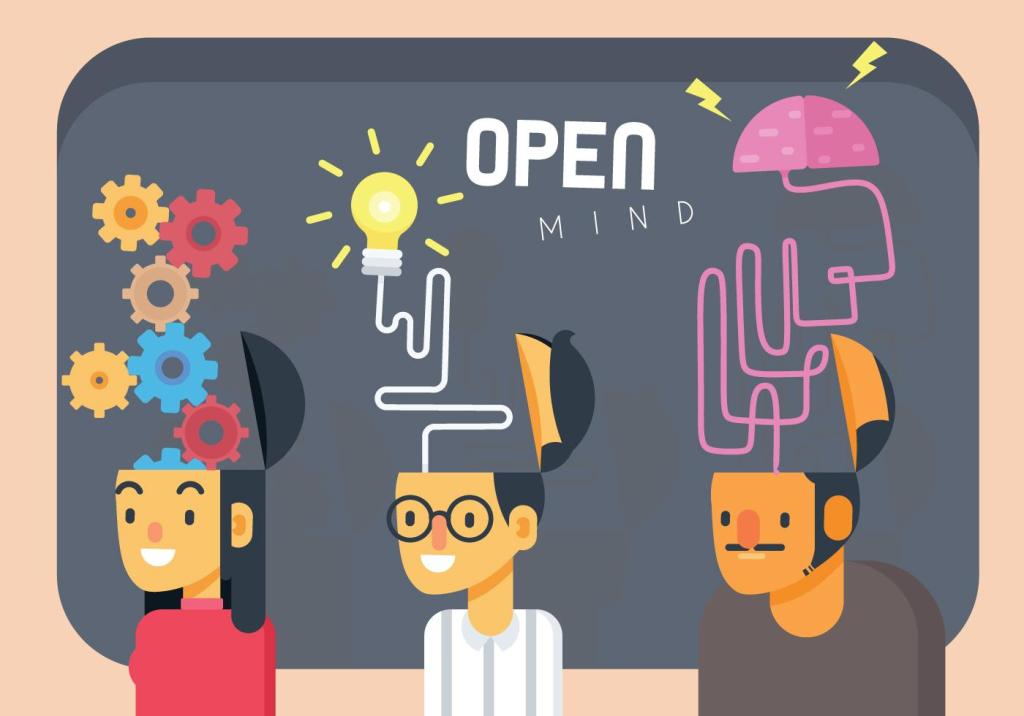
Open-mindedness is a key trait that can greatly benefit individuals in various aspects of their lives. In the realm of education, being open-minded can lead to increased creativity, critical thinking skills, and overall personal growth. By embracing different perspectives and ideas, students are better equipped to navigate the complexities of the world around them.
One of the primary benefits of cultivating open-mindedness in education is enhanced creativity. When students are receptive to new ideas and viewpoints, they are more likely to think outside the box and come up with innovative solutions to problems. This creative thinking not only applies to academic subjects but also extends into real-world scenarios where unique perspectives can make a significant impact.
Furthermore, open-mindedness fosters critical thinking skills by encouraging students to evaluate information from multiple sources and viewpoints. Instead of simply accepting information at face value, an open-minded individual will consider different perspectives before forming conclusions or making decisions. This ability to analyze situations from various angles is essential for developing well-rounded problem-solving skills that can be applied across disciplines.
In addition to enhancing creativity and critical thinking, practicing open-mindedness in education promotes personal growth and development. By being receptive to diverse opinions and experiences, students have the opportunity to broaden their understanding of the world and challenge their own beliefs and assumptions. This process of self-reflection allows individuals to evolve intellectually and emotionally as they gain new insights and perspectives.
It’s important for educators to create an environment that encourages open-mindedness among students. One way this can be achieved is through promoting diversity in curricula and classroom discussions. Exposing students to a wide range of perspectives helps them appreciate different viewpoints while also fostering empathy towards those with differing backgrounds or opinions.
Encouraging respectful dialogue is another effective strategy for promoting open-mindedness in education. Creating space for constructive conversations where all voices are heard can help cultivate a culture of mutual respect and understanding among students. By modeling respectful communication techniques themselves, teachers play a crucial role in shaping how students engage with differing opinions.
It’s also beneficial for educators to incorporate activities that challenge students’ preconceived notions or biases into their teaching practices. By presenting conflicting information or engaging in debates on controversial topics, instructors can prompt students to critically evaluate their own beliefs while considering alternative viewpoints.
Ultimately, fostering open-mindedness in education requires ongoing effort from both educators and students alike. It’s essential for individuals to approach learning with curiosity and a willingness to explore ideas outside their comfort zones. By embracing diversity, promoting respectful dialogue, and challenging preconceptions, we can create learning environments that empower individuals to become more adaptable thinkers who are prepared for success in an ever-evolving world.
 Alternative Amie
Leave a comment