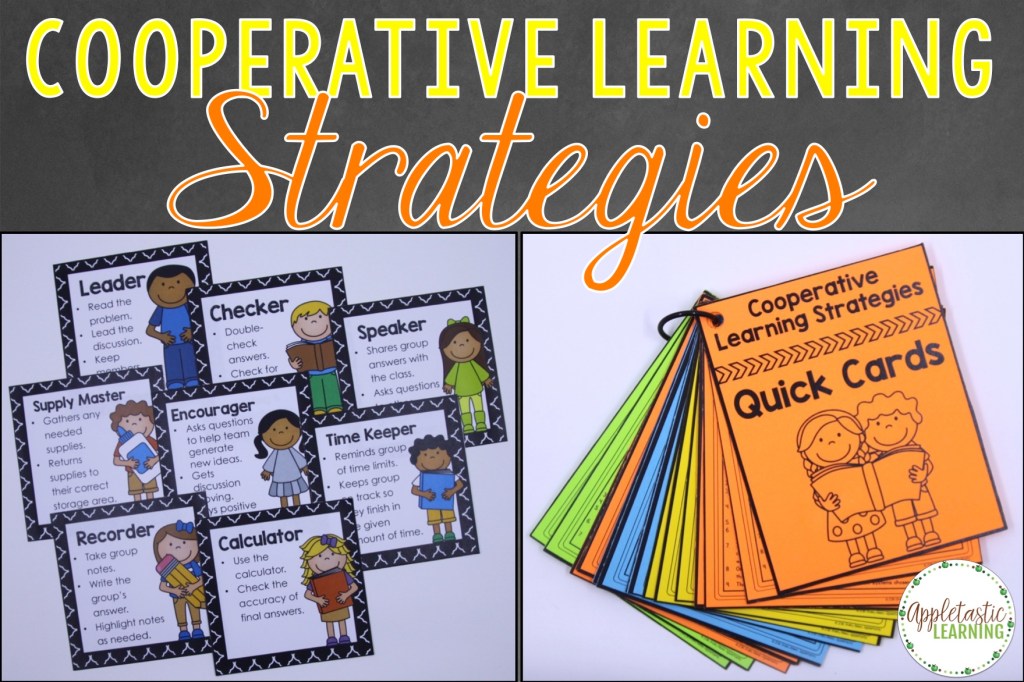
As a parent or educator in the alternative schooling and education community, finding resources that cater to teaching multiple grade levels can be a game-changer. Co-op resources offer a collaborative approach to learning that not only benefits students but also provides support and inspiration for teachers. In this spotlight on organization style post, we will explore how co-op resources can enhance your teaching experience and help you effectively engage with students of different ages and abilities.
Cooperative learning is a teaching strategy that involves students working together in small groups to achieve common goals. This approach fosters a sense of community, encourages active participation, and promotes peer-to-peer learning. When applied to teaching multiple grade levels, cooperative learning can be particularly effective in creating an inclusive and supportive classroom environment.
One of the key benefits of using co-op resources for teaching multiple grade levels is the ability to differentiate instruction based on individual student needs. By grouping students according to their skills and abilities rather than their age or grade level, teachers can provide targeted support to help each student reach their full potential. For example, older students may mentor younger ones in certain subjects, while younger students may benefit from the guidance and expertise of their older peers.
Another advantage of co-op resources is the opportunity for cross-curricular integration. Teaching multiple grade levels often means juggling various subjects and topics simultaneously. Co-op resources can help teachers seamlessly integrate different subjects into their lesson plans by incorporating activities that appeal to a wide range of interests and abilities. For instance, a science experiment could incorporate elements of math and language arts, providing a holistic learning experience for all students involved.
In addition to academic benefits, co-op resources also promote social-emotional development among students of different ages. Working collaboratively with peers helps build important skills such as communication, teamwork, empathy, and problem-solving. Students learn to appreciate diversity in perspectives and backgrounds while developing friendships that extend beyond traditional age boundaries.
When it comes to implementing co-op resources in your classroom or homeschooling environment, there are several options available depending on your specific needs:
1) Co-op curriculum: Many educational publishers offer curricula designed specifically for cooperative learning environments. These curricula typically include group activities, projects, discussions, and assessments that cater to diverse learners within a single classroom setting.
2) Online platforms: With the rise of online education tools and platforms, educators have access to virtual co-op resources that facilitate collaboration among students regardless of physical location. Virtual classrooms allow teachers to create interactive lessons, assign group projects, conduct discussions through video conferencing tools.
3) Community partnerships: Local organizations such as museums, libraries,, universities often provide valuable co-op opportunities for multi-age learners through workshops,, field trips events.. Engaging with external partners enhances real-world connections reinforces concepts learned in class..
4) Teacher collaboration: Educators working across different grade levels within school districts educational networks collaborate share best practices when it comes..creating cohesive engaging lessons for multi-age classrooms..
Ultimately,, integrating co-operative learning strategies into your teaching practice can transform the way you educate diverse groups learners., Whether you’re navigating homeschooling challenges managing mixed-grade classrooms traditional settings., leveraging co-operative approaches empower both educators learners alike., By harnessing collective knowledge talents individuals involved enriching educational experience all parties foster sense community mutual respect understanding..
 Alternative Amie
Leave a comment