Unschooling methods are a unique approach to education that focuses on allowing children to direct their own learning. Instead of following a traditional curriculum, unschooling encourages students to explore their interests and passions, leading to more meaningful and personalized learning experiences. This method values self-directed learning and believes that children will naturally learn when given the freedom to pursue topics that interest them.
Project-based learning is another innovative approach where students engage in hands-on projects that allow them to apply their knowledge and skills in real-world contexts. By working on projects, students develop critical thinking, problem-solving, collaboration, and creativity skills. This method fosters a deeper understanding of the subject matter and encourages students to take ownership of their learning.
Outdoor education involves taking classroom learning outdoors into nature. It offers numerous benefits such as improved physical health, enhanced emotional well-being, increased motivation for learning, and a greater appreciation for the environment. Outdoor education can include activities like hiking, camping, gardening, or studying local ecosystems.
Social-emotional learning (SEL) is an essential component of education that focuses on developing students’ social skills, emotional intelligence, and resilience. SEL helps students build healthy relationships, manage emotions effectively, make responsible decisions, and navigate challenging situations successfully.
Experiential learning is a hands-on approach where students learn by doing rather than just passively receiving information. This method promotes active engagement with the material through practical experiences like experiments, field trips, internships, or simulations.
The Montessori approach emphasizes independence and respect for each child’s individuality. In a Montessori classroom, children have the freedom to choose their activities within a structured environment designed to promote self-discipline and exploration.
The Reggio Emilia philosophy views children as capable learners who should drive their educational experiences through exploration and collaboration with others. This approach values creativity,
expression through various forms of art integration in the curriculum plays a vital role in enhancing student’s cognitive development while fostering creative expression.
Mindfulness practices in education focus on cultivating awareness of one’s thoughts
Gamification in the classroom uses game design elements like challenges
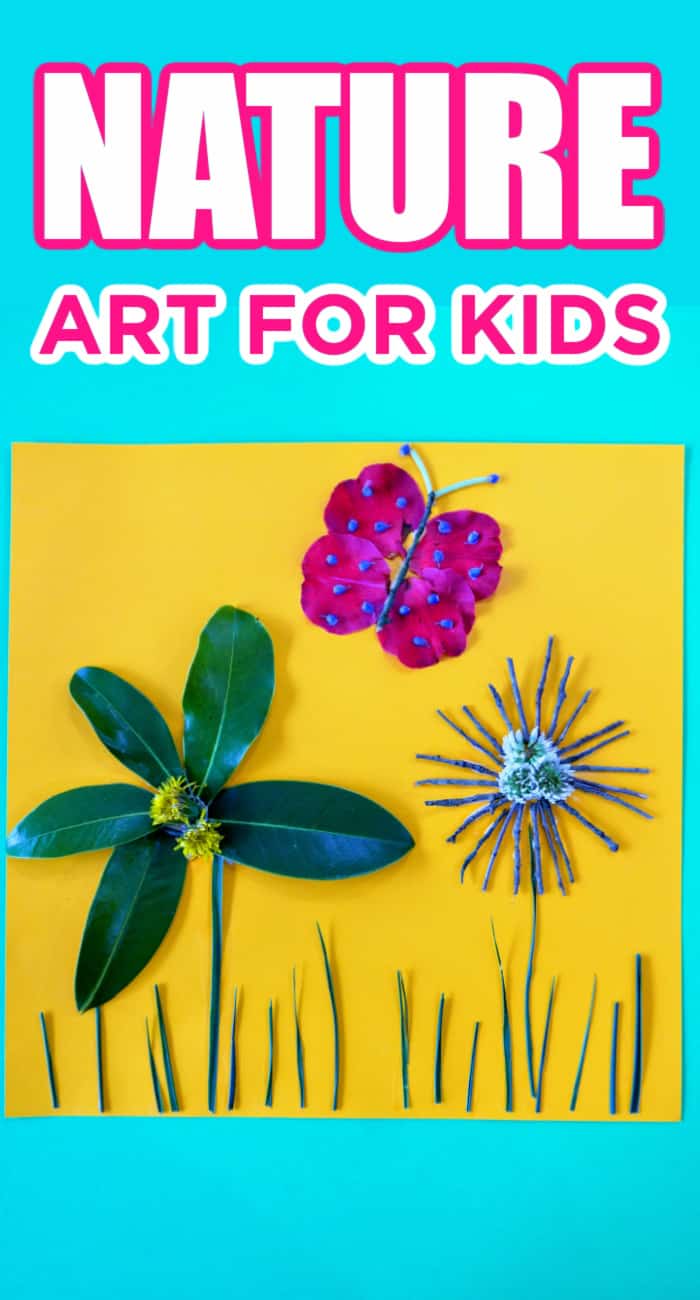
Nature-based education programs incorporate nature into the curriculum
Culturally responsive teaching strategies acknowledge diverse backgrounds Flexible scheduling allows for personalized academic calendars Student-led conferences empower learners Community partnerships provide enriching educational experiences
 Alternative Amie
Leave a comment