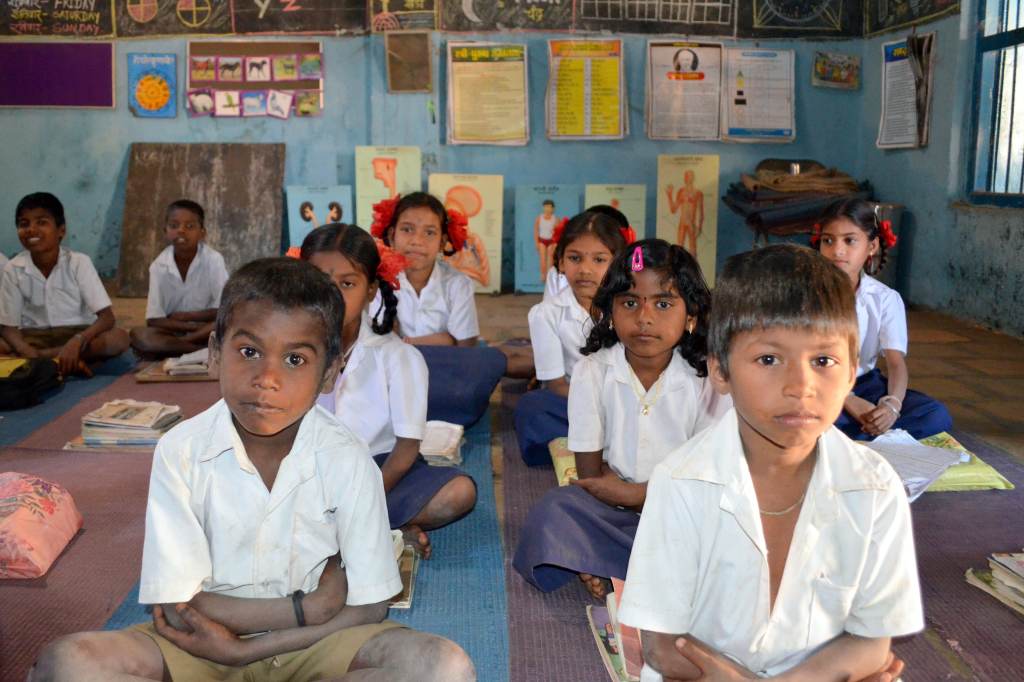
India is a country with a rich and diverse cultural heritage that dates back thousands of years. From ancient practices such as yoga and Ayurveda to modern innovations in technology and education, India continues to be a fascinating place for those interested in alternative schooling and education.
One of the most well-known aspects of Indian education is its emphasis on holistic learning. Traditional Indian education systems have always recognized the importance of educating not just the mind, but also the body and spirit. This approach can be seen in practices such as yoga and meditation being incorporated into school curriculums, helping students develop focus, concentration, and emotional intelligence alongside academic knowledge.
Another unique aspect of Indian education is its focus on experiential learning. Many schools in India emphasize hands-on activities, field trips, and project-based learning to help students understand concepts in a practical way. This approach not only makes learning more engaging for students but also helps them develop critical thinking skills and problem-solving abilities that are essential for success in today’s world.
In recent years, there has been a growing interest in alternative schooling options in India, such as Montessori schools, Waldorf schools, and homeschooling. These alternatives offer innovative approaches to education that cater to individual learning styles and preferences. For example, Montessori schools provide children with freedom within limits to explore their interests at their own pace, while Waldorf schools focus on nurturing creativity and imagination through arts-based activities.
Furthermore, India’s rich tradition of storytelling plays a significant role in its educational landscape. Storytelling has long been used as a powerful tool for imparting moral values, cultural knowledge, and life lessons to children. By incorporating storytelling into education settings, teachers can make learning more engaging and memorable for students while also instilling important values and ethics.
India’s diverse cultural heritage also offers valuable opportunities for cross-cultural exchange and learning. With over 1.3 billion people belonging to various ethnicities, religions, languages, and traditions coexisting harmoniously in the country, Indian students have the chance to learn from a wide range of perspectives and experiences. This multicultural environment fosters tolerance, empathy, respect for diversity among students—a crucial skill set for global citizens in today’s interconnected world.
In conclusion,
India offers a wealth of opportunities for those interested in alternative schooling
and education.
Its holistic approach,
emphasis on experiential learning,
support for innovative alternatives like Montessori
and Waldorf schooling,
inclusion of storytelling,
and celebration of cultural diversity all contribute
to creating a dynamic educational landscape.
By exploring these unique aspects of Indian education,
educators around the world can gain valuable insights
into how different approaches
can nurture well-rounded individuals who are equipped
to navigate an increasingly complex
and interconnected world.
Overall,
India stands out as an inspiring example
of how diverse educational methodologies
can come together harmoniously
to create meaningful learning experiences
for learners across all ages.
Whether one is drawn by ancient wisdom or modern innovation,
there is much that alternative educators can learn from India’s rich tapestry
of educational practices.
 Alternative Amie
Leave a comment