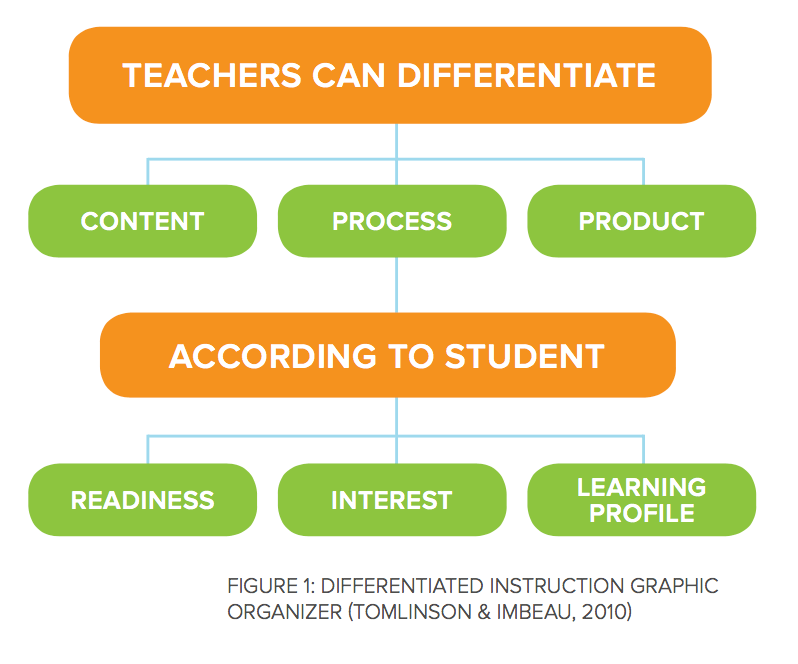
Differentiated instruction is a teaching approach that aims to cater to the diverse learning needs of students by providing varied and customized instructional strategies. This method acknowledges that learners have different strengths, weaknesses, interests, and learning styles, and therefore require tailored support to maximize their academic growth.
In traditional classrooms, teachers often employ a one-size-fits-all approach to instruction, which may not effectively address the individualized needs of all students. Differentiated instruction seeks to rectify this issue by offering multiple avenues for students to access information, make sense of concepts, and demonstrate their understanding. By personalizing the learning experience, educators can better engage students in the material and promote deeper understanding.
One of the key principles of differentiated instruction is assessment-driven instruction. Instead of relying solely on standardized tests or quizzes to evaluate student progress, teachers use various forms of assessment (such as pre-assessments, observations, interviews) to gather data about each student’s strengths and areas for improvement. This information guides teachers in creating flexible lesson plans that target specific skills or concepts based on individual student needs.
Another important aspect of differentiated instruction is content differentiation. This involves modifying the content being taught to meet the varying levels of readiness among students. For example, advanced learners may be given more challenging materials or assignments that delve deeper into a topic, while struggling students may receive additional support or alternative resources to help them grasp essential concepts at their own pace.
Process differentiation focuses on how students learn best and provides opportunities for them to engage with material in ways that align with their preferences. Some students may excel through hands-on activities or group work, while others might thrive when working independently or through visual aids like diagrams or charts. By offering a variety of instructional methods and activities within a lesson plan, teachers can accommodate different learning styles and abilities.
Product differentiation refers to allowing students to showcase their understanding in diverse ways beyond traditional assessments like tests or essays. Students can choose from options such as presentations, projects, portfolios, debates, performances – enabling them to demonstrate mastery according to their strengths and interests.
By incorporating these elements into their teaching practice,
educators create an inclusive classroom environment where all
students feel valued and supported regardless of differences
in ability level.
Differentiated instruction has been proven effective in improving student achievement across various grade levels and subject areas.
Research shows that when implemented correctly,
it can lead
to increased engagement,
motivation,
and overall academic success among learners.
Additionally,
differentiation supports social-emotional development by fostering positive relationships between teachers
and students
and promoting a sense
of belonging within the classroom community.
While differentiated instruction offers numerous benefits for both educators
and learners,
it also presents challenges that must be addressed.
Time constraints,
limited resources,
large class sizes,
and lack
of training are common obstacles faced by teachers seeking
to implement differentiation strategies effectively.
Furthermore,
maintaining consistency across multiple sections
or subjects poses difficulties for educators juggling various demands throughout the school day.
To overcome these challenges,
teachers can collaborate with colleagues
to share ideas,
resources,
and best practices related
to differentiated instruction.
Professional development opportunities
can also provide valuable support
for educators looking
to enhance their knowledge
and skills regarding differentiation techniques.
Additionally,
administrators play a crucial role in supporting teachers’ efforts
by allocating sufficient time,
resources,
and training
for implementing differentiated instruction successfully.
In conclusion,
differentiated instruction stands as an invaluable tool
for promoting equity
in education
by addressing diverse learner needs
effectively.
By recognizing
the unique talents,
abilities,
interests,
and challenges
that each student brings
into the classroom,
educators empower learners
to reach their full potential
regardless
of differences
in background
or ability level.
Through personalized
instructional strategies
tailored specifically
to individual learners,
teachers create inclusive environments
where all students feel supported,
valued,
and capable
of achieving success.
Implementing differentiated Instruction requires dedication,
patience,
creativity,
collaboration
– but its impact on student learning outcomes makes it well worth the effort.
As schools continue striving towards educational excellence
differentiation remains an essential tool
for meeting
the diverse needs
of today’s learners.
It is only through embracing diversity
embracing diversity
within our classrooms
that we can truly unlock
the full potential
of every child.
Let us continue advocating
for educational practices
that honor each student’s unique journey
towards success.
Together,
we can build
a brighter future
for all individuals involved
in shaping tomorrow’s leaders.
 Alternative Amie
Leave a comment