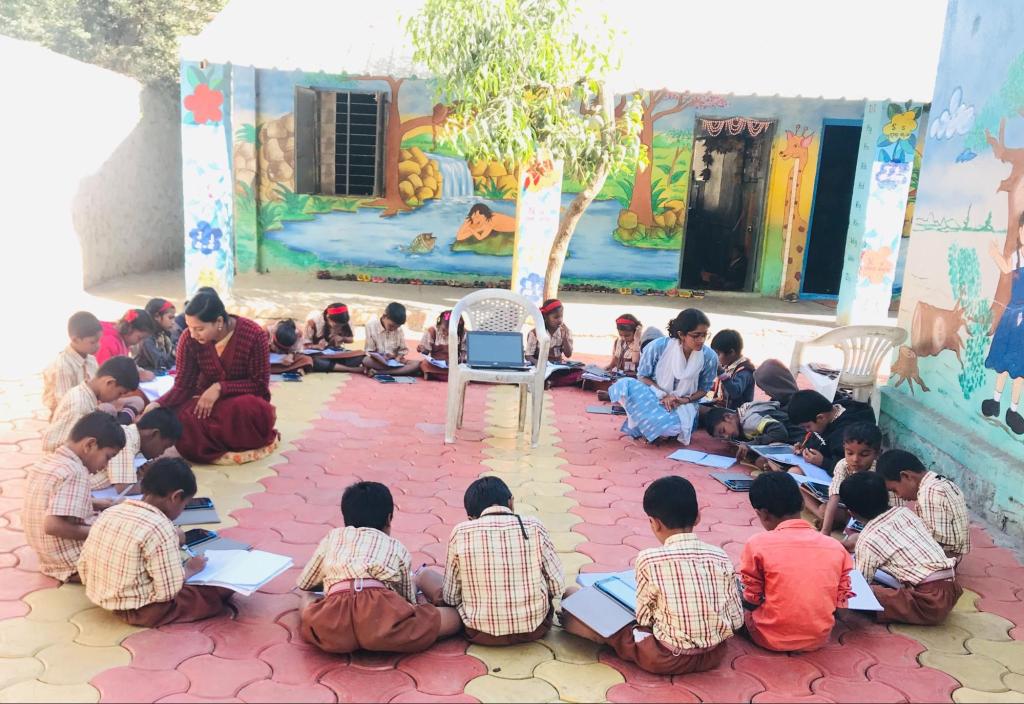
Rural microschools are a growing trend in the field of alternative education, offering a unique and innovative approach to learning for students in rural communities. These small, independent schools typically have fewer than 20 students and are often located in non-traditional settings such as community centers, libraries, or even private homes.
One of the key advantages of rural microschools is their ability to provide personalized and flexible learning experiences for students. With small class sizes, teachers can tailor instruction to meet the individual needs and interests of each student. This personalized approach allows students to learn at their own pace and delve deeper into subjects that spark their curiosity.
In addition to personalized learning, rural microschools also prioritize hands-on, experiential learning opportunities. Students often engage in project-based learning activities that encourage critical thinking, problem-solving skills, and creativity. By connecting classroom learning to real-world applications, students develop a deeper understanding of academic concepts while honing valuable practical skills.
Another benefit of rural microschools is their strong sense of community and tight-knit relationships among students, teachers, and families. In these small school settings, everyone knows each other by name, fostering a supportive and inclusive environment where every voice is heard and valued. This sense of community not only enhances the overall educational experience but also promotes social-emotional growth and well-being among students.
Furthermore, rural microschools often leverage technology to enhance teaching and learning experiences. Through online resources, virtual field trips, video conferencing with experts from around the world, and other digital tools, these schools can offer a wide range of educational opportunities beyond traditional classroom boundaries. Technology also enables remote collaboration among students from different locations, expanding their perspectives and enriching their educational journey.
Despite these benefits, there are some challenges associated with rural microschools. Limited resources may constrain the variety of courses offered or access to specialized facilities such as science labs or art studios. Additionally,
the availability of qualified teachers willing to work in remote areas can be a concern for some rural microschool programs.
However,the flexibility inherent in this model allows for creative solutions to overcome these challenges.For example,rural microschools may partner with local organizations,businesses,and universities,to provide additional resources,such as guest speakers,mobile science labs or internships.This collaborative approach not only enriches the educational experience but also strengthens ties between the school
and its surrounding community.
Overall,rural microschools offer an innovative alternative schooling option that prioritizes personalized learning,hands-on experiences,strong
community connections,and technological integration.These schools cater specifically
to meet the needs of learners residing in sparsely populated areas,in ways that traditional public schools may struggle.Attracing parents who seek an individualized,dynamic,and close-knit educational environment for their children.Inspiring educators who embrace innovation,collaboration,and creativity.
As we continue exploring new approaches
to education,rural microschools serve as shining examples
of how creativity,resilience,and dedication can transform
learning opportunities wherever they bloom
in our vast educational landscape
 Alternative Amie
Leave a comment