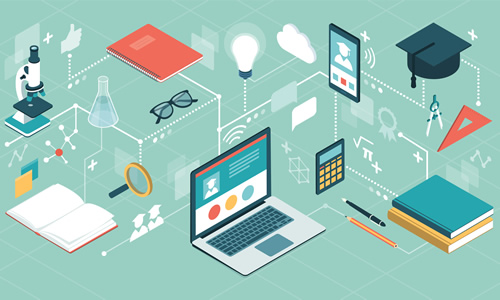
In today’s digital age, electronics play a significant role in our lives, especially when it comes to education. With the advancement of technology, electronic devices have become essential tools for learning and teaching in alternative schooling and education settings. From laptops and tablets to interactive whiteboards and educational apps, electronic gadgets are revolutionizing the way students learn and educators teach.
One of the primary benefits of incorporating electronics into alternative schooling is the ability to access vast amounts of information at our fingertips. The internet provides a wealth of resources that can enhance traditional classroom learning by offering additional explanations, examples, and practice exercises. Students can conduct research, watch educational videos, participate in online discussions with peers from around the world, and engage in virtual simulations that bring complex concepts to life.
Furthermore, electronic devices allow for personalized learning experiences tailored to individual student needs. Adaptive learning software can analyze students’ performance data and provide targeted instruction based on their strengths and weaknesses. This personalized approach helps students progress at their own pace, filling knowledge gaps and challenging them with more advanced material as they master each concept.
Electronic devices also promote collaboration among students through various communication tools such as video conferencing platforms, messaging apps, online forums, and shared document editing programs. These collaborative features enable students to work together on group projects remotely or connect with experts in different fields for virtual guest lectures or mentoring sessions.
Additionally, electronics facilitate creativity and innovation in education through multimedia content creation tools like video editing software, graphic design programs, animation tools, music composition software, coding platforms, and more. Students can express their ideas creatively through digital storytelling projects or develop innovative solutions to real-world problems using technology.
Moreover using electronics in alternative schooling opens up opportunities for distance learning and remote education. Students who may not have access to traditional brick-and-mortar schools due to geographical constraints or health reasons can still receive quality education through online courses offered by accredited institutions or virtual classrooms facilitated by skilled instructors.
However despite all these advantages it’s important for educators to strike a balance between screen time and hands-on activities during instructional time. Encouraging breaks from screens can help prevent eye strain fatigue mental burnout encourage physical activity improve social skills foster creativity build problem-solving abilities increase attention span develop fine motor skills enhance critical thinking nurture face-to-face communication promote emotional intelligence support healthy sleep habits reduce anxiety levels boost overall well-being etc.
In conclusion integrating electronics into alternative schooling offers numerous benefits including instant access to information personalized learning experiences enhanced collaboration opportunities increased creativity innovation potential expanded distance remote education options etc.. By leveraging these technological advancements effectively educators can create engaging enriching educational experiences that prepare students for success in an increasingly digital world.
 Alternative Amie
Leave a comment