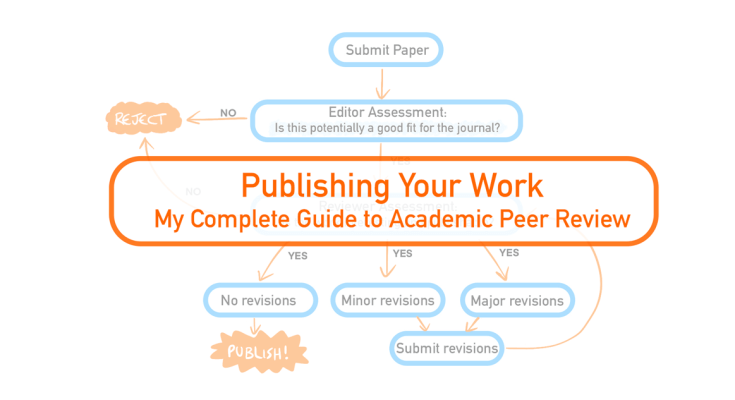
Peer review is a crucial aspect of the academic and research world, playing a significant role in maintaining the quality and integrity of scholarly work. This process involves experts in the same field as the author critically evaluating their work before it is published or accepted for presentation at conferences. The aim of peer review is to ensure that only high-quality, accurate, and credible research is disseminated to the wider academic community.
One of the key benefits of peer review is its ability to provide valuable feedback to authors. By having their work reviewed by peers who are knowledgeable in the subject matter, authors receive constructive criticism and suggestions for improvement. This feedback can help authors refine their research and writing skills, ultimately leading to stronger and more impactful publications.
Additionally, peer review helps maintain standards within academia by ensuring that published works meet certain criteria for quality and accuracy. Reviewers assess factors such as methodology, data analysis, interpretation of results, and overall contribution to the field. Through this rigorous evaluation process, subpar or flawed research can be identified and prevented from being published.
Moreover, peer review serves as a form of quality control in academia. Journals and conferences rely on peer reviewers to uphold their reputation for publishing reputable work. By undergoing thorough scrutiny from multiple experts in the field, publications gain credibility and trust among readers.
Another important aspect of peer review is its role in fostering collaboration within academic communities. Reviewers often engage in discussions with authors about their work, sharing insights and perspectives that can lead to new ideas or collaborations. This exchange of knowledge helps advance research within a particular field while also building relationships among scholars.
Furthermore, peer review promotes transparency and accountability in academic publishing. Authors must disclose any conflicts of interest or funding sources related to their research during the submission process. Reviewers are tasked with evaluating these disclosures to ensure that there are no biases or undue influences present in the study.
In recent years, there has been growing recognition of the need for diversity and inclusivity in peer review processes. Efforts are being made to increase representation among reviewers from diverse backgrounds including gender, ethnicity, nationality, institutional affiliation, etc., so that different perspectives can be brought to bear on evaluating scholarly work.
Overall; Peer review plays a vital role not only in maintaining high standards within academia but also promoting growth through feedback mechanisms essential for continuous improvement amongst researchers worldwide.
 Alternative Amie
Leave a comment