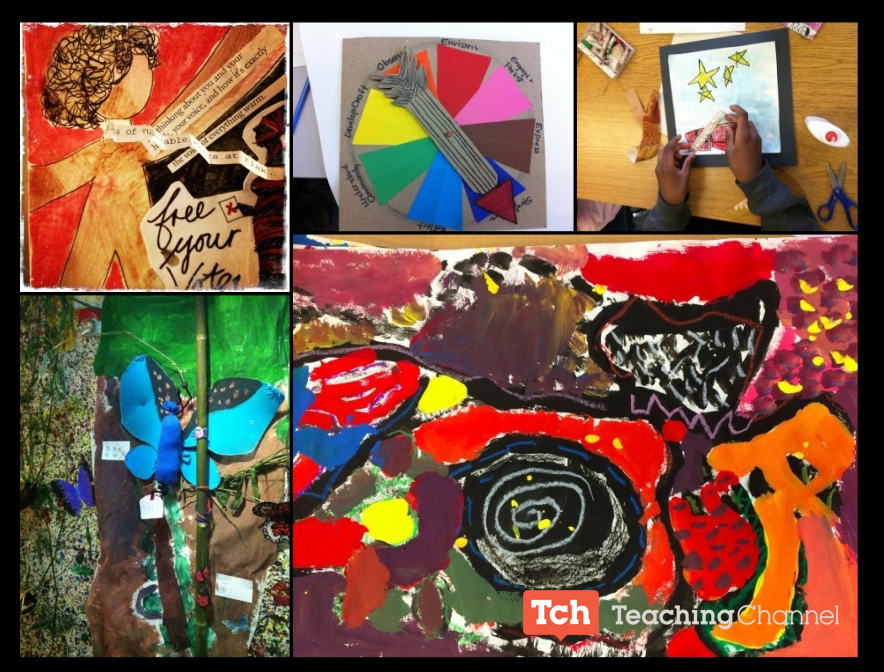
Arts integration is a teaching approach that incorporates various art forms, such as music, visual arts, dance, and theater, into academic subjects like math, science, language arts, and history. This method of instruction aims to engage students in creative ways while enhancing their understanding and retention of the material being taught.
One key benefit of arts integration is its ability to cater to different learning styles. By incorporating diverse art forms into traditional academic subjects, educators can provide multiple entry points for students to access the content. For example, a student who struggles with reading comprehension may excel in understanding a historical event through a visual representation or a dramatic reenactment. By tapping into students’ strengths and interests through various art forms, teachers can create a more inclusive and engaging learning environment.
Moreover, arts integration fosters creativity and innovation among students. Through hands-on experiences with different art forms, learners are encouraged to think outside the box, experiment with new ideas, and express themselves in unique ways. This process not only enhances their artistic skills but also nurtures important 21st-century skills such as critical thinking, problem-solving, collaboration, and communication.
Arts integration also promotes interdisciplinary connections by bridging the gap between different subject areas. For instance, a science lesson on plant growth can be enhanced by incorporating elements of visual arts through drawing or painting plants at various stages of development. This approach helps students see how concepts from one subject area can be applied in others and encourages them to make meaningful connections across disciplines.
Furthermore, arts integration has been shown to improve academic performance and increase student engagement. Research indicates that integrating arts into core curriculum subjects can lead to higher test scores in areas such as reading and math. By making learning more interactive and enjoyable for students through creative expression and exploration of different art forms,
Another advantage of arts integration is its ability to promote social-emotional development among students. Engaging in artistic activities allows individuals to express their emotions non-verbally while building self-confidence and self-awareness. Through collaborative projects that involve teamwork and communication skills,
Arts integration offers numerous benefits for both educators and students alike; however implementing this approach effectively requires careful planning collaboration among teachers administrators support staff parents community members In order ensure successful implementation educators must receive adequate training professional development opportunities ongoing support resources integrate arts seamlessly into existing curricula develop assessments measure impact regularly reflect refine practices necessary Arts Integration represents innovative educational strategy challenges conventional methods emphasizing creativity cross-disciplinary connections social emotional learning ultimately preparing today’s learners success diverse ever-changing world
 Alternative Amie
Leave a comment