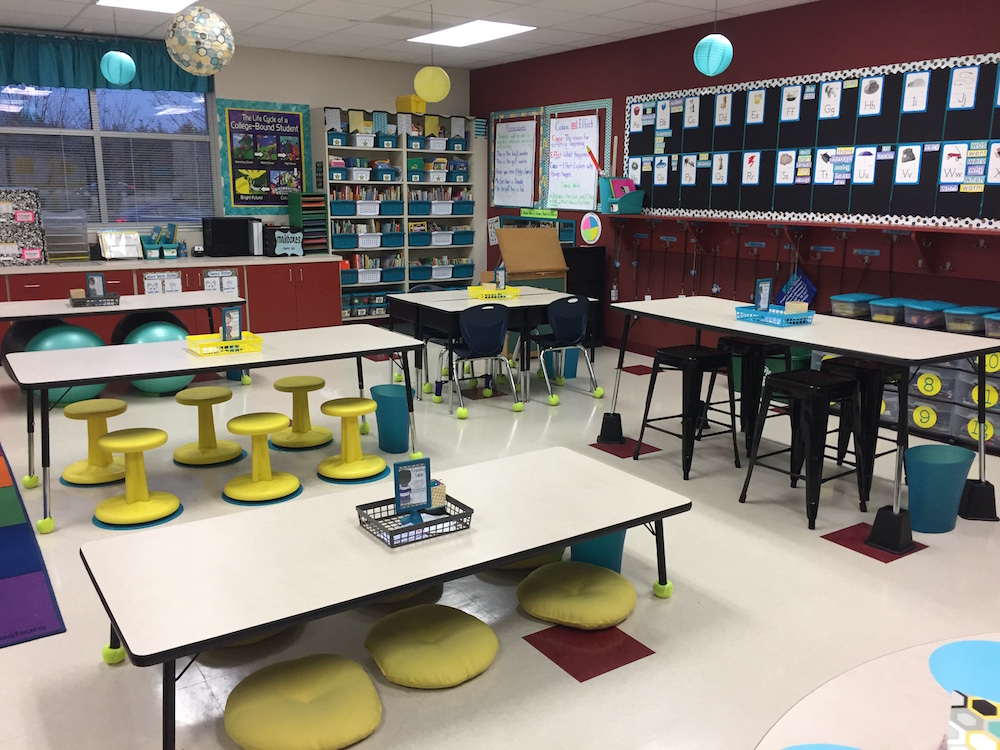
In recent years, there has been a growing emphasis on the importance of incorporating creative expression and flexible learning environments into educational settings, particularly in multiage classrooms. By blending students of different ages and abilities together in one space, educators have the unique opportunity to foster collaboration, inclusivity, and diversity awareness among young learners. One innovative way that teachers can enhance these aspects is through implementing flexible seating arrangements within the classroom.
The traditional setup of rows of desks facing forward no longer aligns with modern teaching philosophies that prioritize student-centered learning experiences. Flexible seating offers an alternative approach by providing students with a variety of seating options such as bean bags, floor cushions, standing desks, wobble stools, or even cozy reading nooks. This allows students to choose where they feel most comfortable and engaged during different activities throughout the day.
Research has shown that allowing students to select their own seats can lead to increased engagement levels and improved academic performance. In a multiage classroom setting, this becomes even more important as it encourages interaction between students of varying ages and promotes peer-to-peer learning opportunities.
One significant impact of flexible seating arrangements is the enhancement of student collaboration skills. When children are given the freedom to move around and work in groups or pairs based on their preferences, they are more likely to communicate effectively with peers from different age groups. This not only strengthens their social skills but also exposes them to diverse perspectives and ideas.
Moreover, by mixing older and younger students together in a shared space without physical barriers like assigned desks or separate tables for each grade level, teachers can create an inclusive environment that celebrates differences while fostering empathy and understanding among classmates. This is essential for promoting diversity awareness from an early age and preparing students for future interactions in a globalized world.
To ensure that inclusivity remains at the forefront of the classroom dynamic in a mixed-age group setting, educators must implement strategies that celebrate diversity in all its forms. One effective approach is through integrating culturally relevant content into lesson plans that reflect the backgrounds and experiences of all students present in the classroom. By acknowledging various cultural traditions, languages spoken at home, holidays celebrated by different families, or historical events relevant to diverse communities represented within the class cohort – teachers can create an inclusive curriculum that validates every child’s identity.
Additionally, promoting open discussions about various topics related to identity markers such as race/ethnicity, gender identity/expression or socioeconomic status can help cultivate mutual respect among students while encouraging them to embrace differences rather than shy away from them.
Another crucial aspect of fostering inclusivity within a mixed-age group is ensuring equitable access to resources for all learners regardless of their background or abilities. Teachers should be mindful about providing support systems tailored towards individual needs such as language assistance for English Language Learners (ELLs), extra time on assignments for students with disabilities or additional challenges for gifted learners who may require advanced materials beyond their current grade level standards.
Furthermore; creating opportunities for collaborative projects where older children mentor younger ones can also reinforce a culture of inclusiveness within the classroom community while building leadership skills among older peers who take on roles as guides or role models for their younger counterparts.
Overall; by integrating creative expression through flexible seating arrangements; educators have an excellent opportunity to enhance student engagement; promote collaboration across age groups; foster inclusivity & diversity awareness within multiage classrooms.
 Alternative Amie
Leave a comment