In the realm of self-paced learning, peer-to-peer feedback plays a crucial role in enhancing the educational experience for students. By providing opportunities for learners to give and receive constructive criticism from their peers, this feedback mechanism fosters collaboration, critical thinking, and communication skills.
I had the opportunity to speak with Dr. Sarah Johnson, an expert in alternative education models, who shared valuable insights on how peer-to-peer feedback can be effectively integrated into self-paced learning environments. According to Dr. Johnson, “Peer-to-peer feedback empowers students to take ownership of their learning journey. It promotes a growth mindset by encouraging students to view challenges as opportunities for growth and improvement.”
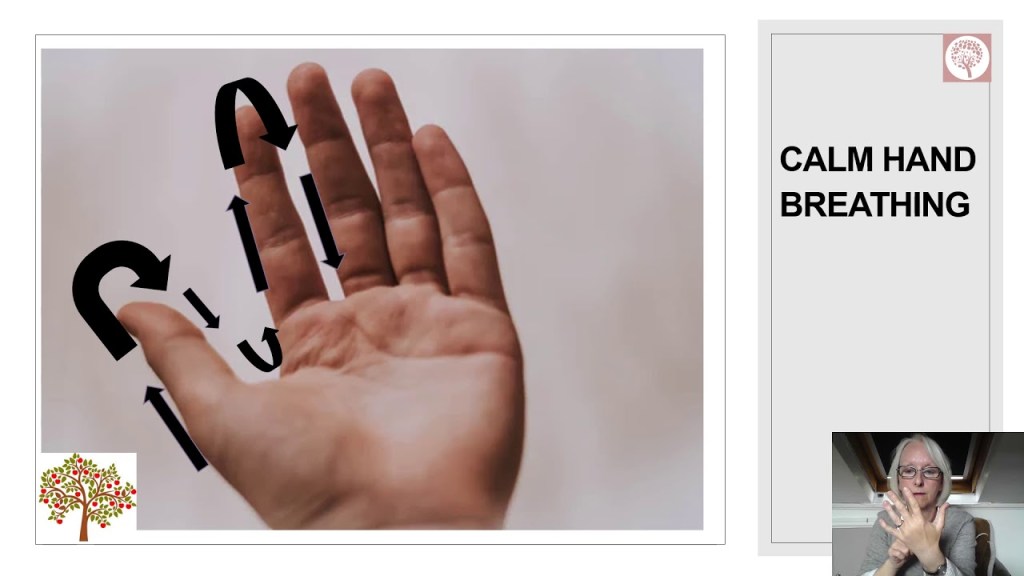
Incorporating mindfulness practices into self-paced education is another innovative approach that can benefit students in alternative schooling settings. Mindfulness techniques such as deep breathing exercises, meditation, and body scans can help learners enhance their focus, reduce stress levels, and improve overall well-being.
Dr. Johnson highlighted the importance of incorporating mindfulness practices into self-paced education: “Mindfulness not only cultivates cognitive skills but also enhances emotional intelligence. By teaching students how to be present in the moment and regulate their emotions effectively, we empower them to navigate challenges with resilience.”
Balancing screen time with hands-on activities is a key consideration when designing curriculum for alternative schooling programs. While digital resources offer flexibility and accessibility in self-paced learning environments, it’s essential to incorporate hands-on experiences like experiments, art projects, or outdoor activities to promote holistic development.
Dr. Johnson emphasized the significance of balancing screen time with hands-on activities: “Hands-on experiences stimulate creativity, foster problem-solving skills, and promote physical engagement – all of which are essential components of a well-rounded education.”
Project-based assessments are gaining popularity in self-paced learning as they provide a more authentic way of evaluating student understanding and mastery of concepts. Through project-based assessments, students have the opportunity to showcase their knowledge through real-world applications such as creating presentations, conducting research studies or developing prototypes.
According to Dr. Johnson,” Project-based assessments encourage autonomy and creativity while allowing educators to assess student performance beyond traditional tests or exams.”
Social isolation can be a challenge for students engaged in self-paced programs; hence strategies must be implemented to address this issue proactively within alternative schooling environments.Dr.Johnson suggested,”Creating virtual study groups,social events,and peer mentoring programs can help foster connections among learners.The sense of community that emerges from these initiatives helps combat social isolation while promoting collaboration among peers.”
Self-regulation skills are vital for success in alternative education settings where students have greater control over their pace and path.Without strong self-regulation abilities,it becomes challenging for learners tomaintain focus,set goals,and manage time effectively.Dr.Johnson explained,”Educators should teach metacognitive strategies,self-monitoring techniques,and goal-setting methods,to support students indevelopingself-regulation skillswithinself- pacedlearningenvironments.”
 Alternative Amie
Leave a comment