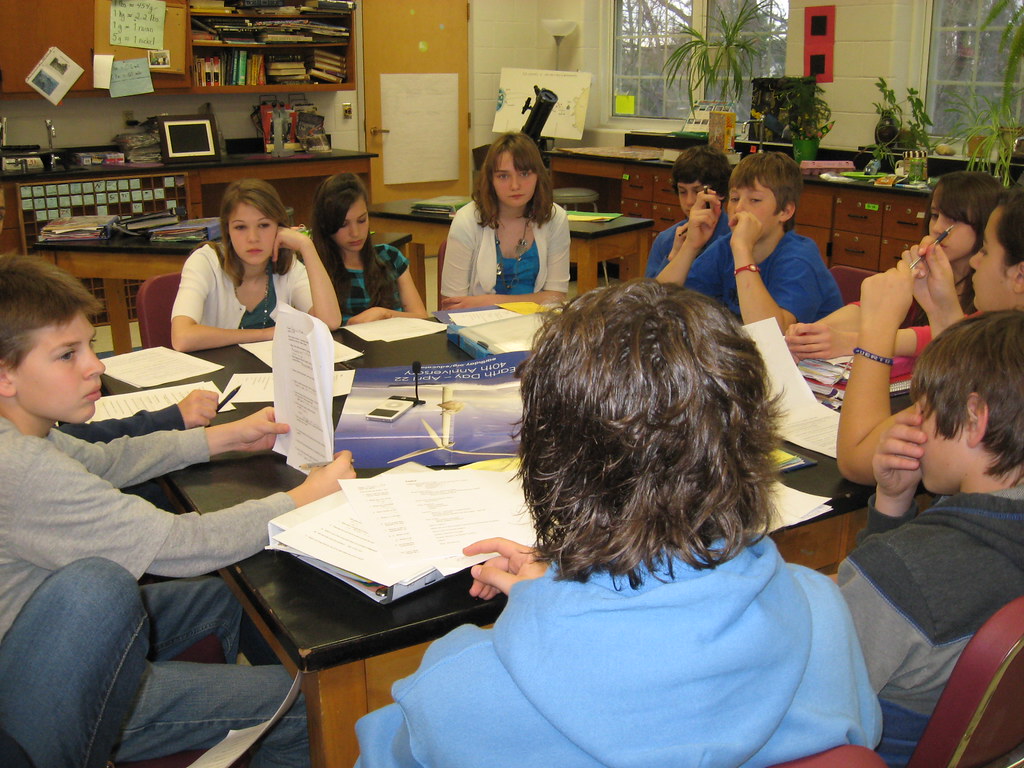
Student-led discussions and debates are powerful tools in alternative education settings for fostering critical thinking, communication skills, collaboration, and empathy among students. When implemented effectively, these activities can create a dynamic learning environment where students take ownership of their learning and engage actively with the material.
To begin implementing student-led discussions and debates in the classroom, it is essential to establish clear guidelines and expectations. Students should understand the purpose of these activities, which is to encourage them to analyze information critically, express their thoughts clearly and respectfully, listen actively to others’ perspectives, and develop persuasive arguments based on evidence. Providing students with rubrics or criteria for assessment can help them understand what is expected of them during discussions and debates.
It’s important to create a safe space where all students feel comfortable expressing their opinions without fear of judgment or ridicule. Encourage an open dialogue by setting ground rules such as active listening, speaking one at a time, respecting others’ viewpoints, and avoiding personal attacks. Teachers can also model effective communication techniques by actively participating in discussions themselves.
Before diving into discussions or debates on complex topics, provide students with background information or resources to ensure that they have a solid understanding of the subject matter. Encourage them to conduct research independently or in groups so they can bring diverse perspectives to the table.
During student-led discussions, teachers should act as facilitators rather than leaders. Allow students to drive the conversation while stepping in when necessary to redirect or clarify points. Encourage quieter students to participate by asking open-ended questions or assigning specific roles (such as timekeeper or note-taker) within the group.
Debates offer another valuable opportunity for students to hone their critical thinking skills while practicing respectful argumentation. Divide students into teams with assigned positions (pro/con) on a given topic and allow them time to prepare arguments supported by evidence. During the debate itself, encourage teams to rebut each other’s points constructively rather than resorting to personal attacks.
After each discussion or debate session, take time for reflection. Ask students what they learned from the activity, how they could improve their performance next time, and what new insights they gained from hearing different perspectives.
By incorporating student-led discussions and debates into alternative education settings thoughtfully and consistently, educators can empower learners to become confident communicators who are capable of engaging thoughtfully with diverse ideas – essential skills that will serve them well both academically and personally throughout their lives.
 Alternative Amie
Leave a comment