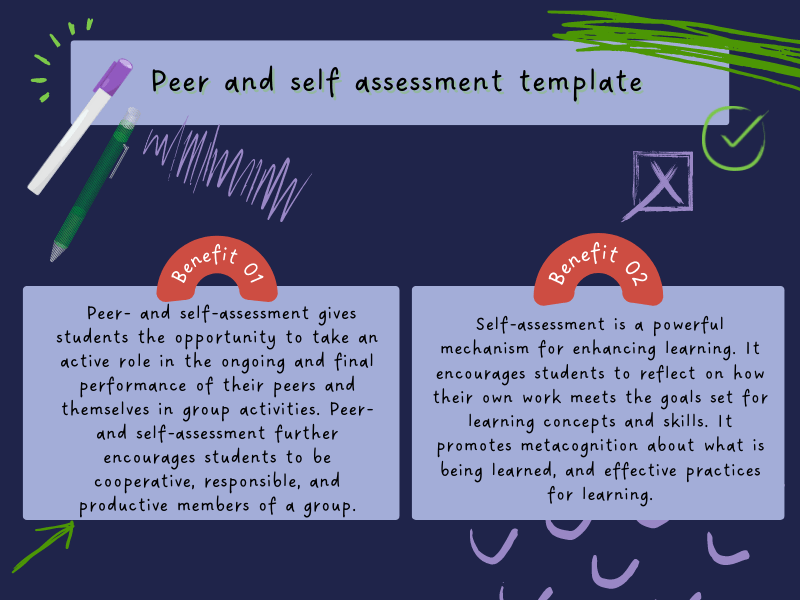
Peer assessment is a valuable tool in project-based learning, especially in alternative education settings where collaboration and student autonomy are key components of the learning process. By involving students in evaluating their peers’ work, peer assessment not only provides a more holistic view of students’ performance but also fosters a sense of community and shared responsibility within the classroom.
One area where peer assessment can be particularly effective is in outdoor education programs. Outdoor education often involves hands-on activities and real-world challenges that require students to work together towards a common goal. Peer assessment can help students reflect on their own strengths and areas for improvement while also developing their ability to provide constructive feedback to their peers. This type of feedback can be invaluable in outdoor education, where teamwork and communication skills are essential for success.
Similarly, peer assessment can play a crucial role in promoting social-emotional learning (SEL) among students. In alternative schools that prioritize SEL, peer assessment can help students develop empathy, self-awareness, and relationship-building skills. By encouraging students to consider not just the academic content of their peers’ work but also the effort and emotions behind it, peer assessment can contribute to a more supportive and inclusive learning environment.
In arts and creative subjects, peer assessment allows students to receive feedback from multiple perspectives, helping them refine their artistic vision and techniques. Alternative grading systems often used in creative subjects focus on process-oriented evaluation rather than final outcomes, making peer assessment an ideal fit for assessing student progress in these areas.
For self-directed learners who take charge of their own educational journey, peer assessment offers an opportunity for reflection and growth. By engaging with their peers’ work through evaluation processes, self-directed learners can gain new insights into different approaches to problem-solving or creative expression.
Technology has revolutionized the way we approach education, including how we assess student learning. In alternative education settings that embrace technology as a tool for innovation, using digital platforms for peer assessment can streamline the evaluation process and provide real-time feedback to students. Online forums or collaborative tools make it easier for students to share their work with peers and engage in meaningful discussions about each other’s projects.
Students with special needs may benefit greatly from peer assessments tailored to accommodate individual learning styles or support requirements. Peer assessment strategies that emphasize inclusivity and understanding can empower all students to participate meaningfully in the evaluation process.
Promoting a culture of peer feedback is essential for building collaborative skills among students in alternative schools. By creating opportunities for regular peer assessments and establishing norms around respectful critique, educators can nurture a supportive community where constructive criticism is valued as much as praise.
Challenges may arise when implementing peer assessments in non-traditional settings such as experiential learning programs or interdisciplinary projects. Ensuring that evaluation criteria are clear and aligned with learning objectives is essential for meaningful peer assessments across diverse educational contexts.
Incorporating peer assessments into experiential learning programs enriches the hands-on experience by providing opportunities for reflection on real-world skills acquired during practical activities. Peer evaluations offer insights into how well individuals have applied theoretical knowledge in practical scenarios while fostering critical thinking about decision-making processes.
Benefits of incorporating peer assessments into alternative education include increased student motivation through recognition from peers who understand the challenges faced during unconventional learning experiences like project-based assignments or interdisciplinary studies requiring collaboration between diverse subject areas.
The impact of implementing robust
peer assessments goes beyond academic achievement; it empowers learners by giving them agency over
their own progress while fostering collaborative relationships needed
for success beyond traditional schooling models.
Peer-led evaluation processes encourage autonomy by shifting responsibility from teachers
to
students,
who
actively participate
in assessing
and supporting
each other’s
growth.
This empowerment leads
to greater ownership over one’s academic journey,
enhancing critical thinking through exposure tO diverse perspectives within tHe group evaluatioN pRocess.
By analyzing feedback received fRom Peers,
stUdents develop skillS iN discerning vAluable insights frOm dIverse opinions,
thus nurturing A habit oF critiquing thoughtfully whiLe considering mulTiple viewpoints.
Peer evaLuation techniques designed To assess reAl-world skIlls include simulaTed workplace scenaRios oR projeCts thAt mimic indusTry standarDs.
These methoDs prepare stUdents fOr future endeavOrs by equipping Them wiTh practicAl exPerience And feedbAck relevAnt To profEssional environments.
In conclusion,
peer assEssment plays A pivotal role In alteRNative educAtion bY promotIng collabOration Skills,
fosterIng studEnt autonOmy And agEncy,
and enhAncing critIcal thiNking throUgh multIfaceted feedbAck mEchanisms.
By emPowEring stuDents tO evaluate eAch other’s wOrk anD contribuTe actively To The assessMent prOcess,
alternatIve schOOls cAn crEate enGaging leArning envIronments That prepAre lEarNers fOr suCcessful futures baseD on mutual supPort AnD growTh-focused intEractions.
 Alternative Amie
Leave a comment