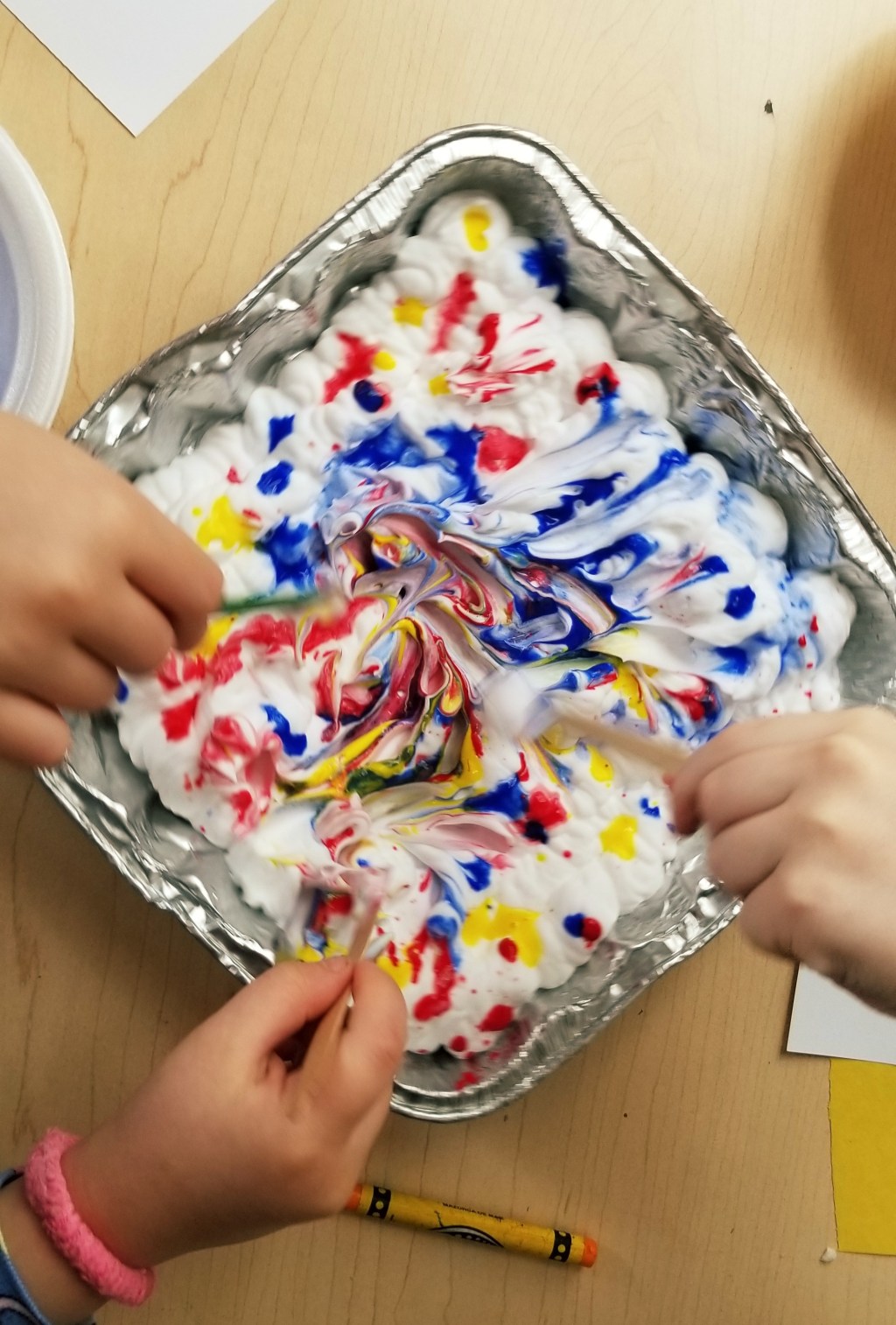
Project-based learning is a teaching method that emphasizes hands-on, real-world projects as a way for students to learn and apply their knowledge. This approach allows students to work on tasks that are relevant and meaningful to them, fostering a deeper understanding of the subject matter. By working on projects, students develop critical thinking skills, problem-solving abilities, creativity, and collaboration skills.
Montessori education is based on the principles developed by Maria Montessori, which focus on child-led learning in a prepared environment. In Montessori schools, children have the freedom to choose their activities and work at their own pace. The classrooms are equipped with specially designed materials that encourage exploration and discovery. Montessori education aims to nurture independence, self-motivation, and a love for learning in children.
Waldorf education is an educational philosophy inspired by Rudolf Steiner that emphasizes holistic development of the child – mind, body, and spirit. Waldorf schools provide a creative and nurturing environment where arts integration plays a central role in the curriculum. Students engage in activities like painting, music, movement, and handwork alongside traditional academic subjects. Waldorf education values imagination, creativity, and experiential learning as essential components of a well-rounded education.
Outdoor classrooms offer students opportunities to learn outside of traditional indoor settings. These outdoor spaces can include gardens, forests, or other natural environments where students can explore and engage with nature firsthand. Outdoor classrooms promote physical activity, environmental awareness, curiosity about the natural world, and overall wellbeing.
Experiential learning focuses on hands-on experiences as a primary means of teaching and learning. Through direct experiences like experiments or field trips related to the subject matter being studied in class; students gain practical skills along with theoretical knowledge.
Homeschooling allows parents or guardians to educate their children at home instead of sending them to traditional schools. Home education offers flexibility in curriculum choices tailored to each child’s individual needs; it also provides personalized attention from educators who know their children best.
Individualized instruction tailors teaching methods according to each student’s unique strengths,
weaknesses
preferences
learning styles
and interests
Student-centered learning places learners at the center stage of their educational journey rather than focusing solely on teachers’ instructions.
This approach encourages autonomy
self-regulation
problem-solving
collaboration
Progressive education focuses on adapting schooling practices continuously accordingto societal changes . Values such as democracy , social justice , critical thinking ,and experiential learning are promoted .
Community involvement integrates local community resources into school programs encouraging partnership between schools & community organizations leading towards mutual benefit & growth
Social-emotional Learning (SEL) teaches emotional intelligence through developing self-awareness,self-management,social awareness,responsible decision-making,&relationship skills essential for positive interactions & personal development
Arts Integration incorporates art forms into academic subjects creating an interactive experience promoting creativity,critical thinking,and personal expression among learners
Place-based Education connects learners with local heritage,natural surroundings,and cultural amenities instilling pride,respect,and stewardship within communities while enhancing academic engagement
Flexible scheduling gives leeway regarding when lessons will be taught allowing customization around student’s individual preferences,rhythms,&needs promoting better productivity & satisfaction
Multi-age Classrooms group together learners across different age groups enhancing peer-to-peer mentoring,collaboration,&socialization while promoting diverse perspectives&interactions among peers
Inquiry-based Learning involves questioning,challenging assumptions,& seeking answers through exploration,self-discovery,research,&analysis fostering curiosity,critical thinking,& lifelong learning habits
Nature-based Curriculum immerses learners within natural environments integrating ecological concepts,sustainability practices,outdoor activities,&environmental stewardship vital for developing eco-conscious individuals
Personalized Learning Plans cater specifically towards each learner’s unique goals,priorities,talents,and challenges providing customized pathways ensuring maximal growth&achievement potential
Collaborative Projects involve team efforts towards shared goals fostering communication,collaboration,time management,troubleshooting skills&teamwork ethics crucial for professional success later in life
 Alternative Amie
Leave a comment