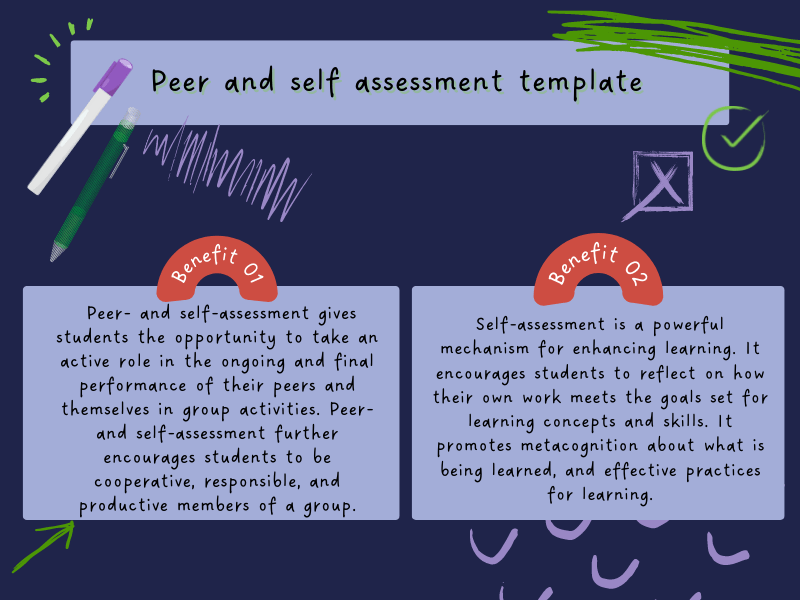
Peer assessment challenges in collaborative learning can arise due to various factors such as unequal participation, varying skill levels, or personal biases. Teachers need to establish clear guidelines and criteria for peer assessments to ensure fairness and accuracy. Incorporating technology in collaborative learning can enhance communication and productivity among students. Platforms like Google Docs or Slack enable real-time collaboration, while tools like Padlet or Trello facilitate project organization.
Balancing individual work with group projects is crucial for developing both independent thinking skills and teamwork abilities. Teachers should assign tasks that require a combination of solo effort and group coordination to promote holistic learning experiences. Addressing cultural differences within groups involves fostering open dialogue and mutual respect among students from diverse backgrounds. Encouraging empathy and understanding can help bridge any potential divides that may arise.
Overcoming language barriers in collaborative settings requires patience and creativity. Utilizing translation tools or incorporating visual aids can aid comprehension for non-native speakers. Implementing collaborative learning in non-traditional classroom spaces, such as outdoor environments or maker spaces, offers unique opportunities for hands-on experiential learning.
Dealing with unequal participation within groups necessitates active monitoring by teachers to ensure everyone contributes equitably. Establishing group norms around accountability and encouraging inclusive discussions can help address this issue effectively. Assessing the effectiveness of collaborative learning methods involves collecting feedback from students on their experiences and outcomes.
Encouraging introverted students to participate in group activities entails creating safe spaces where they feel valued and respected for their contributions. Providing alternative means of participation, such as written responses or small group interactions, can cater to different comfort levels.
Managing conflicts within collaborative groups requires strong communication skills and conflict resolution strategies from both teachers and students alike. Encouraging open dialogue, active listening, and compromise are key aspects of resolving disputes constructively.
Exploring the impact of social media on collaborative learning reveals how platforms like Facebook or Twitter can foster virtual collaboration beyond traditional classroom boundaries. Integrating outdoor activities into collaborative learning promotes physical engagement while supporting cognitive development through hands-on experiences.
Supporting students with disabilities in collaborative projects demands thoughtful accommodations tailored to individual needs while promoting inclusivity within the group dynamic. Examining the role of teacher facilitation underscores the importance of guiding student interactions towards productive outcomes by providing structure, guidance, and support throughout the collaboration process.
 Alternative Amie
Leave a comment