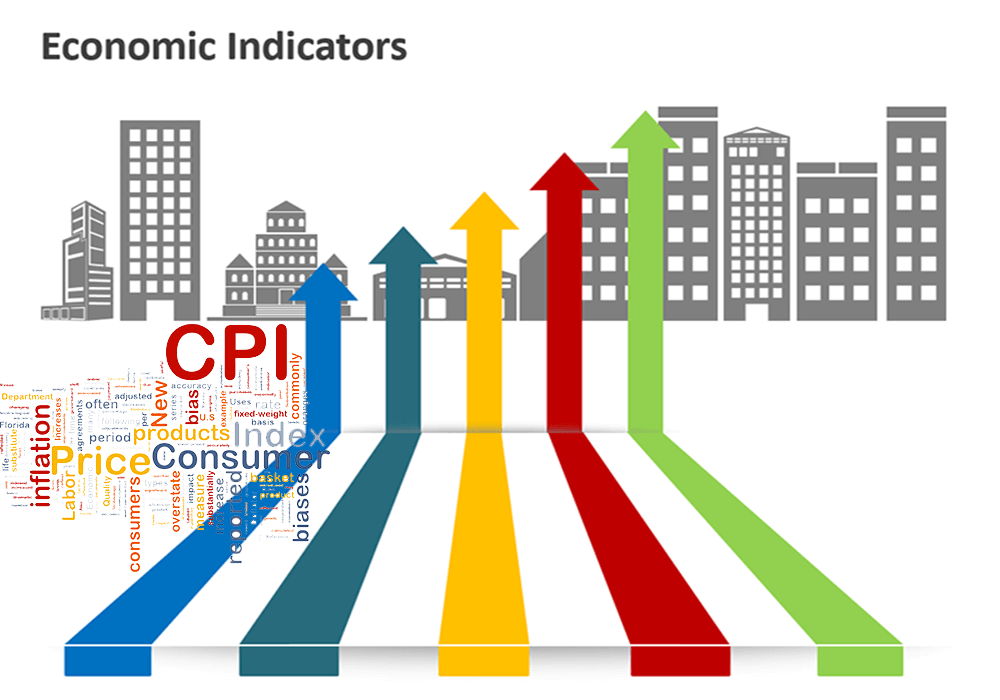
Economic indicators are key data points that provide insights into the health and performance of an economy. They help policymakers, businesses, investors, and individuals make informed decisions by tracking trends and predicting future economic conditions. Understanding these indicators is crucial for navigating the complex world of finance and economics.
There are three main categories of economic indicators: leading, lagging, and coincident indicators. Leading indicators provide early signals about the direction of the economy and can help forecast future trends. Some examples of leading indicators include stock market performance, building permits, consumer confidence surveys, and average weekly jobless claims. These indicators are considered predictive because they tend to change before the economy as a whole changes.
Lagging indicators, on the other hand, confirm long-term trends in an economy after they have already occurred. Examples of lagging indicators include unemployment rate, inflation rate, corporate profits, and labor costs. Lagging indicators are useful for confirming whether a particular trend or pattern is sustainable over time.
Coincident indicators move in conjunction with the overall economy and provide real-time information about current economic conditions. Examples of coincident indicators include industrial production levels, retail sales figures, personal income levels, and GDP growth rates. These indicators give a snapshot of where the economy currently stands.
One widely followed set of economic indicators in the United States is published by the Bureau of Economic Analysis (BEA) under the U.S. Department of Commerce. The BEA releases reports on Gross Domestic Product (GDP), Personal Income & Outlays (including consumer spending), Durable Goods Orders (a measure of business investment), Employment Situation (unemployment rate), Consumer Price Index (inflation), Retail Sales figures among others.
Understanding economic data requires more than just knowing what each indicator measures; it also involves interpreting how different factors interact with each other to paint a comprehensive picture of an economy’s health. For example:
– Unemployment Rate: A low unemployment rate may seem positive at first glance but could also indicate that wages might rise due to labor shortages.
– Inflation Rate: Low inflation rates signal stable prices which can be good for consumers but might also indicate weak demand in an economy.
– Manufacturing Output: An increase in manufacturing output may suggest strong economic growth but could also lead to concerns about environmental impact or sustainability issues.
– Consumer Spending: Rising consumer spending can boost economic activity but may also lead to increased debt levels if not managed carefully.
In addition to government agencies like BEA mentioned earlier that release official reports on economic data regularly there are many private research firms such as Moody’s Analytics or IHS Markit that analyze this data further providing additional insight into specific sectors or industries within an economy.
For students interested in learning more about interpreting economic data there are various online resources available including free courses offered by organizations like Khan Academy or Coursera which cover topics ranging from basic macroeconomic principles to advanced statistical analysis techniques used in econometrics.
By understanding how different economic indicators work together students can gain valuable skills that will help them make informed decisions both personally as well as professionally throughout their lives – whether it’s deciding when to invest money into stocks bonds real estate etc., planning for retirement managing household budgets or even starting their own businesses one day!
Overall understanding Economic Indicators is important for anyone looking to better understand how economies function grow evolve over time what factors influence those changes – so they can better plan adapt adjust accordingly based upon available information!
 Alternative Amie
Leave a comment