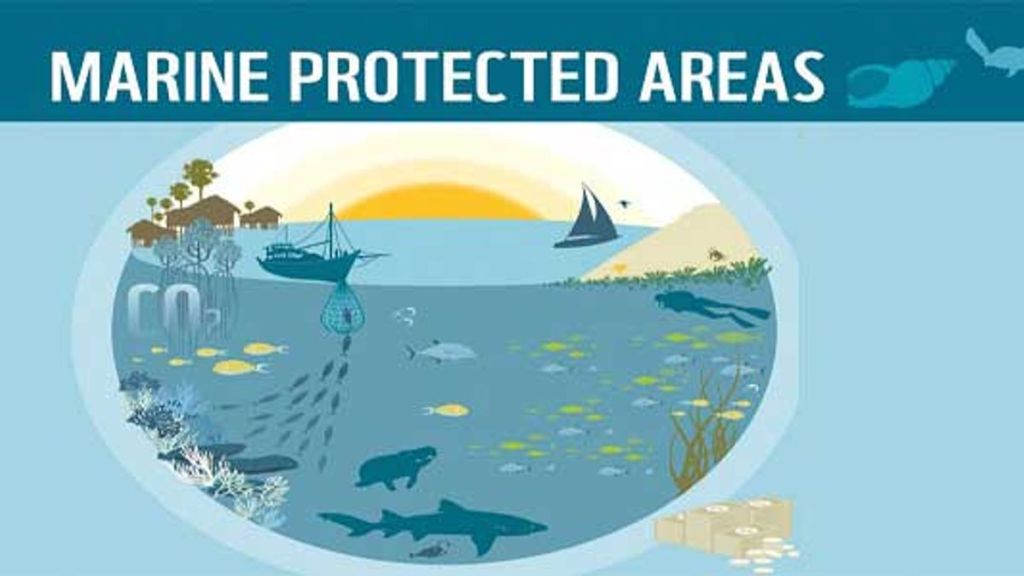
Environmental conservation projects in coastal areas play a crucial role in protecting marine ecosystems, preserving biodiversity, and addressing the impacts of climate change. These projects are essential to ensure the sustainability of our oceans and promote a healthy environment for both marine life and humans. In recent years, there has been an increasing focus on implementing innovative conservation initiatives in coastal regions around the world.
One prominent example of such projects is the establishment of marine protected areas (MPAs). MPAs are designated areas where human activities such as fishing and tourism are restricted or regulated to conserve marine resources and habitats. These areas serve as sanctuaries for a wide range of species, including endangered ones, helping to maintain biodiversity and restore degraded ecosystems. By safeguarding key habitats like coral reefs, seagrass beds, and mangroves, MPAs contribute significantly to the overall health of coastal environments.
Another effective strategy for environmental conservation in coastal areas is the restoration of critical habitats. Coastal ecosystems like mangrove forests provide valuable services such as shoreline protection, carbon sequestration, and nurseries for fish species. However, these habitats are increasingly threatened by urban development, pollution, and climate change impacts. Restoration projects aim to replant mangroves, restore degraded wetlands, and enhance habitat connectivity to support healthy ecosystem functioning.
In addition to habitat restoration efforts, community-based conservation initiatives have also gained traction in coastal regions worldwide. Engaging local communities in conservation activities not only fosters stewardship but also ensures that management strategies align with local needs and priorities. Community-led programs often involve sustainable resource management practices, eco-tourism ventures that benefit local economies while promoting environmental awareness among residents.
Technology plays a significant role in advancing environmental conservation efforts in coastal areas as well. Remote sensing tools help monitor changes in coastline dynamics and detect illegal fishing activities through satellite imagery analysis. Drones equipped with cameras can survey hard-to-reach or sensitive habitats without disturbing wildlife or ecosystems directly. Furthermore, data collected from these technologies inform decision-making processes for policymakers and conservation practitioners.
Education also plays a vital role in promoting environmental awareness and fostering a culture of sustainability among future generations living near coastal areas. Alternative schooling programs focused on marine ecology or environmental science provide students with hands-on learning experiences that connect them with their natural surroundings. Field trips to MPAs or participation in beach clean-up campaigns instill values of responsibility towards protecting the environment from an early age.
In conclusion…
 Alternative Amie
Leave a comment