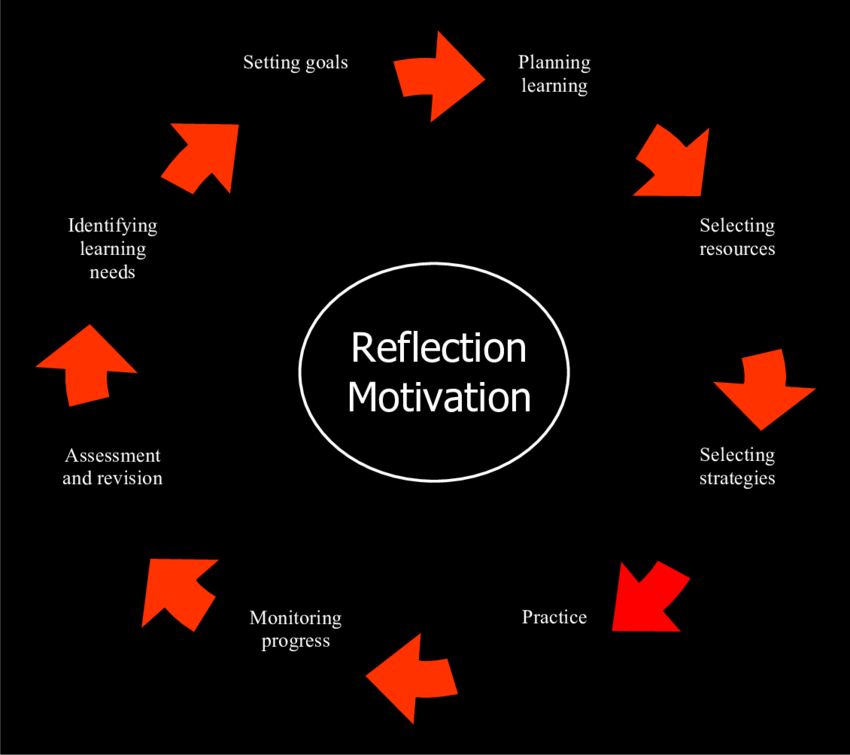
Self-directed learning is a powerful educational approach that allows individuals to take control of their own learning journey, pursuing knowledge and skills based on their interests, goals, and preferred methods of learning. This form of education empowers learners to be proactive, curious, and independent in their pursuit of knowledge and personal growth.
In traditional education systems, students often follow a set curriculum dictated by teachers or institutions. While this structure can provide a solid foundation in core subjects, it may not always cater to the diverse needs and interests of individual learners. Self-directed learning offers an alternative approach that puts the learner at the center of the educational experience.
One of the key principles of self-directed learning is autonomy. Learners have the freedom to choose what they want to learn, how they want to learn it, and at what pace. This level of independence fosters a sense of ownership over one’s education and encourages intrinsic motivation. When individuals are motivated by their own curiosity and desire for mastery rather than external rewards or pressures, they are more likely to engage deeply with the material and persist through challenges.
Another important aspect of self-directed learning is personalized learning pathways. Each individual has unique strengths, preferences, and learning styles that influence how they best acquire new knowledge and skills. By allowing learners to tailor their educational experiences to suit their specific needs, self-directed learning promotes greater retention and understanding of the material.
Self-directed learners also develop essential skills such as critical thinking, problem-solving, time management, and self-regulation. As they navigate their own learning journeys independently, they must make decisions about what resources to use, how to organize their time effectively, and how to overcome obstacles that arise along the way. These skills are valuable not only in academic pursuits but also in professional settings and everyday life.
Technology plays a significant role in facilitating self-directed learning by providing access to vast amounts of information and resources online. Learners can explore diverse topics through websites, online courses, videos, podcasts, e-books, forums, social media platforms – all from the comfort of their own homes or wherever they choose to study. The internet has democratized access to knowledge like never before; anyone with an internet connection can embark on a self-directed learning journey regardless of geographical location or financial means.
In addition to online resources, communities play a crucial role in supporting self-directed learners. Whether through local meetups or virtual forums dedicated to specific topics or areas of interest (such as coding clubs or language exchange groups), connecting with like-minded individuals provides opportunities for collaboration sharing ideas , feedback support . Peer-to-peer interactions can enhance one’s understanding deepen engagement with subject matter by offering different perspectives challenging assumptions sparking creativity innovation .
Mentorship is another valuable component , particularly for those embarking on complex subjects where guidance from someone experienced knowledgeable field invaluable . Mentors offer insights advice expertise help mentees navigate challenges stay motivated accountable towards achieving goals . Their guidance encouragement can accelerate progress foster deeper understanding appreciation subject matter than might be achieved alone .
While there are many benefits associated with self-directing
learning journey
It’s important recognize challenges may arise well especially when first starting out adjusting traditional model formal schooling . Some individuals struggle uncertainty lack structure accountability managing time effectively without clear deadlines external expectations place them Others feel overwhelmed sheer volume options available online unsure where begin which sources trust verify information credibility validity Still others face internal barriers such as fear failure perfectionism imposter syndrome feelings inadequacy comparison peers These obstacles normal part process require patience persistence practice overcome
To address these challenges cultivate successful practice Establishing clear goals priorities helps maintain focus direction amidst distractions choices prioritize tasks efficiently avoid getting sidetracked less relevant materials Knowing why you’re pursuing particular area interest what hope achieve helps clarify purpose motivates keep going even faced difficulties setbacks
Creating structured plan schedule allocating dedicated time each day week study practice review vital consistent progress Also setting milestones celebrate achievements mark milestones reached provides sense accomplishment momentum moving forward long-term projects break smaller manageable tasks reduce overwhelm maintain momentum
Developing strong organization habits effective note-taking practices ensures able retain recall information efficiently Reviewing notes regularly reinforces concepts learned connects dots within across subjects Disciplined routine regular breaks physical activity relaxation rejuvenation essential renew energy sustain attention engagement prolonged periods focused work
Seeking feedback mentors peers instructors enables gather diverse perspectives improve performance identify blind spots refine understanding Keep open mind receptive constructive criticism suggestions improvement continually seek ways expand grow both personally professionally Joining study groups participating workshops seminars conferences connect experts enthusiasts gain fresh insights network potential collaborators inspiration
Engaging reflective practices journaling meditation mindfulness exercises aids processing consolidating thoughts emotions experiences gained reflecting upon lessons learned identifying patterns areas improvement enhances metacognitive awareness ability monitor regulate cognitive processes leads higher levels introspection clarity decision-making
Embracing experimentation exploration trying new approaches techniques subjects broaden horizons stretch comfort zones stimulate creativity curiosity Innovation often born willingness step unknown take risks fail forward experiment iterate until find works best Experimentation fosters adaptability resilience flexibility essential thriving fast-paced ever-changing world
Ultimately success lies commitment dedication persistence consistently showing every day even faced setbacks failures obstacles Remember growth ongoing process requires patience resilience mindset embracing continuous evolution adaptation face uncertainties complexities future confident abilities capacity learn grow adapt changing circumstances environments Self-direction empowering liberating rewarding path worth embarking upon those seeking realize full potential pursue passions dreams aspirations wholeheartedly
 Alternative Amie
Leave a comment