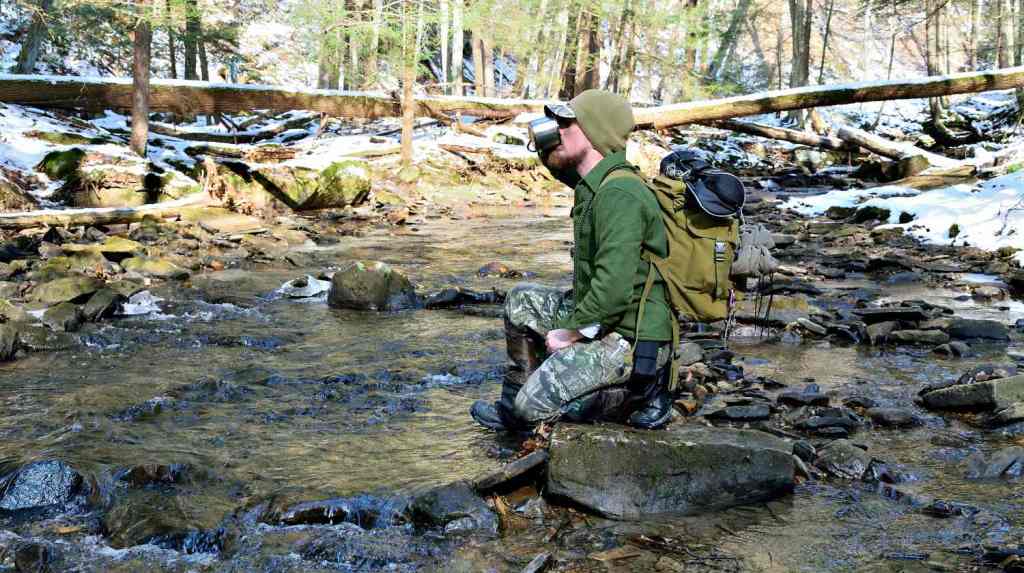
1. Wilderness survival skills training is an essential aspect of education that equips individuals with the knowledge and abilities to navigate and survive in natural environments. While traditional schooling focuses on academic subjects, alternative education programs often prioritize practical life skills such as wilderness survival. These programs offer hands-on experiences that cultivate self-reliance, critical thinking, and problem-solving abilities.
2. One key skill taught in wilderness survival training is fire-making. Being able to start a fire can provide warmth, light, and a means to cook food in outdoor settings. Students learn various methods such as using a flint striker or friction-based techniques like bow drill or hand drill. Understanding the principles of fire-building not only ensures comfort in the wild but also instills confidence and resourcefulness.
3. Shelter building is another crucial skill emphasized in wilderness survival training. Knowing how to construct temporary shelters using natural materials can protect individuals from the elements and wildlife. From simple lean-tos to more elaborate debris huts, students learn different shelter designs based on their environment and available resources. This hands-on experience fosters creativity and adaptability while fostering an appreciation for nature’s offerings.
4. Navigation skills are fundamental for surviving in the wilderness without getting lost. Alternative education programs teach students how to read maps, use compasses, identify landmarks, and track time/distance traveled accurately. By understanding basic orienteering principles, individuals can confidently explore unfamiliar terrain while maintaining their bearings.
5. Water procurement is a vital aspect of wilderness survival that students are trained in during these programs. Learning how to find, collect, purify water from natural sources like streams or lakes is essential for sustaining life outdoors. Techniques such as building solar stills or constructing improvised filtration systems equip individuals with the knowledge needed to stay hydrated safely.
6 . Food foraging is another valuable skill taught during wilderness survival training courses where students learn about edible plants found in nature as well as safe hunting practices if applicable within local regulations.Not only does this foster a deeper connection with the environment but it also provides sustenance when resources are scarce.
7 . First aid training forms an integral part of any comprehensive wilderness survival program.Students are educated on basic medical procedures such as treating wounds,insect bites,and other outdoor-related injuries.This knowledge empowers individuals to address health emergencies promptly until professional help arrives,making them more capable of handling unforeseen situations effectively.
8 . Overall,wilderness survival skills training offered through alternative education programs goes beyond theoretical learning by providing hands-on experiences that build resilience,self-sufficiency,and adaptability.These practical skills not only prepare individuals for outdoor adventures but also promote environmental stewardship,respect for nature,and a deeper understanding of our interconnectedness with the natural world.Enrolling in such courses can be transformative,enabling learners to develop invaluable lifelong abilities while fostering a sense of empowerment amidst challenging circumstances.
 Alternative Amie
Leave a comment