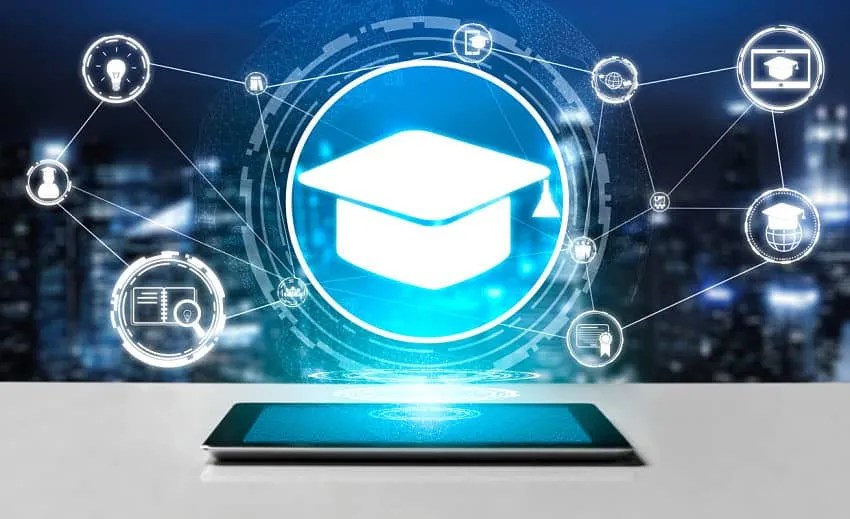
Technology has become an integral part of our lives, shaping the way we learn, communicate, work, and navigate the world around us. As someone who has experienced both traditional schooling and alternative education methods, I have witnessed firsthand the impact that technology can have on learning and personal growth.
Growing up in a traditional school setting, technology was limited to textbooks, overhead projectors, and occasional computer lab sessions. The internet was still in its infancy, and smartphones were yet to be invented. Our access to information was restricted to what was available in our school libraries or what our teachers could provide us with.
Despite these limitations, there was a certain charm in the simplicity of learning without constant distractions from screens and notifications. We relied on books for research, engaged in lively discussions with classmates, and developed critical thinking skills through face-to-face interactions with teachers.
However, as I transitioned into alternative schooling methods that embraced technology more readily, I began to see the immense benefits it offered in terms of expanding educational opportunities and enhancing creativity. Online courses allowed me to explore subjects outside of the traditional curriculum at my own pace. Educational websites provided interactive resources that made learning engaging and fun.
One particular aspect of technology that had a profound impact on my education was virtual reality (VR). Through VR simulations, I was able to immerse myself in historical events, scientific phenomena, and cultural experiences like never before. It brought learning to life in a way that textbooks simply couldn’t match.
Another significant advancement that transformed my educational experience was artificial intelligence (AI). AI-powered platforms tailored learning materials to suit individual strengths and weaknesses, providing personalized feedback and recommendations for improvement. This adaptive approach not only boosted my academic performance but also instilled a sense of confidence in my abilities.
Moreover,
technology enabled me to connect with experts
and peers from around the world through online forums,
webinars,
and collaborative projects. These global connections broadened my perspectives,
exposed me
to diverse ideas,
and fostered
a sense of community among learners who shared similar interests
and passions.
Despite all these advancements,
I recognize
that technology is not without its challenges when it comes to education.
The proliferation of smartphones
and social media platforms has led
to increased distractions among students,
impacting their ability
to focus during class
or while studying.
Additionally,
the digital divide continues
to be a pressing issue,
with disparities
in access
to high-speed internet
and digital devices disproportionately affecting marginalized communities.
As we move forward,
it’s crucial
for educators
and policymakers
to address these inequities
while harnessing
the power
of technology
for positive educational outcomes.
In conclusion,
technology has revolutionized
the way we learn
and engage with information.
Its integration into alternative schooling methods
has opened up new possibilities
for personalized learning,
collaboration,
creativity,
and global connection.
By embracing technological advancements
while being mindful
of its potential drawbacks,
we can create an inclusive
educational environment
that equips students
with the skills
they need
for success
in an increasingly digital world.
 Alternative Amie
Leave a comment