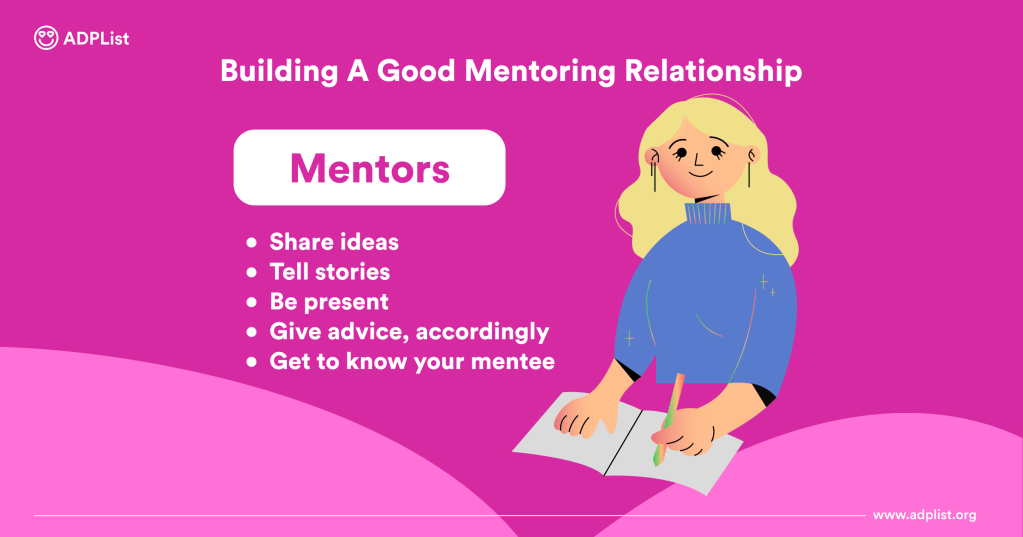
Peer mentoring is a valuable tool that can provide support and guidance to students facing various challenges in their education journey. In alternative schooling and education settings, peer mentoring programs play a crucial role in creating a supportive environment for students with diverse needs. Let’s explore how peer mentoring can benefit different groups of students in these unique educational settings.
Students with learning disabilities often face additional hurdles in traditional educational environments. Peer mentoring programs tailored to support these students can offer personalized assistance, strategies for academic success, and emotional encouragement from peers who understand their struggles. By pairing them with mentors who have successfully navigated similar challenges, students with learning disabilities can feel empowered and motivated to achieve their goals.
At-risk youth may also find solace and guidance through peer mentoring relationships. Mentors who have overcome adversity themselves can serve as positive role models, offering insight, empathy, and practical advice to help at-risk youth stay on track academically and personally. These relationships foster a sense of belonging and connection that is vital for the well-being of vulnerable students.
In vocational training programs, peer mentoring can enhance the transition from classroom learning to real-world application. Mentors working in the same industry or occupation can share valuable insights, industry knowledge, networking opportunities, and career guidance with mentees preparing for entry into the workforce. This mentorship helps bridge the gap between theoretical training and practical experience, setting up students for success in their chosen fields.
For students transitioning from alternative schooling to traditional education settings, peer mentors can offer support during this critical period of adjustment. Mentors who have made a similar transition themselves can provide reassurance, advice on navigating new systems and expectations, and emotional support as mentees navigate unfamiliar territory.
Students dealing with trauma or adverse childhood experiences may benefit greatly from peer mentorship programs designed to provide understanding companionship and resources for healing. Peers who have faced similar challenges can offer empathy, validation of feelings without judgment; they could also assist in connecting mentees with appropriate mental health services if needed.
LGBTQ+ students attending alternative schools face unique challenges related to identity acceptance; having LGBTQ+ peers as mentors provides a safe space where they feel understood without fear of discrimination or prejudice while receiving relevant guidance tailored to their specific needs within an affirming community setting.
In juvenile detention centers where young people are often isolated from positive influences outside the facility walls;peer mentorship offers hope by providing meaningful connections with supportive individuals willing to listen non-judgmentally; share life experiences that resonate authentically while empowering mentees towards rehabilitation rather than recidivism upon release back into society…
The benefits extend further – immigrant/refugee student populations also gain invaluable cultural integration support through mentorship matching shared backgrounds/language/cultural heritage helping ease adaptation process…
For those managing chronic illnesses/disabilities; finding solidarity amongst peers facing similar health obstacles proves immensely comforting – knowing others comprehend daily struggles fosters mutual encouragement fostering resilience amidst adversity together…
Pregnant/parenting teens juggling academic responsibilities alongside childcare demands require extra understanding/support which fellow teen parents uniquely comprehend making them ideal mentors sharing personal coping mechanisms balancing parenthood/education successfully…
Overall,promoting inclusive environments where all learners receive personalized care irrespective background/challenges aids holistic development nurturing potential growth ensuring no student feels alone on educational journey…
 Alternative Amie
Leave a comment