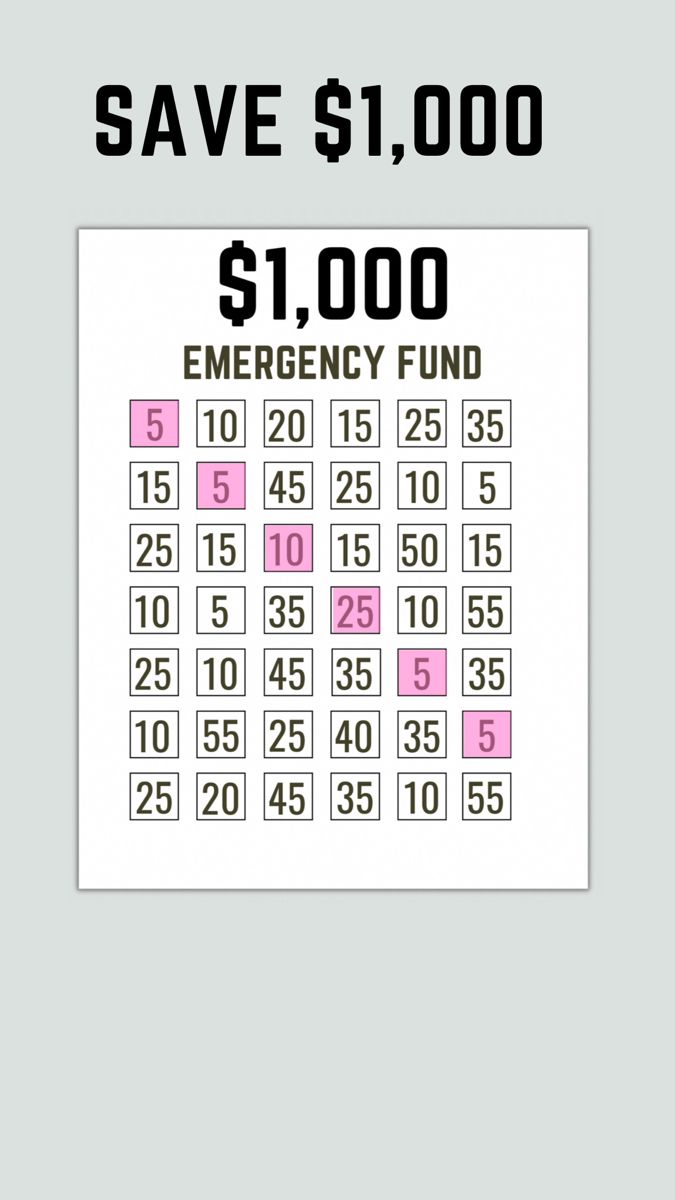
Emergency funds are a crucial aspect of financial planning that often gets overlooked. Whether you’re a student, a parent, or someone pursuing alternative schooling and education, having an emergency fund in place can provide peace of mind and security during unexpected situations. In this article, we will explore the importance of emergency funds and provide you with eight tips on how to build and maintain one effectively.
1. **Understand the Importance of Emergency Funds**
An emergency fund is essentially a savings account set aside specifically for unforeseen expenses such as medical emergencies, car repairs, job loss, or any other unexpected events that may arise. Having an emergency fund allows you to cover these costs without having to dip into your regular savings or rely on credit cards or loans.
2. **Set Clear Financial Goals**
Before you start building your emergency fund, it’s important to assess your financial situation and set clear goals for how much you want to save. Experts recommend having at least three to six months’ worth of living expenses saved up in your emergency fund. However, if you’re a student or have irregular income sources due to alternative schooling and education pursuits, consider saving even more to account for any potential disruptions.
3. **Start Small and Be Consistent**
Building an emergency fund doesn’t have to happen overnight. Start small by setting aside a portion of your income each month towards your fund. Even if it’s just $20 or $50 initially, establishing this habit will help you grow your savings over time. Consistency is key when it comes to building an emergency fund.
4. **Automate Your Savings**
One effective way to ensure consistent saving towards your emergency fund is by automating the process. Set up automatic transfers from your checking account to your designated savings account each month so that you don’t have to think about it consciously.
5. **Cut Unnecessary Expenses**
Identify areas in your budget where you can cut back on unnecessary expenses and redirect those funds towards your emergency fund instead. This could mean reducing dining out, canceling unused subscriptions, or finding more affordable alternatives for everyday purchases.
6. **Consider Alternative Income Sources**
If you’re pursuing alternative schooling and education paths that allow for flexibility in terms of work hours or locations (such as freelancing, tutoring, etc.), consider utilizing these opportunities as additional income sources dedicated solely towards building your emergency fund.
7. **Avoid Temptation**
It can be tempting to dip into your emergency fund for non-urgent expenses like shopping sprees or vacations; however, remember that the purpose of this fund is specifically for emergencies only. Avoid touching it unless absolutely necessary so that it’s there when you truly need it most.
8 .**Regularly Reassess Your Fund**
As life circumstances change – whether through career advancements, lifestyle adjustments due to alternative schooling choices ,or other factors – make sure to regularly reassess and adjust the amount in your emergency fund accordingly. It’s not a static number but rather something that should evolve with changes in finances and priorities.
In conclusion,having an establishedemergencyfund is essentialforfinancialsecurityandpeaceofmind.Thisisanimportantaspectof financialplanningthatshouldnotbeoverlooked.Whetheryouareasinglestudent,parent,pursuingalternativeeducationorcareeroptions,it’snevertooearlyortoolatetostartbuildingyourownemergencyfund.Throughconsistentandsmartfinancialhabits,youcanensurethatyouarepreparedforemergencysituationsandunforeseenevents.Buildinganemergencyfundissimplyaplanforthefuture,andbyfollowingthesetips,youcansuccessfullybuildandmaintainoneforyourself.Beginbyunderstandingtheimportanceofane…
 Alternative Amie
Leave a comment