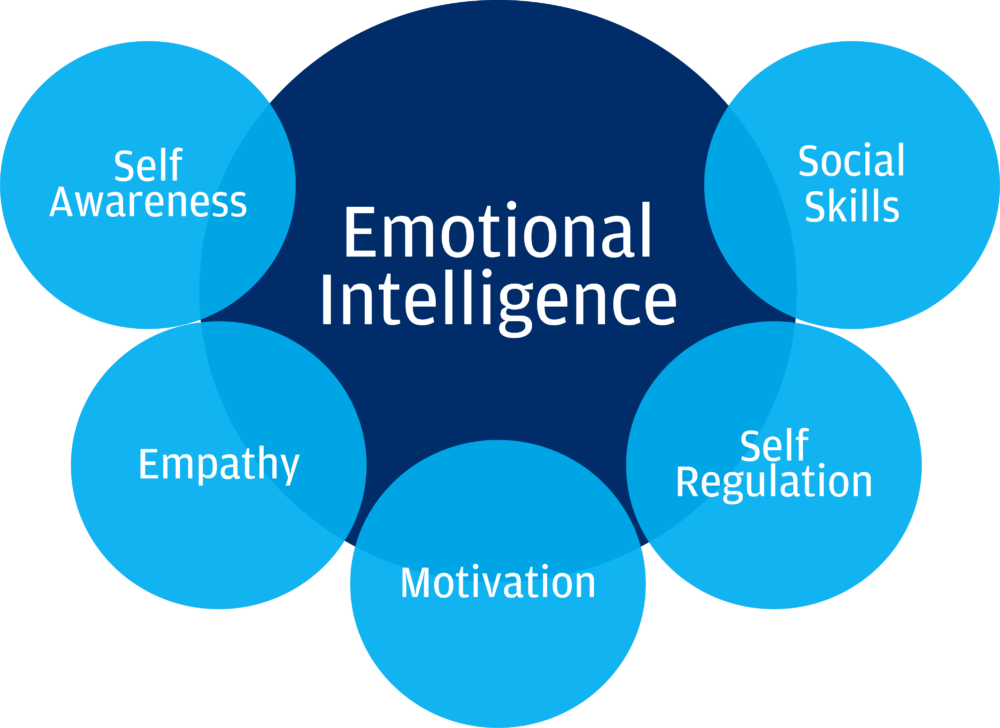
Emotional intelligence, often abbreviated as EQ, is a crucial skill that plays a significant role in determining an individual’s success and overall well-being. Unlike academic intelligence (IQ), which focuses on cognitive abilities and problem-solving skills, emotional intelligence encompasses the ability to understand and manage one’s own emotions, as well as the emotions of others.
Developing emotional intelligence is essential for individuals of all ages, but it holds particular significance for students in alternative schooling environments. Alternative schools often cater to students who may have struggled in traditional educational settings due to various reasons such as learning differences, behavioral challenges, or personal circumstances. These students can greatly benefit from developing their emotional intelligence skills to navigate complex social situations, regulate their emotions effectively, build positive relationships with peers and teachers, and ultimately succeed academically.
One of the key components of emotional intelligence is self-awareness. This involves being able to recognize and understand one’s own emotions, strengths, weaknesses, values, beliefs, and goals. In alternative school settings where students may come from diverse backgrounds and have faced unique challenges in their lives, cultivating self-awareness can help them gain a deeper understanding of themselves and why they react or behave in certain ways.
Self-awareness can be developed through activities such as journaling prompts that encourage reflection on one’s feelings and experiences or mindfulness exercises that help students tune into their thoughts and emotions without judgment. Teachers and counselors in alternative schools can also facilitate group discussions or individual sessions aimed at helping students explore their identities and develop a stronger sense of self-awareness.
Another important aspect of emotional intelligence is self-regulation – the ability to manage one’s emotions effectively by controlling impulses, adapting to changing circumstances, and maintaining a positive outlook even in challenging situations. For students in alternative schooling environments who may have experienced trauma or adversity in their lives, learning how to regulate their emotions can be particularly beneficial for coping with stressors both inside and outside the classroom.
Teaching strategies such as relaxation techniques like deep breathing exercises or progressive muscle relaxation can help students learn how to calm themselves down when feeling overwhelmed or anxious. Encouraging healthy coping mechanisms such as engaging in physical activity or creative expression can also empower students to regulate their emotions constructively.
Furthermore , developing empathy – the ability to understand and share the feelings of others – is another vital component of emotional intelligence that is especially valuable for building strong relationships with peers and fostering a sense of community within alternative school settings. Students who are empathetic are more likely to show compassion towards others’ struggles , resolve conflicts peacefully ,and collaborate effectively with classmates on group projects .
Educators play an essential role in promoting empathy among students by modeling empathetic behavior , encouraging perspective-taking activities that prompt students consider different viewpoints ,and facilitating discussions about diversity inclusion . By nurturing empathy within the school environment , educators not only contribute positively creating supportive community but also equip student s with valuable interpersonal skills that will serve them well beyond graduation .
In conclusion developing Emotional Intelligence skills among student s enrolled at Alternative Schools extensively benefits them significantly . Cultivating Self Awareness empowers student s reflect upon past actions identify areas improvement while enhancing Self Regulation enables them cope stressors better respond positively challenging situations Empathy allows Student s connect deeply peers foster harmonious relationships Ultimately these EQ Skills equip student s navigate successfully academic personal endeavors life beyond School walls .
 Alternative Amie
Leave a comment