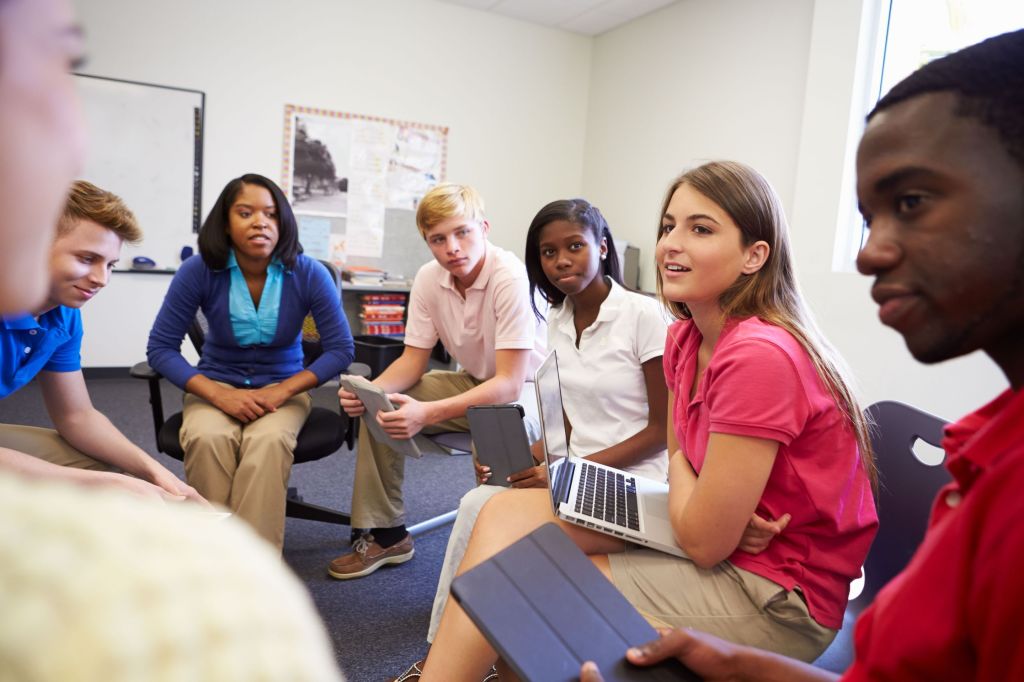
Group discussions are a valuable component of alternative schooling and education programs, as they offer numerous benefits for students in terms of learning and personal development. These discussions provide a platform for students to engage with their peers, share ideas, collaborate on projects, and develop critical thinking skills. In this roundup post, we will explore the importance of group discussions in alternative education settings.
One of the key benefits of group discussions is that they promote active learning. Instead of passively listening to lectures or reading textbooks, students actively participate in the learning process through engaging in dialogue with their peers. This interactive approach enables students to deepen their understanding of complex concepts by explaining them to others or by challenging their own assumptions through conversations with classmates.
Moreover, group discussions help foster collaboration among students. By working together on assignments or projects during these sessions, students learn how to communicate effectively, delegate tasks, and compromise when faced with differing opinions. These collaborative skills are essential not only for academic success but also for future career opportunities where teamwork is often required.
Another advantage of group discussions is that they enhance communication skills. Students have the opportunity to practice articulating their thoughts clearly and persuasively in front of an audience. They can receive feedback from their peers on how well they express themselves and adjust their communication style accordingly. This improvement in communication abilities is valuable both academically and professionally.
Furthermore, group discussions promote critical thinking skills among students. Through engaging in debates or analyzing different viewpoints within a group setting, students learn how to evaluate information critically, form logical arguments based on evidence, and think creatively about problem-solving scenarios. These analytical skills are crucial for success in academics as well as in real-world situations where complex decision-making is required.
In addition to academic benefits, group discussions also contribute to personal growth and social development. Students have the opportunity to build relationships with their peers outside the classroom environment through sharing personal experiences or discussing common interests. This sense of community fosters a supportive learning environment where everyone feels valued and respected.
Moreover, participating in group discussions helps students develop empathy towards others’ perspectives and become more open-minded individuals. By listening actively to diverse viewpoints within the group, students broaden their understanding of different cultures, beliefs, and values which enhances their ability to interact positively with people from various backgrounds.
Overall, group discussions play a vital role in alternative schooling and education by offering a dynamic space for collaborative learning experiences that foster active participation among students while enhancing critical thinking abilities along with communication skills necessary for future success both academically and professionally.
 Alternative Amie
Leave a comment