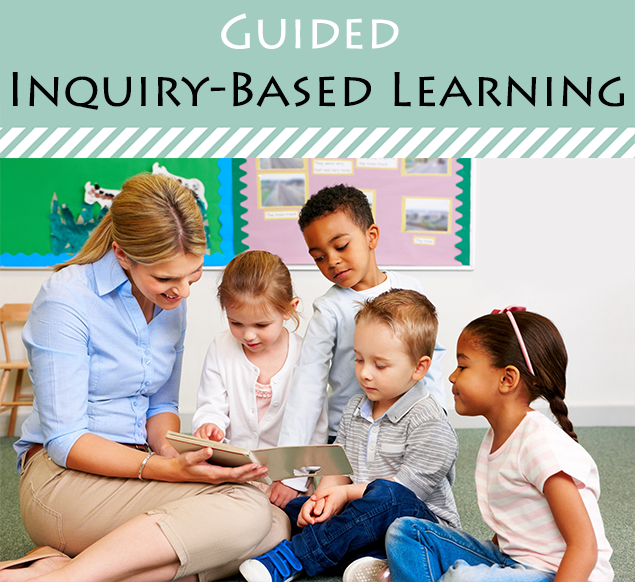
Project-based learning, inquiry-based learning, and experiential learning are innovative approaches that have gained popularity in recent years for their effectiveness in engaging students and promoting deeper understanding. These methods involve hands-on experiences, real-world problem-solving, and student-driven investigations to foster critical thinking skills and a deeper connection to the material being studied.
Personalized learning plans cater to individual student needs by tailoring instruction and content based on their interests, abilities, and learning styles. This approach empowers students to take ownership of their education and progress at their own pace. Self-paced learning allows students the flexibility to delve into topics more deeply or move ahead quickly if they grasp concepts easily.
Metacognition, goal setting, reflection, peer-to-peer teaching, and online resources all play a vital role in self-directed learning. Metacognition involves thinking about one’s own thinking processes which helps learners become more aware of how they learn best. Setting goals helps students stay focused and motivated while reflecting on their progress allows them to track their development over time.
Peer-to-peer teaching encourages collaboration among students as they share knowledge and skills with each other. Online resources provide a wealth of information for self-directed learners looking to explore new topics or deepen their understanding of existing ones.
Developing a growth mindset is essential for self-directed learners as it fosters resilience, perseverance, and a belief in one’s ability to improve through effort. Creating a conducive learning environment at home involves establishing clear expectations, providing necessary resources, and minimizing distractions.
Balancing structure with freedom is key in self-directed learning; while some level of guidance is important for success, allowing autonomy encourages creativity and independence. Technology can enhance independent study by providing access to vast amounts of information as well as tools for organization and communication.
Time management skills are crucial for self-directed learners who must juggle multiple tasks without direct supervision. Cultivating intrinsic motivation ensures that students are driven by internal rewards rather than external pressures.
Incorporating real-world experiences into learning makes lessons more relevant and meaningful for students by connecting classroom concepts to practical applications. Assessing progress in self-directed learning may involve self-assessment tools or feedback from teachers or peers.
Nurturing creativity enables students to think outside the box while fostering innovation prepares them for future challenges in an ever-changing world. Encouraging collaboration among self-directed learners builds social skills as well as teamwork abilities essential for success in any field.
 Alternative Amie
Leave a comment