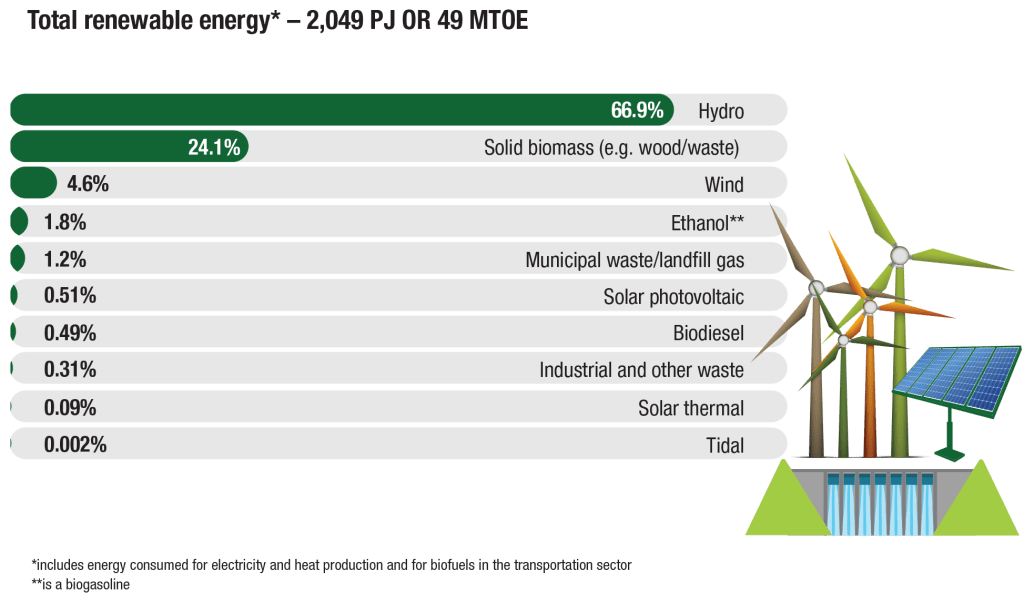
Renewable energy sources have become increasingly popular in recent years as society recognizes the need for sustainable and eco-friendly alternatives to traditional fossil fuels. Solar, wind, hydroelectric, geothermal, and biomass energy are all examples of renewable resources that can help reduce carbon emissions and combat climate change.
One of the key benefits of renewable energy is its ability to harness natural resources that are abundant and constantly replenished. Unlike finite fossil fuels such as coal and oil, renewable energy sources will not run out. Additionally, they produce little to no greenhouse gas emissions during operation, making them a cleaner option for generating electricity.
Another advantage of renewable energy is its potential for decentralization. Small-scale solar panels on rooftops or wind turbines in communities can empower individuals to generate their own power and even sell excess electricity back to the grid.
However, there are some challenges associated with renewable energy, including intermittency (the reliance on weather conditions) and initial high costs of installation. Despite these obstacles, continued advancements in technology and government incentives are helping make renewable energy more accessible and cost-effective.
Overall, investing in renewable energy is crucial for creating a more sustainable future. By transitioning towards clean sources of power generation, we can mitigate environmental impacts while fostering innovation and economic growth in the green sector.
 Alternative Amie
Leave a comment