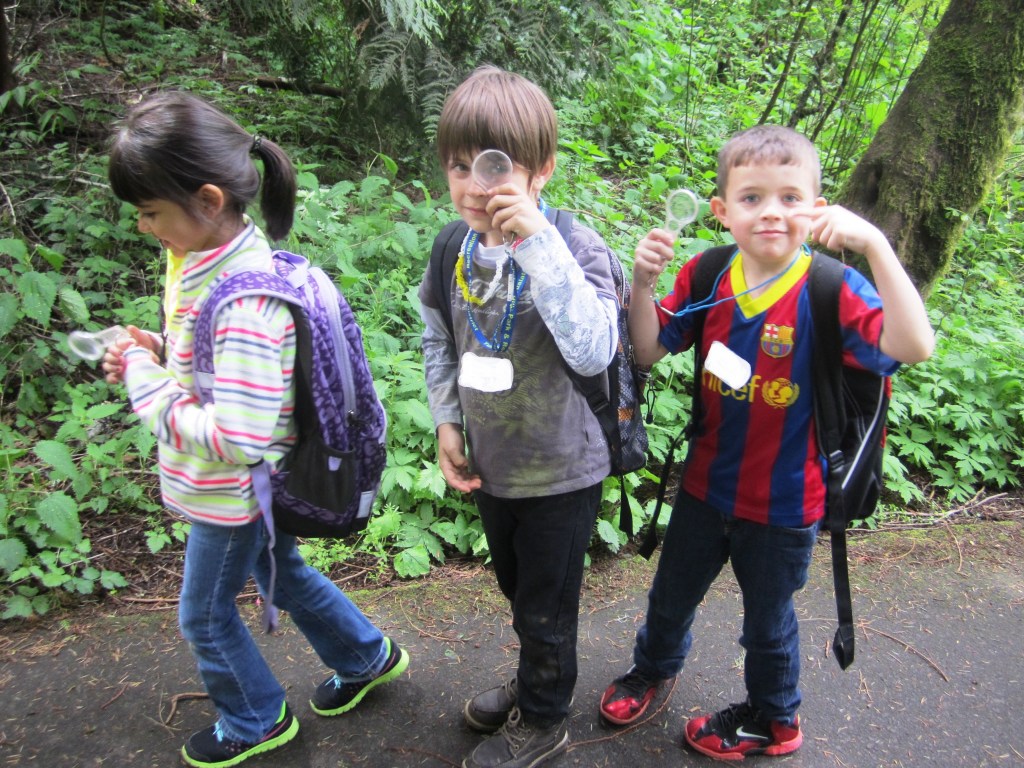
National Parks have long been recognized as some of the greatest treasures in the United States. These protected lands offer a unique opportunity for individuals to connect with nature, learn about wildlife, and immerse themselves in the beauty of the great outdoors. For students enrolled in alternative schooling and education programs, National Parks can serve as an invaluable resource for hands-on learning experiences that foster personal growth and academic development.
One key aspect of National Parks that makes them so appealing to alternative education programs is their accessibility. With over 400 parks spread across the country, there is likely a park within driving distance of almost any location. This proximity allows schools to organize field trips or outdoor learning experiences without requiring extensive travel or resources. Students are able to explore diverse ecosystems, observe wildlife in their natural habitats, and engage in activities such as hiking, camping, and stargazing.
The educational opportunities provided by National Parks are endless. Park rangers often lead guided tours and educational programs that cover topics ranging from geology and biology to history and conservation. Students can participate in interactive workshops, attend ranger talks, or even complete Junior Ranger programs designed specifically for younger learners. These hands-on experiences not only deepen students’ understanding of various subjects but also help them develop important skills such as critical thinking, problem-solving, and teamwork.
In addition to formal educational programs, National Parks offer a wealth of informal learning opportunities. Simply being surrounded by nature can spark curiosity and inspire creativity in students of all ages. Whether it’s observing a bison grazing on the prairie or marveling at towering redwood trees, these immersive experiences can ignite a passion for environmental stewardship and conservation.
Furthermore, National Parks provide a safe space for students to step outside their comfort zones and challenge themselves physically and mentally. Activities like rock climbing, kayaking, or backpacking encourage self-reliance and resilience while fostering a sense of accomplishment when faced with new challenges. These experiences can boost students’ self-confidence and help them build valuable life skills that extend beyond the classroom.
For alternative education programs that prioritize experiential learning and holistic development, National Parks offer an ideal setting for integrating academics with real-world experiences. By incorporating outdoor education into their curriculum, schools can create meaningful connections between classroom lessons and practical applications in nature. This interdisciplinary approach not only enhances students’ academic performance but also promotes environmental awareness and instills a lifelong love of learning.
As we reflect on the importance of National Parks in shaping our collective understanding of nature and conservation efforts over the years, it’s crucial to recognize their role as invaluable resources for alternative schooling initiatives. By harnessing the power of these natural wonders as outdoor classrooms, educators can empower students to become stewards of the environment while fostering personal growth through experiential learning opportunities that transcend traditional boundaries.
 Alternative Amie
Leave a comment