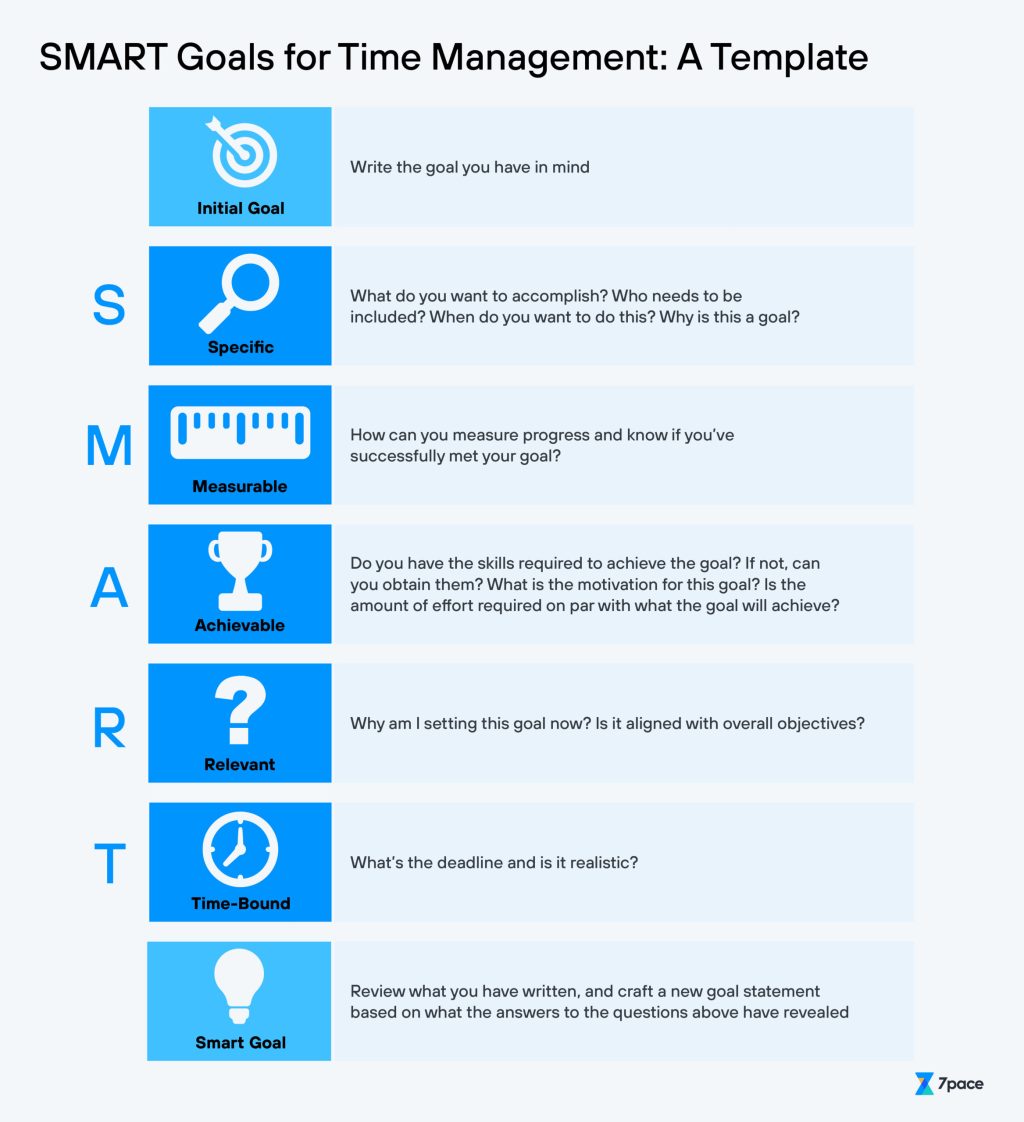
Time management is a crucial skill for students in alternative schooling and education settings. With the flexibility and independence that often come with non-traditional educational paths, it can be easy to become overwhelmed or fall behind without effective time management strategies in place. By learning how to prioritize tasks, set goals, and manage their schedules efficiently, students can maximize their productivity and academic success.
One key aspect of effective time management is setting clear goals. Students should take the time to identify what they want to achieve in both the short term (daily or weekly) and long term (semester or year). By having specific objectives in mind, students can better allocate their time and energy towards activities that will help them reach those goals. Regularly reviewing and adjusting these goals as needed is also essential for staying on track.
Another important aspect of time management is prioritizing tasks. Alternative schooling environments often require students to juggle multiple responsibilities such as coursework, extracurricular activities, part-time jobs, or family commitments. It’s crucial for students to distinguish between urgent tasks that need immediate attention and important but less pressing ones. By prioritizing effectively, students can focus on completing high-priority tasks first while ensuring that other responsibilities are not neglected.
Creating a schedule or timetable is an excellent way for students to organize their time effectively. By breaking down their day into blocks of time dedicated to specific activities like studying, attending classes or meetings, exercising, relaxing, etc., students can ensure they make progress on all fronts without feeling overwhelmed. It’s also beneficial for individuals who thrive on structure and routine as it provides a sense of stability amidst the inherent flexibility of alternative education settings.
In addition to scheduling specific activities throughout the day, allocating buffer times between tasks can help account for unexpected delays or interruptions. This practice not only allows for more realistic planning but also reduces stress by providing some leeway in case things don’t go according to plan. Furthermore, incorporating breaks into the schedule is vital for maintaining focus and preventing burnout. Short breaks between study sessions have been shown to improve concentration levels and overall productivity.
Overall, mastering time management skills is essential for success in alternative schooling environments where self-discipline and autonomy play significant roles in academic achievement. By setting clear goals, prioritizing tasks effectively, creating a structured schedule with buffer times included,,students can enhance their productivity levels while maintaining a healthy work-life balance.
 Alternative Amie
Leave a comment