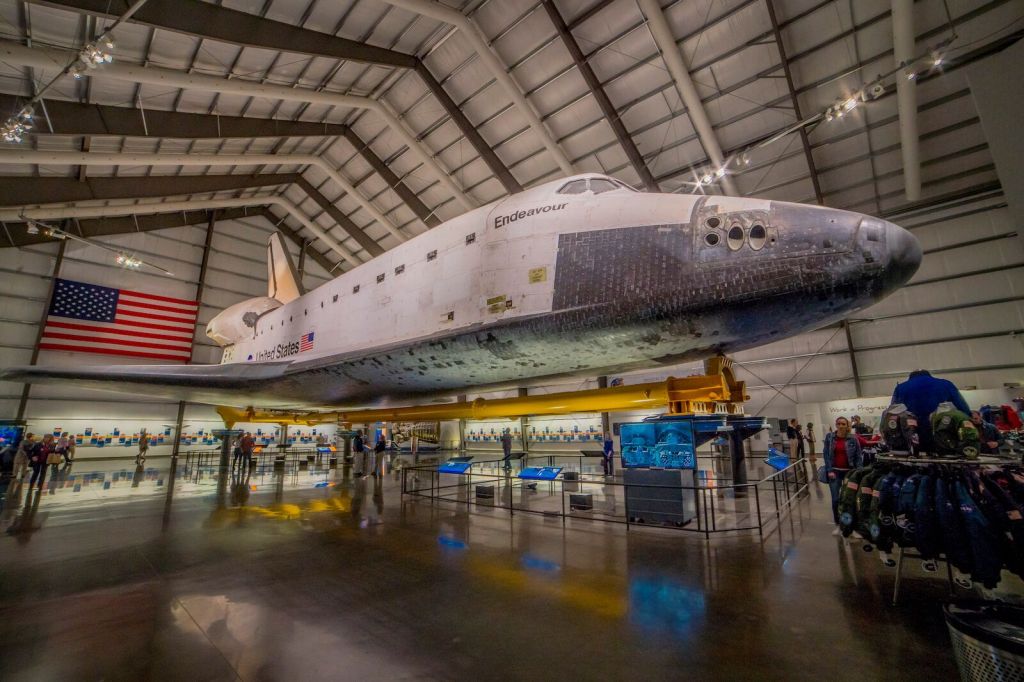
Science museums are a fantastic resource for both children and adults, offering interactive exhibits that make learning about science fun and engaging. These museums provide hands-on experiences that can help foster a love of science and technology in visitors of all ages. In this FAQ-style guide, we will explore the benefits of visiting science museums, how to make the most of your trip, and some notable science museums around the world.
**What are the benefits of visiting a science museum?**
Visiting a science museum offers numerous benefits for both children and adults. For children, these institutions provide an opportunity to engage with scientific concepts in a hands-on way, making learning more enjoyable and memorable. Science museums often feature interactive exhibits that allow visitors to conduct experiments, explore natural phenomena, and learn about cutting-edge technologies.
For adults, science museums offer a chance to continue learning about scientific advancements and discoveries in an accessible and engaging manner. Many science museums also host special events such as lectures, workshops, and demonstrations that can deepen one’s understanding of various scientific topics.
**How can I make the most of my visit to a science museum?**
To make the most of your visit to a science museum, consider the following tips:
1. Plan ahead: Before your visit, check the museum’s website for information on current exhibits, special events, ticket prices, and hours of operation.
2. Take your time: Science museums often have multiple floors or sections with different themes. Take your time exploring each exhibit fully to get the most out of your visit.
3. Participate in activities: Many science museums offer hands-on activities or demonstrations that allow visitors to engage directly with scientific concepts. Make sure to participate in as many activities as you can during your visit.
4. Ask questions: Don’t be afraid to ask questions! Science museum staff are usually knowledgeable about the exhibits and can provide additional information or insights.
5. Visit regularly: Science museums often rotate their exhibits or host temporary installations. Consider becoming a member or visiting regularly to experience new content each time you go.
**What are some notable science museums around the world?**
There are numerous world-class science museums located across the globe. Some notable examples include:
1. **The Exploratorium (San Francisco)**: Known for its interactive exhibits on physics, biology, astronomy, and more.
2 . **The Museum of Science (Boston)**: Features over 700 interactive exhibits covering topics such as engineering design challenges,
space exploration,
nanotechnology,
math puzzles,
mindbenders
3 . **The Smithsonian National Air & Space Museum (Washington D.C.)**: Home
to thousands
of aviation
and space artifacts including
the Wright brothers’ plane
and Apollo 11 command module.
4 . **The Natural History Museum (London)**:
Famous for its dinosaur skeletons,
earthquake simulator,
interactive geology displays.
5 . **Cité des Sciences et de l’Industrie (Paris)**:
One
of Europe’s largest
science centers featuring
exhibits on everything from astronomy
to robotics.
These are just a few examples; there are countless other incredible science museums around the world waiting to be explored!
In conclusion,
science museuems offer valuable educational experiences for learners o fall ages by providing interactive opportunities t0 engage with scientific conecpts firsthand.. By planning ahead ,participating in activites asking questions,and vising regularly,you cna maximize yoru experince at these institutions.There ar emany notable sciene musesums aroudn teh worl,d so if you ever have teh opportunty,to vist one ,be sur eot takeadvantage f tehir enriching offerings!
 Alternative Amie
Leave a comment