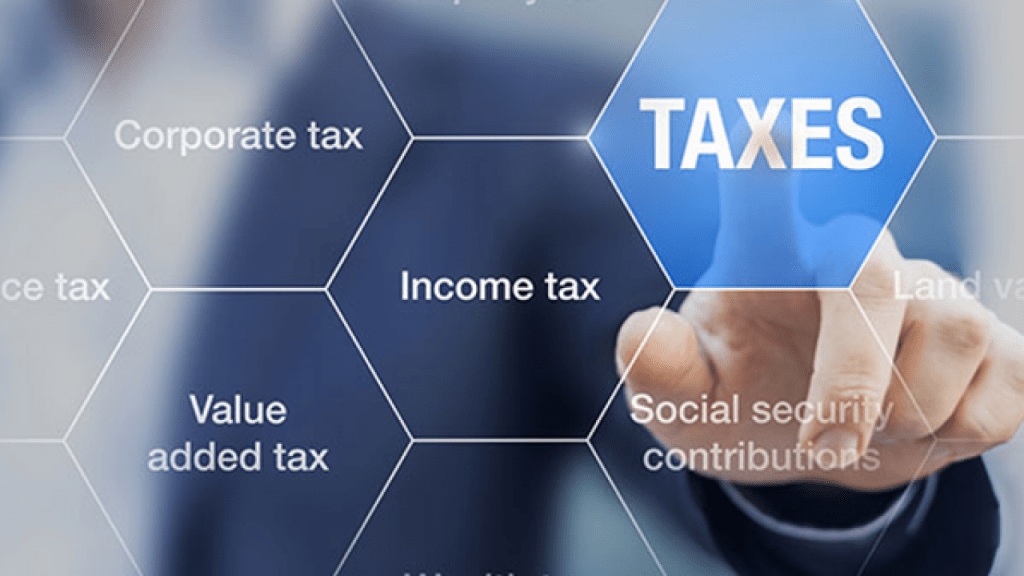
Taxes 101: Understanding the Basics
Taxes are an essential part of society, funding public services and infrastructure that we all rely on. However, for many people, taxes can be confusing and overwhelming. In this guide to Taxes 101, we will break down the basics of taxes, including why we pay them, how they are calculated, different types of taxes, and tips for tax planning.
Why Do We Pay Taxes?
Taxes are collected by governments at various levels (federal, state, and local) to fund public services such as education, healthcare, infrastructure development, defense, and social welfare programs. By paying taxes, individuals contribute their fair share towards the common good and help maintain a functioning society.
How Are Taxes Calculated?
The amount of tax an individual owes is determined by their income level and other factors such as deductions and credits. The tax system in most countries is progressive – meaning that those with higher incomes pay a higher percentage of their income in taxes than those with lower incomes.
Taxable income is the amount of income subject to taxation after subtracting allowable deductions like business expenses or mortgage interest payments. Tax rates vary based on income brackets set by the government. For example, in the United States for the year 2021:
– Single filers earning up to $9,950 fall into the 10% tax bracket.
– Single filers earning between $9,951 and $403 ,600 fall into the 12% tax bracket.
– And so forth for higher income brackets.
It’s important to note that there are also additional taxes beyond just federal income tax; these can include state income tax (if applicable), Social Security contributions (FICA), Medicare tax (also FICA), property taxes (for homeowners), sales tax (on purchases), and more depending on where you live or work.
Types of Taxes
Income Tax: This is a direct tax on individuals’ earnings from employment or investments. It is typically paid annually when filing your income tax return.
Sales Tax: A consumption-based indirect tax levied on goods and services at the point of sale. Sales tax rates vary by location but are generally added onto retail prices.
Property Tax: A levy imposed on owners of real estate properties based on their property value. Property taxes fund local government services like schools and roads.
Corporate Tax: Imposed on businesses’ profits before distributing dividends to shareholders; corporate taxes vary globally but play a significant role in funding government operations.
Excise Tax: Levied on specific goods like gasoline or alcohol rather than general transactions; intended to discourage consumption while generating revenue for specific purposes.
Tips for Tax Planning
1. Keep organized records: Maintain all relevant financial documents throughout the year to make filing easier come tax season.
2. Take advantage of deductions & credits: Research available deductions like charitable donations or education expenses which can reduce taxable income.
3. Contribute to retirement accounts: Contributions made towards IRAs or employer-sponsored retirement plans may be deductible from taxable income.
4 . Consult with a professional : Consider seeking advice from a certified accountant or financial advisor who can provide personalized guidance tailored to your situation.
5 . Stay informed about changes : Be aware of updates or changes in taxation laws that could impact your finances; stay informed through reliable sources like official government websites .
In conclusion , understanding basic concepts about taxation can empower individuals when it comes time to file returns or make financial decisions . By familiarizing yourself with fundamental principles outlined above , you’ll be better equipped navigate complexities our modern systems . Remember , paying takes contribution shared responsibility supporting communities thrive !
 Alternative Amie
Leave a comment