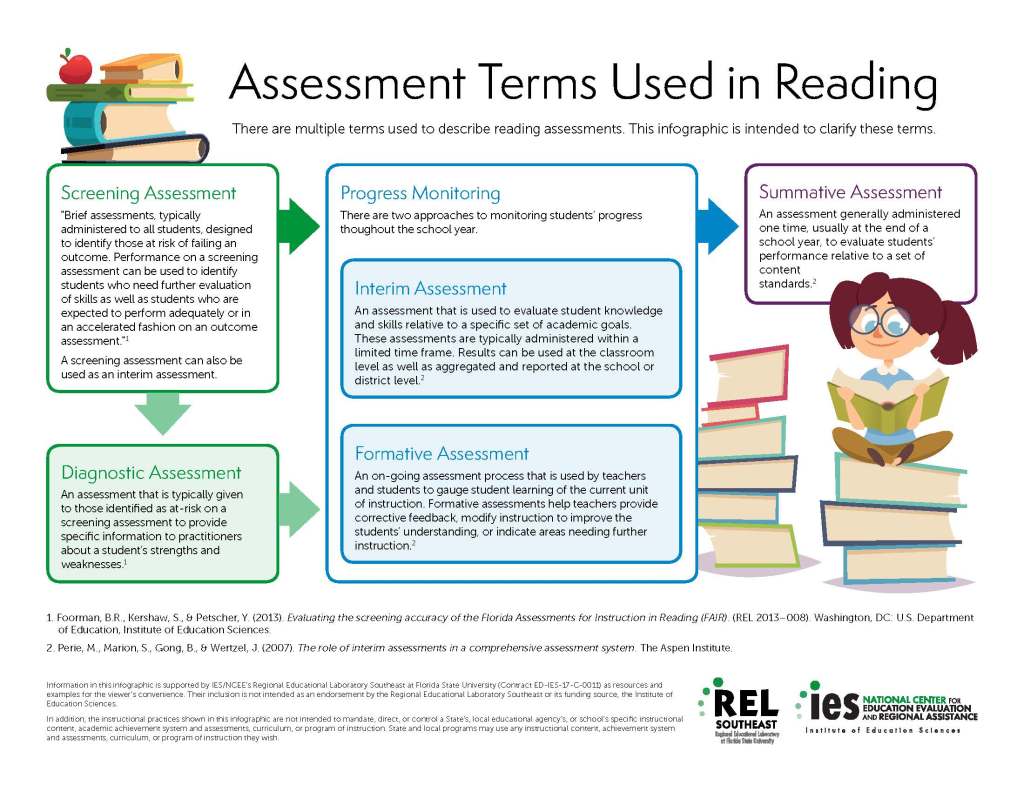
Assessment literacy is a crucial aspect of education that plays a vital role in supporting student learning and achievement. It refers to the knowledge, skills, and understanding that educators need to design, implement, interpret, and use various types of assessments effectively. In today’s educational landscape, where there is increased focus on data-driven decision-making and accountability, assessment literacy is more important than ever.
Understanding Assessment Literacy
To begin with, it is essential to understand what assessment literacy entails. At its core, assessment literacy involves having a deep understanding of:
1. The purposes of assessment: Educators should be aware of why they are assessing students – whether it is for diagnostic purposes (to identify students’ strengths and weaknesses), formative purposes (to provide feedback for ongoing learning), summative purposes (to evaluate student achievement at the end of a unit or course), or evaluative purposes (to make judgments about program effectiveness).
2. Different types of assessments: There are various types of assessments that can be used in education, including traditional tests and quizzes, performance tasks, projects, portfolios, observations, self-assessments, peer assessments, etc. Educators need to know when and how to use each type effectively.
3. Assessment validity and reliability: Validity refers to whether an assessment measures what it intends to measure while reliability refers to the consistency of results obtained from an assessment tool. Educators must ensure that their assessments are both valid and reliable.
4. Data interpretation: Once assessments are conducted, educators must be able to interpret the data collected accurately. This includes analyzing individual student performance as well as identifying patterns across groups of students.
5. Using assessment results for decision-making: The ultimate goal of assessment is not just to test students but also to inform instructional decisions. Educators should be able to use assessment results effectively to guide their teaching practices and support student learning.
Why Assessment Literacy Matters
Assessment literacy is crucial for several reasons:
1. Improved Teaching Practices: When educators have a strong grasp of assessment principles and techniques, they can tailor their instruction more effectively to meet the needs of diverse learners.
2. Enhanced Student Learning: Well-designed assessments provide valuable feedback that can help students understand their strengths and areas for improvement. This feedback loop promotes continuous growth and progress.
3.Legal Compliance : With increased emphasis on standardized testing in many educational systems around the world , teachers must be knowledgeable about how these tests work , how scores are interpreted ,and how they should prepare their students .
4.Informed Decision-Making : School administrators rely on accurate data from assessments t o make informed decisions regarding curriculum development , resource allocation,and teacher evaluation .When educators lack adequate assess ment literacy,it can lead t o misguided decisions with far-reaching consequences .
Developing Assessment Literacy Skills
So how can educators develop their assessment literacy skills? Here are some strategies:
1.Professional Development Opportunities : Schools should offer ongoing professional development opportunities focused on assessment practices .These could include workshops,school-based training sessions,collaboration with colleagues,and online courses.These opportunities allow teachers t o deepen th eir understanding 0f effectiveassessment strategiesand keep up-to-date with current best practices .
2.Mentoring Programs : New teachers could benefit greatly from mentoring programs where experienced educators guide them in developing effectiveassessment practices .Mentors can share their expertise,give constructive feedback,and provide support as new teachers navigate th e complexitiesof classroomassessmen t .
3.Self-Study : Educatorscan take initiative by engagingin self-study activities suchas reading booksand researcharticlesonassessmentliteracyor reflectingontheirownassessmentpracticesandinstructionaldecisions.They cangain invaluable insightby critically examiningtheir ownassessmentsand seekingfeedbackfromstudents,colleagues,andmentors .
4.Collaboration : Collaboratingwith colleaguesis another powerful waytodevelopassessmentliteracyskills.Teacherscanshare ideas,strategies,andresourcesrelatedtoassessment.Theycanalsocollectivelyanalyzeass essmentdata,toidentify trendsandsuccessesinstudentlearning.A cultureofcollaborationencouragesongoingprofessionalgrowthandimprovementamongeducator s .
Challenges in Developing Assessment Literacy
Despite its importance ,developingstrong assess mentliteracyskillscanbechallengingfor educato rs.Difficultiesmay arise due t othefollowing factors :
1.Time Constraints
Educatorsoften face timeconstraintsdue todemands placedonthembycurriculumteachingloadsschoolinitiativesadministrativetasksan d extracurricularactivities.It may bedifficult forthemtotakeadditionaltimeouto focu sonprofessionaldevelopmentrelatedtoass essmentliteracy.However,investingtimeinbuildingthesecriticalskillsisessentialforgrowingasa teacherandleaderintheclassroom .
2.Resistance tonewapproaches:
Someeducatorsmaybepreferredagainstusingdifferenttypesofassessmentsortheymaybeskepticalaboutthedifferenceitwillmakeinstudent out comes.Oldhabitsarehardtobreak;therefore,introducingnewways0fthinkingabou tandimplementingsuccessfulasses smen tscheme s maybedauntingfor someprofessionals .
3.LackofResources :
Schoolswithlimitedresourcesmaystruggletoprovideadequateopportunitiesforprofessionaldevelopmentaroundassessmentliter acy.Thiscouldincludefinancialconstraints,lackoftimeordifficultyaccessingtorelevantmaterials.Asresultteachersmaybelefttodeveloptheirskillsindividuallywithoutsufficientsupportfromtheirschool or district .
Conclusion
In conclusion , asses smentl iter acyisthefoundationonthwhicheffectiveteachingandlearningrests.Educatorswhoarewell-versedinntheprinciplesoftestingande valuationhaveagreaterimpactons tu dentachievementandelicitamoredynamiclear ningenvironment.Bycontinuingtogrowandre fine-theirmasteryoverthesekeyconcepts,thisgroupofprofessionalswillembraceachallengeastheyseektosupportthestudentsundertheircare
 Alternative Amie
Leave a comment