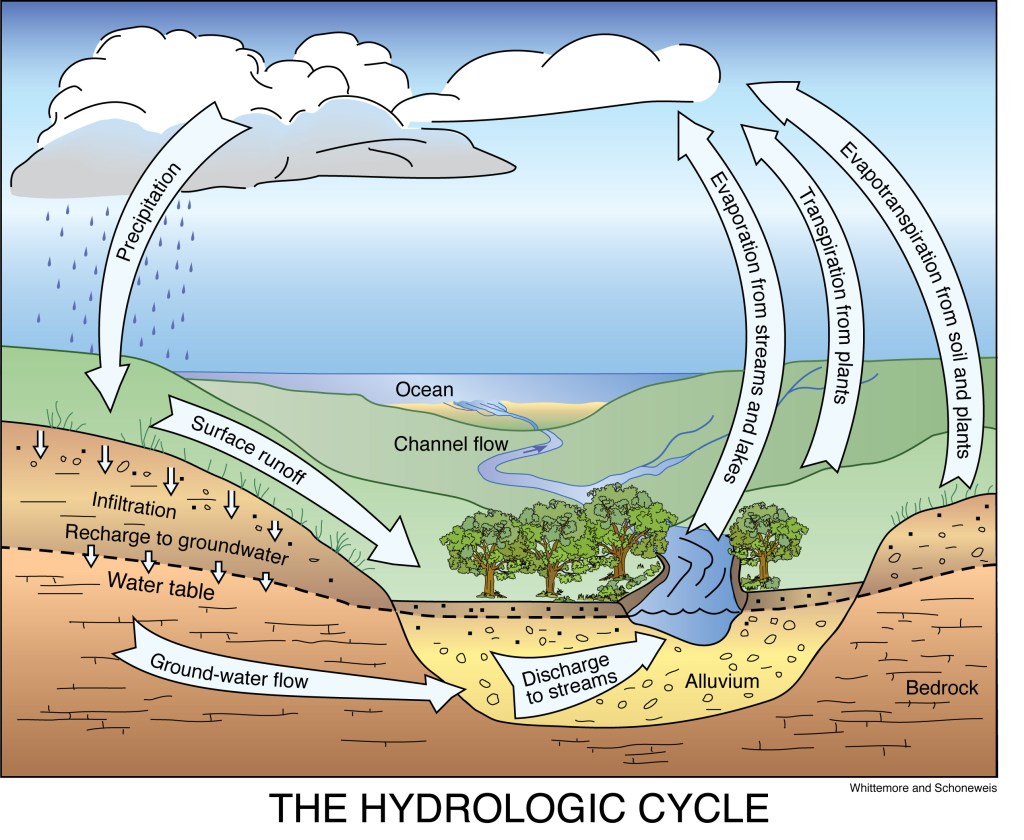
Hydrology is a fascinating field that plays a crucial role in understanding the distribution, movement, and properties of water on Earth. It encompasses various aspects such as the hydrologic cycle, groundwater flow, precipitation patterns, and surface water dynamics. Through studying hydrology, we gain valuable insights into how water shapes our environment and impacts ecosystems, agriculture, infrastructure, and human communities.
One of the key concepts in hydrology is the hydrologic cycle, also known as the water cycle. This continuous process involves the evaporation of water from oceans and other bodies of water, condensation into clouds, precipitation onto land or back into bodies of water, infiltration into soil or runoff into rivers and streams. Understanding this cycle is essential for managing water resources effectively and sustainably. By monitoring factors such as rainfall patterns, evapotranspiration rates, and streamflow levels, hydrologists can assess the availability of freshwater resources in different regions.
Groundwater flow is another important aspect of hydrology that influences water availability and quality. Groundwater reservoirs serve as vital sources of drinking water for many communities worldwide. Hydrologists study factors like aquifer properties, recharge rates, and contamination risks to ensure sustainable management of groundwater resources. By implementing strategies such as groundwater monitoring networks and aquifer recharge projects, they work to protect these valuable reserves for current and future generations.
In addition to natural processes like precipitation and groundwater flow, human activities also play a significant role in shaping water resources management. Urbanization, agriculture practices, industrial activities, and climate change can all impact the quantity and quality of available freshwater resources. Hydrologists work closely with policymakers, engineers, environmental scientists,and local communities to develop integrated approaches that balance competing demands for water while safeguarding ecosystems.
Effective management of water resources requires a multidisciplinary approach that considers scientific data alongside social,economic,and environmental factors.Hydrologists often collaborate with experts in fields such as ecology,hydrogeology,civil engineering,and policy analysis to address complex challenges related to flood control,drought mitigation,sustainable irrigation,and watershed protection.By integrating diverse perspectives,H2O logy helps us build resilient systems that can adapt to changing conditions while promoting equitable access to clean wate
Overall,having an understanding,watershed perspective on hydrololgyis criticalfor ensuringthe sustainabilityof our planet’smost preciousresource.Waterplaysa centralrolein supportinglifeonEarthandits responsiblemanagementisessentialfor addressingpressingglobalchallengeslikefoodsecuritypublichealthclimatechangeandsocialjustice.Bystudyinghydrologyandworkingtodevelopinnovativesolutionsthatprotectour watersourceswe canbuild amore resilientandlequitablefutureforallecosystemsandcommunitiesacrossourplanet
 Alternative Amie
Leave a comment