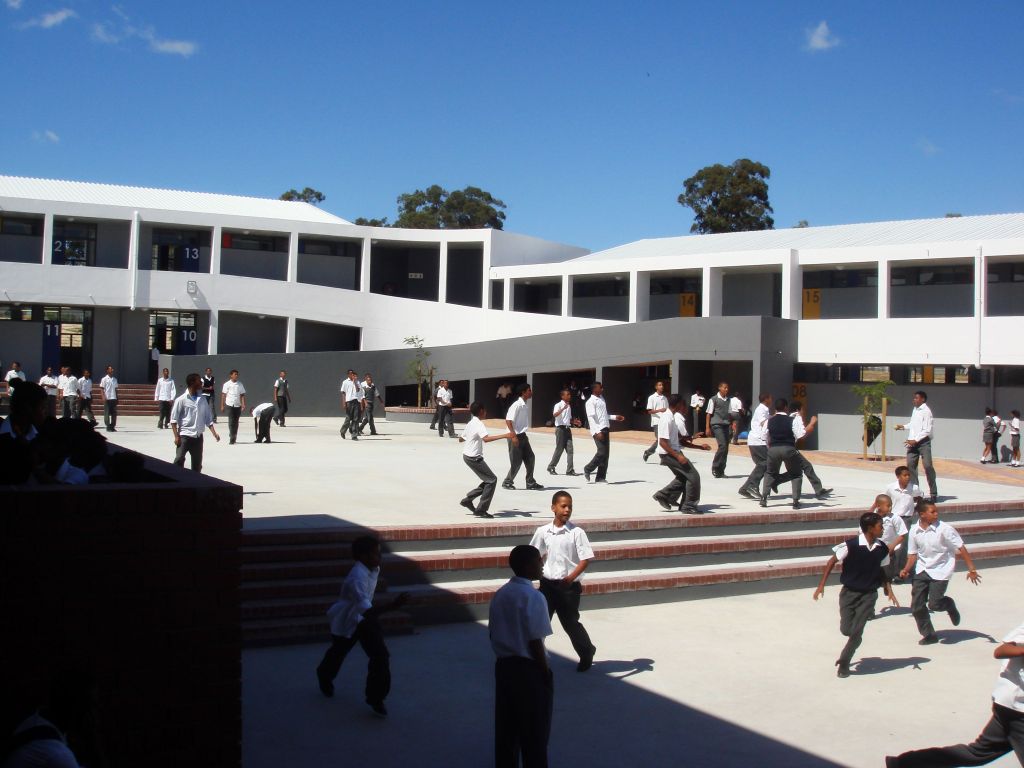
Urban schools are often characterized by their large student populations and diverse student bodies. These schools are typically located in densely populated areas, offering a wide range of resources and opportunities for students. Urban schools may face challenges such as overcrowded classrooms, limited funding, and issues related to safety and security. However, many urban schools also benefit from access to cultural institutions, community partnerships, and extracurricular activities that enrich the educational experience for students.
Rural schools, on the other hand, are situated in sparsely populated areas away from urban centers. These schools often serve smaller communities where students may have limited access to resources and opportunities compared to their urban counterparts. Rural schools may struggle with teacher recruitment and retention, transportation issues for students who live far from school, and a lack of advanced coursework options. However, these schools often foster strong connections between teachers, students, and families within the tight-knit community.
Suburban schools fall between urban and rural settings in terms of population density. These schools typically serve middle-class communities with more resources than rural areas but less diversity than urban centers. Suburban schools are known for their high academic achievement levels due to factors such as stable funding sources, strong parental involvement, and access to well-maintained facilities.
International schools cater to expatriate families or local residents seeking a global education with an international perspective. These schools offer curricula from various countries or adopt programs such as the International Baccalaureate (IB). International schools aim to prepare students for success in a multicultural world by emphasizing language fluency, cultural awareness, and global citizenship.
Schools in developing countries face unique challenges related to poverty, inadequate infrastructure, limited access to technology, and insufficient teacher training. Despite these obstacles, educators in developing countries work tirelessly to provide quality education that empowers children with the knowledge and skills they need to break the cycle of poverty.
In contrast, schools in developed countries benefit from well-established educational systems supported by government funding mechanisms. These schools offer modern facilities equipped with technology tools that enhance learning experiences for students. Educators in developed countries focus on preparing students for college or career pathways through rigorous academic standards aligned with workforce demands.
Schools located in conflict zones operate under extreme conditions marked by violence, displacement of communities,
and disruptions to normal schooling routines.
Despite these challenges,
teachers often continue
to provide education
in makeshift classrooms
or through alternative
learning strategies
to ensure continuity
for children affected by conflict.
These dedicated educators play a crucial role
in supporting children’s
mental health,
resilience,
and hope
for a better future.
Indigenous education programs prioritize preserving traditional languages,
cultures,
and knowledge systems within Indigenous communities.
These programs promote pride
in one’s heritage while equipping learners with skills necessary
to navigate contemporary society.
Remote schooling initiatives address geographical barriers preventing some learners from accessing traditional brick-and-mortar classrooms.
Through online platforms,
video conferencing tools,
and distance learning materials,
students can engage
with curriculum content remotely.
Inner-city
schools often
serve diverse
student
populations
facing socio-economic
challenges like poverty
and crime
that impact
academic
achievement
levels
but dedicated
educators work
tirelessly
to provide
supportive
environments
where all
students can
thrive
Coastal
schools
offer unique
opportunities
for environmental
education
through hands-on
learning experiences
such as marine
biology studies
Mountainous region
schools
face logistical
challenges
related
to rugged
terrain
and harsh
weather
conditions
yet offer
scenic views
that inspire
a sense
of wonder
Desert region
schools
navigat e
extreme temperatures ,
limited water sources
,and sand storms while adapting teaching methods
to incorporate desert ecology into lessons
Arctic region
schools confront
cold temperatures
,long dark
winters ,permafrost
,and ice hazards yet embrace
unique Arctic culture
into curriculum
Tropical region
schools
enjoy lush landscapes
,but must contend
with tropical diseases
,humidity
,and frequent storms
while integrating
local flora
and fauna
into science
curriculum
Island
school
communities
embrace ocean-
based learning
opportunities including
marine biology research
,cultural exchange programs
,and sustainability initiatives
Border
region
schools
navigate
cultural
differences
between neighboring
countries
while providing
cross-border collaborations
Schools
in refugee camps
offer stability
amidst turmoil
by providing educational
opportunities
for displaced children
Nomadic education programs
adapt curriculum
delivery methods
,to accommodate
the mobility patterns of nomadic communities
Schools i n post-disaster areas focus on rebuilding not just physical infrastructures but also emotional healing after traumatic events
High-altitude regions face challenges related t o low oxygen levels ,harsh weather conditions , hilly terrain s yet provide stunning vistas that inspire curiosity about mountain ecosystems
Rainforest area s chools integrate ecology preservation efforts into curriculums ,inspiring stewardship among young learners Island Schools combine coastal beauty wit h unique island cultures fostering environmental conservation practices among students Border Region Schools promote cross-cultural understanding through collaborative projects bridging divides between neighboring regions Schools In Conflict Zones operate under extreme circumstances marked by violence dislocation…
 Alternative Amie
Leave a comment