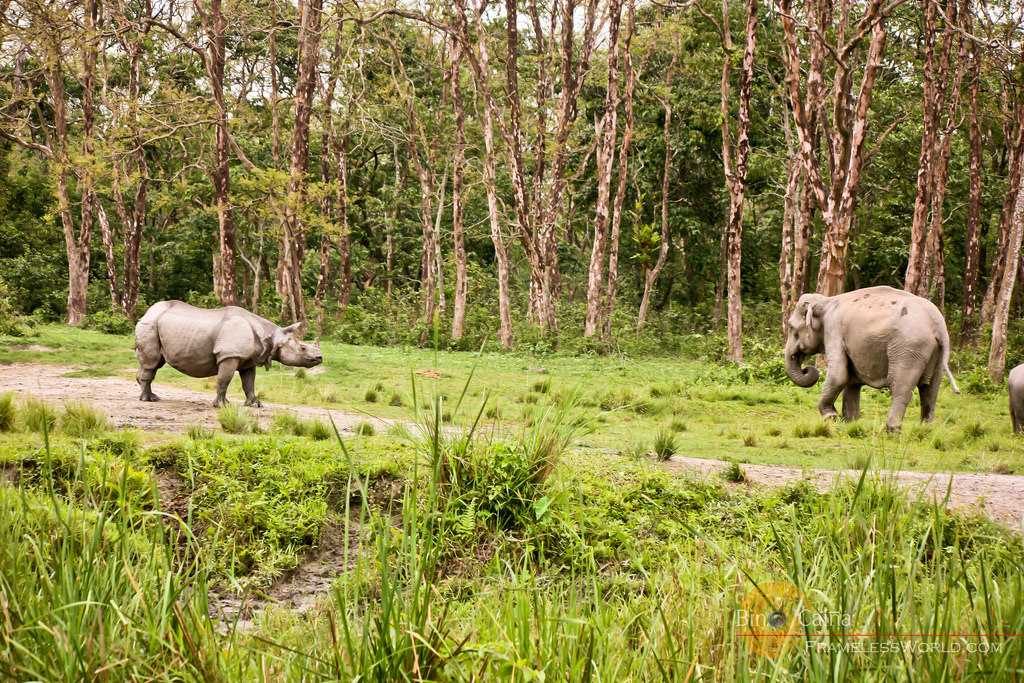
Wildlife sanctuaries play a vital role in conservation efforts, providing safe havens for endangered species and serving as educational hubs for visitors. These protected areas are essential in preserving biodiversity and promoting awareness about the importance of wildlife conservation.
One of the primary purposes of wildlife sanctuaries is to protect at-risk species from threats such as habitat destruction, poaching, and climate change. By creating safe spaces where animals can thrive without fear of harm, these sanctuaries help ensure the survival of vulnerable populations. Additionally, they serve as breeding grounds for endangered species, allowing them to reproduce and increase their numbers in a controlled environment.
Many wildlife sanctuaries also engage in rehabilitation efforts, rescuing injured or orphaned animals and providing them with medical care until they are ready to be released back into the wild. This hands-on approach not only helps individual animals but also contributes to overall conservation efforts by maintaining healthy populations in the wild.
In addition to their role in protecting endangered species, wildlife sanctuaries also serve as centers for environmental education and research. Visitors have the opportunity to learn about various ecosystems, animal behavior, and conservation practices through guided tours, interactive exhibits, and educational programs. By raising awareness about environmental issues and fostering a sense of stewardship among visitors, wildlife sanctuaries play a crucial role in inspiring future generations to care for our planet.
Furthermore, many wildlife sanctuaries collaborate with researchers and scientists on projects aimed at studying animal behavior, population dynamics, and ecological interactions. Through field studies and data collection initiatives conducted within sanctuary boundaries, valuable insights are gained that contribute to our understanding of complex ecosystems and inform conservation strategies.
One notable example of a successful wildlife sanctuary is the Maasai Mara National Reserve in Kenya. This vast savanna ecosystem is home to a diverse array of wildlife species including lions, elephants, giraffes, zebras, wildebeests, and countless others. The reserve serves as an important migration corridor for wildebeests during their annual trek across the Serengeti-Mara ecosystem—a spectacle that draws tourists from around the world.
The Maasai Mara also plays a critical role in supporting local communities through eco-tourism initiatives that provide sustainable livelihoods while conserving natural resources. By integrating conservation efforts with community development projects such as schools, healthcare facilities, water access points,and vocational training programs,the reserve demonstrates how economic prosperity can be achieved hand-in-hand with environmental protection.
Another exemplary model of a well-managed wildlife sanctuary is Wolong National Nature Reserve in China’s Sichuan Province. Known for its giant panda population,Wolong has been instrumental in breedingand reintroducing pandas into their natural habitatto bolster dwindling numbers.The reservealso conducts extensive research on panda biologyand behavior,taking advantageof cutting-edge technologieslike GPS trackingand camera traps todetect patternsin panda movementsandsocial interactions.Through its comprehensiveapproachtoconservation,Wolonghas becomea global leaderinthe protectionof this iconicendangered specieswhile advancing scientificknowledgeaboutpandaecologyandasupportinglocalcommunitiesin theregionthroughnature-basedtourismandsustainabilityinitiatives.
Despite their numerous benefits,wildlife sanctuariessometimes facechallengesrelatedto fundingconstraints,political pressures,andconflictbetween human activitiesandwildlifeconservationefforts.In orderto mitigatetheseissues,it isessentialfor governments,internationalorganizations,andlocalcommunitiestocollaborateonlong-termstrategiesfor sustainablymanagingprotectedareasandsupportingbiodiversityconservation.Furthermore,greaterpublicawarenessandengagementareneededtopromotethevalueofwildlifesanctuarie sandthemissionsofprotectingspecies,habitats,andecosystemsforfuturegenerations.Asindividuals,wecanalsoplayapartbychoosingto supportethicalwildlifesanctuarie s,suchas thosethatadhere tolows-impacttourismpractices,respectanimalwelfare standards,andempowerlocalcommunitiesasa partoftheirconservationmission.Bybecomingadvocatesforwildlifeprotectionandoceanstewardsforourplanet,wecancontributepositivelytowardssustainingbiodiversity,preservingnaturalhabitats,andcreatingabetterworldforallspecies—humansandanimalsalike.
In conclusion,wildlife sanctuar iesplayacriticalroleindevelopingeffectiveconservationsolutionsfortacklingglobalbiodiversitylossandreversinghabitatdegradation.T hroughtheircommitmenttoprotectingspecies,e ncouragingpubliceducation,collaboratingonresearchinitiatives,a ndsupportinglocalsustainabilityefforts,wildlifesanctuarie shaveemerged astrustedguardiansofourorenvironmentalheritage.Withcontinuousdedicationandsupportfromdiversestakeholdersaroundtheworld,theimpacto fthesesanctuarysitescanberemarkableinthelongterm,promotingharmonybetweenhumans,nature,a ndallcreatureswithinthelivingweboflife.
 Alternative Amie
Leave a comment