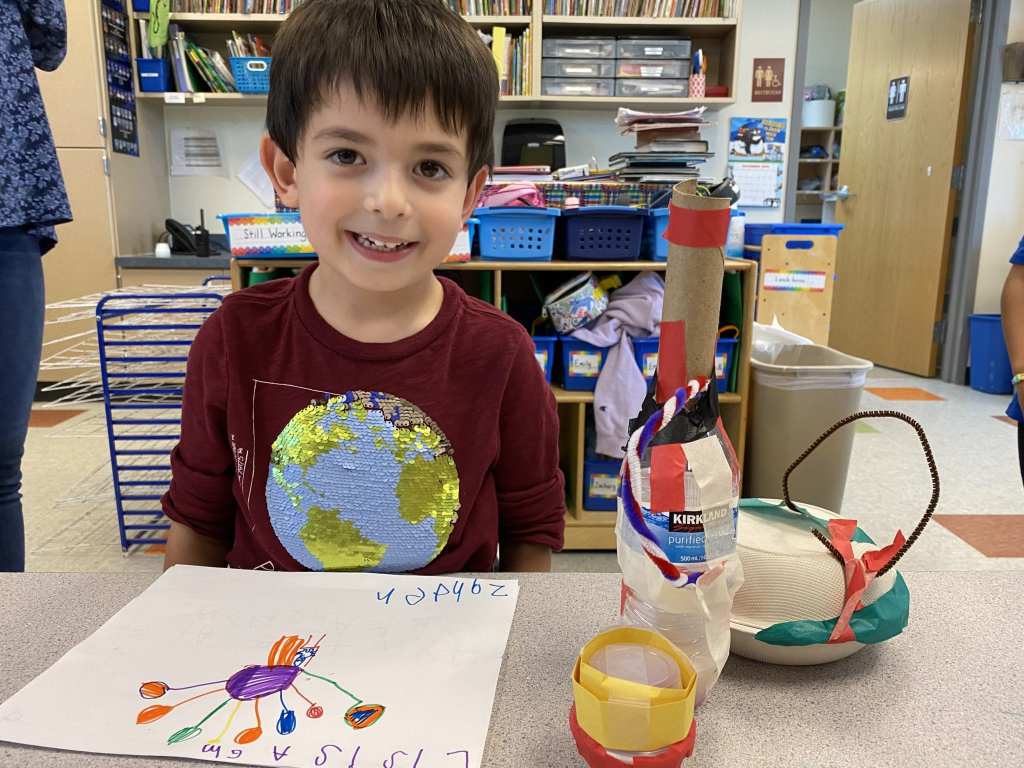
Project-based learning (PBL) is a student-centered teaching method that empowers students to actively engage in exploring real-world problems and challenges. This approach not only enhances students’ critical thinking skills but also promotes creativity, collaboration, and communication. By working on projects that have real-life relevance, students are motivated to delve deeper into the subject matter and develop a deeper understanding of the concepts being taught.
One of the key benefits of project-based learning is that it fosters a sense of ownership and agency among students. Instead of passively receiving information from a teacher, students take charge of their own learning by setting goals, planning their project activities, and reflecting on their progress. This level of autonomy instills a sense of responsibility and self-confidence in students as they navigate through the complexities of their projects.
Moreover, project-based learning encourages interdisciplinary connections by integrating various subjects into one cohesive project. Students have the opportunity to apply knowledge from different disciplines to solve complex problems, mirroring the interconnected nature of real-world challenges. This holistic approach helps students see the relevance and applicability of what they learn in school to everyday life, making education more meaningful and engaging.
Another significant advantage of project-based learning is its emphasis on collaboration and teamwork. Through working together on projects, students learn valuable interpersonal skills such as effective communication, conflict resolution, and shared decision-making. These soft skills are essential for success in both academic and professional settings, preparing students for future endeavors where teamwork plays a crucial role.
Furthermore, project-based learning caters to diverse learning styles by providing multiple entry points for student engagement. Visual learners can create infographics or presentations; kinesthetic learners can build physical prototypes or conduct experiments; auditory learners can record podcasts or oral presentations – the possibilities are endless. This flexibility ensures that all students can showcase their strengths while developing new skills throughout the course of a project.
In addition to promoting academic growth, project-based learning nurtures essential life skills such as problem-solving abilities, resilience in the face of setbacks, time management strategies, adaptability to changing circumstances – all vital competencies for navigating an increasingly complex world. By immersing themselves in hands-on projects that require critical thinking and innovative solutions, students become better equipped to tackle challenges beyond the classroom walls.
It’s important to note that teachers play a pivotal role in facilitating successful project-based learning experiences for their students. Educators serve as guides who provide scaffolding support when needed while encouraging independent inquiry and exploration. By cultivating a positive classroom environment where curiosity thrives and mistakes are viewed as opportunities for growth rather than failures, teachers empower students to take risks and push boundaries in pursuit of knowledge.
In conclusion,
project-based learning offers an enriching educational experience that goes beyond traditional textbook-driven instruction.
By embracing this dynamic approach,
students become active participants
in their own
learning journey,
equipped with
the tools needed
to thrive
in an ever-evolving world.
Through collaborative projects,
interdisciplinary connections,
and hands-on experiences,
students gain not only academic knowledge but also invaluable life skills
that will serve them well long after they leave the classroom.
As we continue
to explore innovative approaches
to education,
project-based learning stands out
as a transformative pedagogy
that prepares
students
for success
in today’s rapidly changing landscape
 Alternative Amie
Leave a comment