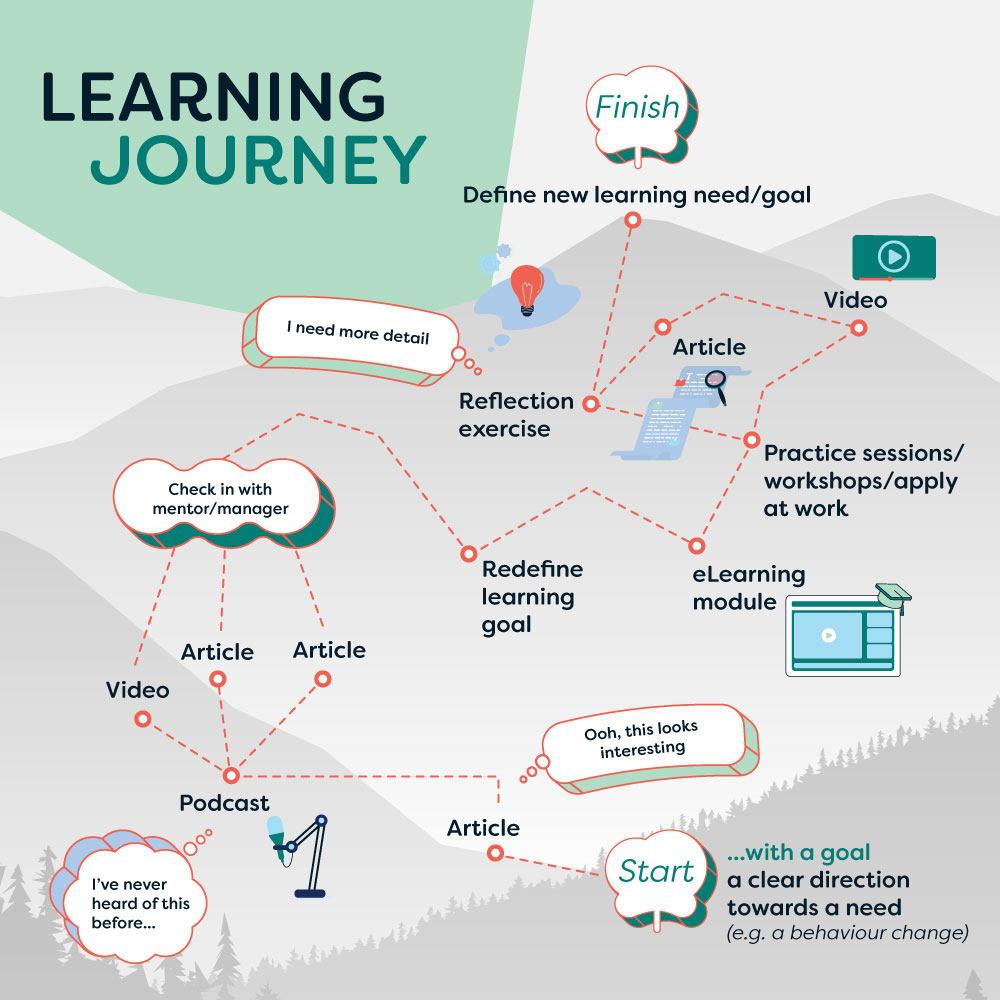
Unschooling, a form of alternative education that prioritizes self-directed learning and holistic personal development, offers a unique approach to education for teenagers. In unschooling, students take charge of their own learning journey by pursuing interests, passions, and curiosities in a non-traditional educational setting.
Independent learning projects play a crucial role in unschooling as they allow teens to delve deeply into subjects that captivate them. Whether it’s coding, creative writing, environmental science, or graphic design, these projects foster autonomy and passion-driven exploration.
Self-directed study skills are essential for unschooled teens to effectively manage their time and resources. Learning how to research independently, set goals, create study plans, and seek out mentors empowers students to take ownership of their education.
Community-based learning opportunities provide unschooled teens with real-world experiences outside the traditional classroom. Internships, volunteer work, apprenticeships, and community service projects offer valuable hands-on learning experiences while fostering social connections and networking opportunities.
Balancing socialization with academic pursuits is a key consideration for unschooled teenagers. Engaging in group activities like sports teams, clubs, community organizations, or co-op classes can help foster social skills while maintaining academic rigor.
Incorporating technology into unschooling allows teens access to vast resources online for research purposes or skill-building. Online courses platforms like Coursera or Khan Academy offer opportunities for structured learning on diverse topics.
Health and wellness education is an integral part of unschooling as it emphasizes the importance of physical health through activities like yoga classes or outdoor adventures such as hiking trips or nature-based workshops.
Parental involvement in unschooling varies depending on individual families but often includes supporting children’s interests through providing resources or connecting them with mentors in their fields of interest.
Transitioning from an unschooling environment to traditional schooling can be challenging for some teens. However,
building a portfolio showcasing independent projects
and experiences gained during unschooling can help demonstrate competencies when applying to colleges or universities.
Overall,
unschooling encourages creativity,
innovation,
critical thinking,
and lifelong learning habits that prepare teenagers not just academically but holistically for future endeavors.
 Alternative Amie
Leave a comment