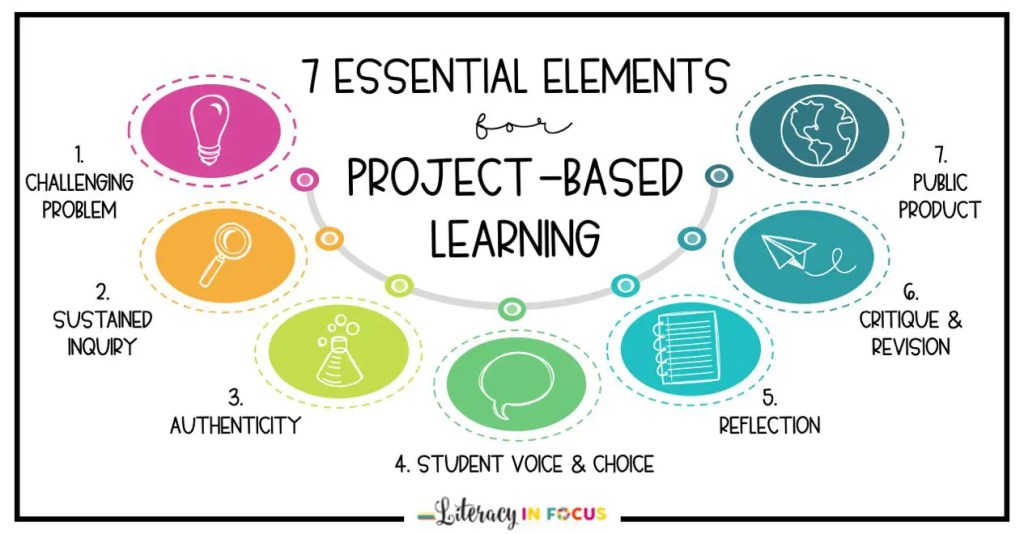
Project-based learning (PBL) is a dynamic approach to education that emphasizes real-world application of knowledge. In PBL, students work on projects that require them to investigate and solve complex problems, collaborate with peers, and present their findings. This hands-on method fosters critical thinking skills, creativity, and teamwork abilities. By engaging in PBL activities, students develop a deep understanding of the subject matter while also honing essential 21st-century skills such as communication and adaptability.
Experiential learning is another impactful educational strategy that focuses on direct experience as the primary tool for learning. Through hands-on activities, experiments, field trips, and internships, students can deepen their understanding of concepts by applying them in practical contexts. Experiential learning promotes active engagement and reflection, leading to a more profound grasp of knowledge compared to traditional classroom lectures alone.
Self-paced learning gives learners autonomy over their education by allowing them to progress through material at their own speed. This personalized approach accommodates individual learning styles and preferences while fostering self-discipline and time management skills. Self-paced learners have the flexibility to delve deeper into topics of interest or spend extra time on challenging concepts without feeling rushed or held back by rigid timelines.
Inquiry-based learning encourages curiosity-driven exploration where students formulate questions, conduct research, and draw conclusions based on evidence. This student-centered approach cultivates critical thinking skills as individuals learn how to ask meaningful questions and seek answers independently. By nurturing a sense of wonder and discovery in learners, inquiry-based learning promotes lifelong intellectual curiosity.
Gamification in education leverages game elements such as competition, rewards, challenges, and storytelling to enhance engagement and motivation in the learning process. By incorporating gaming principles into educational activities like quizzes, simulations, or interactive exercises, educators can make lessons more enjoyable while reinforcing content retention. Gamification also provides instant feedback mechanisms that help students track their progress and identify areas for improvement.
Personalized learning plans tailor educational experiences to meet the unique needs of each learner based on factors such as interests,
learning styles,and skill levels.Personalized plans may involve customized curriculum pathways,assignments,and assessments designed
to maximize individual growth.Promoting student agency,self-efficacy,and intrinsic motivation,personalized plans empower learners
to take ownership of their education journeywhile receiving targeted support from teachers or mentors when needed.
Peer-to-peer teaching involves students instructing one another,supporting collaborative knowledge exchange within classrooms or
learning communities.This approach not only reinforces mastery of subjects for both teachersand learners but also enhances interpersonal skills,
communication abilities,and empathy among participants.By explaining concepts,demonstrating techniquesor offering guidance,
peer educators deepen their own understandingwhile helping peers succeed academically.
Outdoor education integrates nature exploration,outdoor activities,and environmental studies into curricula,enabling immersive experiential
learning experiences beyond traditional classroom settings.Students engage with natural environments firsthand,gaining ecological awareness,
teamwork capabilities,risk assessment skills,and an appreciation for sustainability.Outdoor education fosters holistic development by encouraging
physical activity,mindfulness practices,critical thinking,inquiry-based investigationsand emotional well-being.
Homeschooling resources offer parents guidance materials,courses,support networks,and toolsfor educating children outside conventional
school systems.As families choose homeschoolingfor various reasonslike customization flexibilityor philosophical alignment,homeschool resources
play a vital role in ensuring academic rigor,socialization opportunitiesand compliance with regulations.Parents can access curriculum packages,
online platforms,tutoring services,parent-led co-opsand extracurricular programs tailoredto homeschool settings,to cultivate diverse
educational experiences for their children.
Unschooling philosophy advocates child-directed autonomouslearningwherein individuals pursueinterests,follow curiosities,and engage with real-worldexperienceswithout formal structureor prescribed curricula.Unschoolers prioritize freedomof choice,self-motivation,collaborative problem-solvingand life-long skill acquisitionwithin supportive homeenvironments.Unlike traditional schooling modelsunschooling encouragescontinuous explorationcreativity,independence,resilienceas well as social-emotional intelligencegrowth through authentic livedexperiences.
Montessori method emphasizes self-directed,research-basededucation rooted ingrained respectfor children’s innatecuriosity,independence,self-regulationskills.The Montessori environmentfosters independencefreedomof choice,responsibilitythrough purposefulactivitieswith speciallydesignedmaterials.Teachers observe guideindividualprogress,promote peer collaborationsince-learning opportunitieswithin mixed-ageclassrooms.Montessori method nurturesself-confidence,motivation,cognitive developmentandsocial-emotional well-beingby honoring eachchild’s unique developmentaljourney,wisdom,buddhism.
Waldorf education approach prioritizes holisticdevelopment,nurturing imaginationartistic expressionalongside academicsubjects.Through creative artsintegration,music,dance,drama,Waldorf schoolsaimtocultivatecritical thinkingempathycommunity spiritamongstudents.The Waldorfcurriculumfollowsa rhythmicstructureincorporating handson projectsmulti-sensoryexperiencesto fosterintellectual growthaesthetic appreciation.Waldorf educatorsvalue playbased learningsocial emotionalintelligenceto preparestudents fora balancedwell-roundedlife.
Reggio Emilia approach originatedinItalyfocuseson child-ledprojectsinquiryexplorationdocumentedthrough visualrepresentationcollaborativeportfolio-building.Reggio Emiliainspiredschools valuechildren’s rightsco-constructive dialogueself-expressionas integral partsof educationsystems.Teacher
 Alternative Amie
Leave a comment