Gamification in blended learning is a powerful tool that educators can utilize to increase student engagement and motivation. By incorporating elements of game design, such as points, badges, leaderboards, and rewards, teachers can create a more interactive and enjoyable learning experience for their students. Gamification not only makes learning fun but also helps students stay focused and motivated to complete tasks.
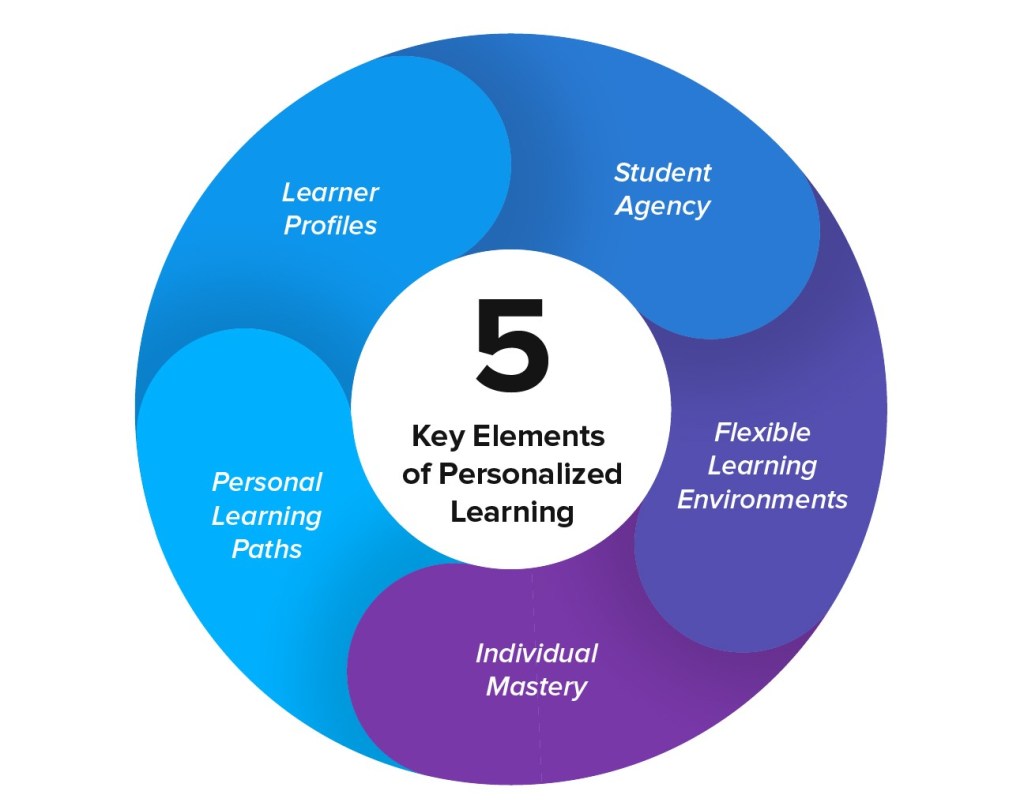
Personalized learning paths are another key aspect of blended learning that allows students to progress at their own pace and focus on areas where they need the most help. Through the use of technology, teachers can tailor instruction to meet the individual needs of each student, providing them with personalized resources and activities that cater to their unique learning styles.
Peer-to-peer collaboration is an essential component of blended learning that promotes teamwork and communication skills among students. By working together on group projects or assignments, students can learn from one another and develop important social skills that will benefit them both inside and outside the classroom.
Project-based learning in a blended format encourages students to apply their knowledge and skills to real-world problems or challenges. By engaging in hands-on projects that require critical thinking and creativity, students can deepen their understanding of concepts while developing valuable problem-solving abilities.
Virtual field trips offer students the opportunity to explore new places and cultures without ever leaving the classroom. Through virtual reality technology or online platforms, teachers can take their students on immersive journeys around the world, providing them with enriching experiences that enhance their global awareness.
Differentiated instruction techniques allow teachers to address diverse student needs by adjusting content, process, or product based on individual readiness levels or interests. This approach ensures that all learners are appropriately challenged and supported in their academic growth.
Using social media for educational purposes enables teachers to connect with students outside of traditional classroom settings. Platforms like Twitter or Instagram can be used to share resources, facilitate discussions, or showcase student work – creating a more dynamic and collaborative learning environment.
Flipped classroom models invert traditional teaching methods by delivering instructional content online outside of class time while using face-to-face interactions for activities like group work or project-based learning during class time. This approach allows for more personalized instruction tailored to individual student needs.
Blended learning for students with special needs provides customized support through assistive technologies or alternative instructional strategies designed to meet diverse learner requirements effectively. It ensures inclusivity within the educational framework by offering flexible pathways for all learners’ success.
Professional development for teachers in blended learning environments is crucial for enhancing educators’ digital literacy skills and pedagogical practices necessary for effective implementation of technology-enhanced teaching methods. Ongoing training equips instructors with tools needed for adapting curriculum delivery methods efficiently.
Utilizing open educational resources (OER) offers cost-effective alternatives for accessing high-quality educational materials available online freely. Teachers can incorporate these resources into lesson plans effectively while promoting equitable access across diverse learner populations without financial constraints.
Assessment strategies in blended learning settings should align with course objectives while leveraging various assessment types like quizzes,
essays,tasks,and reflections formative assessments provide continuous feedback allowing
students improve performance progressively summative assessments evaluate overall
learning outcomes accurately complementary combination fosters holistic evaluation method
Culturally responsive teaching in a blended context acknowledges diversity respects cultural backgrounds integrates inclusive perspectives into curriculum design establish multicultural dialogue promote equity fairness opportunities learners
Student engagement techniques in online components contribute active participation maintain motivation sustain interest topics encourage interaction peers foster collaborative spirit peer feedback discussion forums Q&A sessions polls surveys gamified elements keep learners engaged
Parent involvement communication play significant roles supporting children’s education home setting parents caregivers actively engage communicate educators monitor progress provide insights challenges successes reinforce positive attitudes towards lifelong earning
Data-driven decision making integrated into instructional processes enables educators analyze performance trends identify areas improvement personalize interventions enhance overall teaching effectiveness utilization data analytics software systems streamline information management ensure informed decisions drive positive outcomes
Balancing screen time hands-on activities essential maintaining healthy digital lifestyle physical well-being excessive device usage may lead negative health effects encourage breaks exercises outdoor recreational pursuits promote holistic development individuals enhanced productivity focus achieve optimal results academically personally professionally
Integrating mindfulness practices into online leaning cultivates self-awareness emotional regulation stress reduction mental clarity amidst fast-paced virtual environments breathing exercises meditation relaxation techniques enhance concentration attention span resilience adaptability coping mechanisms empower individuals navigate challenges uncertainties confidently
Building digital literacy skills through blend approaches equips learners navigating information age proficiency technological tools critical thinking web searching evaluating credibility sources protecting privacy security fostering responsible citizenship digital era prepare success future workforce society
Hybrid schedules flexible earning options accommodate varying preferences schedules optimize balance face-to-face remote earnings synchronous asynchronous modalities enable customizing experiences suit individual learner needs maximize potential academic achievement fulfillment leverage innovative technologies adaptive methodologies deliver personalized quality education every studen
 Alternative Amie
Leave a comment