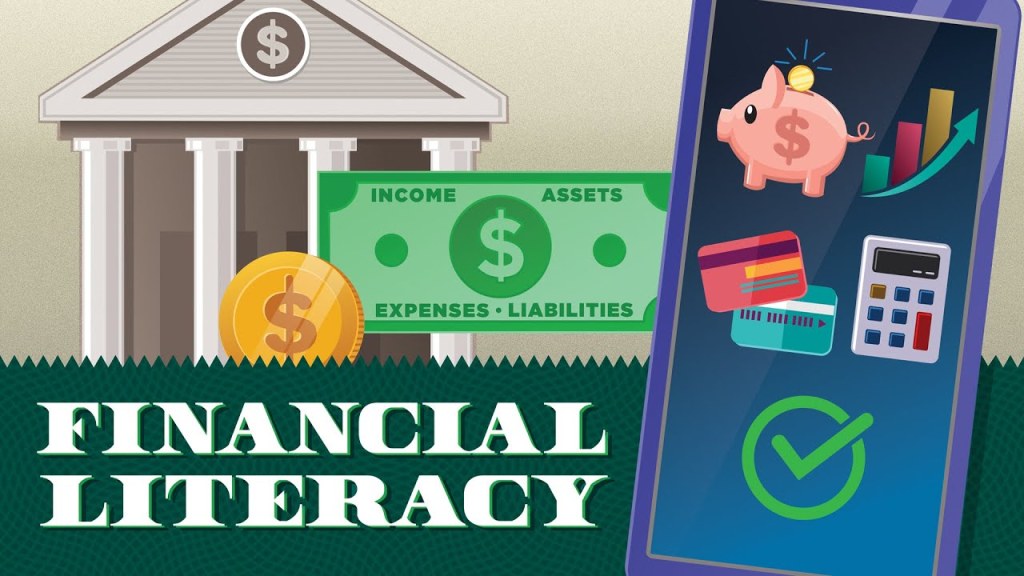
Financial literacy is an essential life skill that children should learn from a young age. Teaching kids about money management, saving, budgeting, and investing can set them up for a successful financial future. In today’s world where consumerism is rampant and financial decisions are increasingly complex, it’s more important than ever to empower our children with the knowledge and skills to make sound financial choices.
Here are some key strategies to help parents and educators teach financial literacy to kids effectively:
1. Start Early:
Introducing basic concepts of money early on can lay a strong foundation for financial literacy. Even preschoolers can grasp simple ideas like the value of coins or distinguishing between needs and wants. Use play money or real coins during pretend play activities to familiarize them with currency.
2. Make it Fun:
Learning about finance doesn’t have to be boring! Incorporate games, activities, and interactive tools to make it engaging for kids. Board games like Monopoly or The Game of Life can teach valuable lessons about managing money in a fun way.
3. Set an Example:
Children often learn by observing their parents’ behavior. Show good money habits yourself by explaining your spending choices, saving goals, and budgeting strategies transparently with your kids. This will instill positive attitudes towards money management in them.
4. Teach Budgeting:
Help your child understand the concept of budgeting by giving them opportunities to manage their own finances within limits you set. Encourage them to allocate portions of their allowance towards different categories such as savings, spending, and charity.
5. Savings Goals:
Teach the importance of setting savings goals early on. Whether it’s saving up for a toy they want or putting aside money for long-term goals like college or buying a car, having specific objectives can motivate children to save consistently.
6. Allowance System:
Consider implementing an allowance system where children receive regular pocket money in exchange for completing chores or tasks at home. This hands-on approach teaches responsibility and helps kids understand the value of earning money through work.
7.Avoid Impulse Buying
Encourage critical thinking when it comes to purchases by discussing needs versus wants before making buying decisions.Children should understand that not every desire has immediate gratification
8.Teach Investing Basics:
Introduce the concept of investing in stocks or bonds as your child grows older and shows interest in learning more about how money works beyond basic saving habits.Explore resources designed specifically for teaching investment basics tailored toward young learners
9.Discuss Credit & Debt:
As kids mature into teenagers, introduce topics like credit cards, loans,and debt responsibly.Help them understand how borrowing works,the importance of maintaining good credit scores,and consequences associated with excessive debt
10.Learn Together:
Educating yourself alongside your child about personal finance topics opens up avenues for shared learning experiences.Whether reading books on financial literacy together,writing out household budgets collaboratively or attending workshops as a family,it reinforces practical application methods while strengthening family connections around this crucial topic
11.Seek Educational Resources:
Utilize online resources,games,and apps specifically designed to teach financial literacy skills.These platforms offer interactive ways for children to learn about managing finances effectively.Explore educational websites,blogs,podcasts,youtube channels dedicated solely toward kid-friendly financial education content
12.Community Involvement:
Engage with community programs,schools,and organizations that promote financial education initiatives.Attending workshops hosted by local banks,collaborating with school-based programs focusing on economics,money management seminars targeted toward youth enhances exposure levels surrounding these critical life skills
By incorporating these strategies into daily routines,parental guidance,school curriculum offerings,kids develop solid foundations in understanding prudent monetary practices.Financial literacy paves paths towards lifelong success,enabling individuals equipped with essential tools required navigating economic landscapes confidently from early stages well into adulthood.
 Alternative Amie
Leave a comment