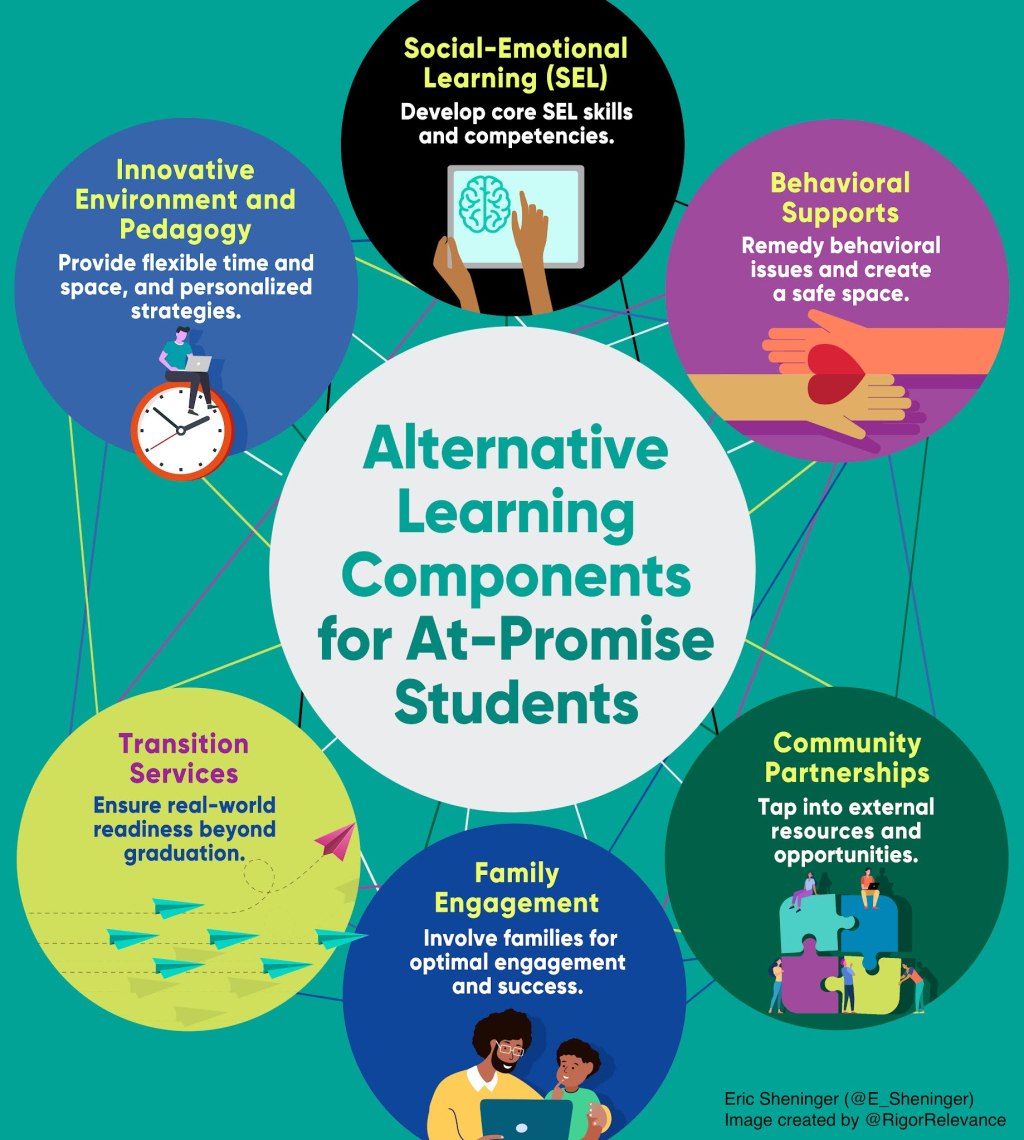
Choosing the right educational approach for your child is a decision that can have a significant impact on their development and learning journey. While traditional schooling methods have been the norm for many years, there is a growing interest in alternative education models that offer unique and innovative ways of teaching and learning. In this article, we will explore 8 alternative education approaches that prioritize creativity, independence, and holistic development.
1. Unschooling:
Unschooling is a non-traditional approach to education where children are encouraged to learn through self-directed activities and experiences rather than following a set curriculum. Advocates of unschooling believe that children are natural learners who thrive when given the freedom to explore their interests at their own pace. This approach emphasizes hands-on learning, real-world experiences, and individualized instruction tailored to each child’s unique strengths and passions.
2. Forest Schools:
Forest schools provide an outdoor learning environment where students engage with nature through hands-on activities such as exploring the forest, building shelters, identifying plants and animals, and practicing survival skills. This approach aims to foster environmental stewardship, physical health, creativity, problem-solving abilities, and emotional well-being through immersive experiences in natural settings.
3. Montessori Method:
The Montessori method was developed by Dr. Maria Montessori and focuses on creating a prepared environment that promotes independence, self-discipline, critical thinking, collaboration, and respect for others. Montessori schools use specially designed materials that encourage sensory exploration and hands-on learning in areas such as math, language arts, practical life skills, sensorial activities, cultural studies, and more.
4. Reggio Emilia Approach:
The Reggio Emilia approach originated in Italy after World War II and emphasizes student-led projects based on their interests within a supportive community setting. This approach values creativity,
collaboration among students,
teachers,
and parents,
the use of multiple forms of expression (such as art,
music,
drama),
and documentation of student work to track progress
and reflect on learning processes.
Reggio Emilia classrooms are known for their open-ended materials
and emphasis on symbolic languages like drawing
or sculpting.
This creates opportunities for authentic self-expression
and exploration
5.Project-Based Learning:
Project-based learning (PBL) is an instructional methodology where students work collaboratively on projects over an extended period to investigate real-world problems or challenges.
Through PBL
students develop critical thinking skills
creativity
communication
collaboration while gaining deep knowledge about specific topics or issues.
6.Waldorf Education: Waldorf education was founded by Rudolf Steiner with an emphasis on nurturing imagination
7.Experiential Learning: Experiential Learning involves hands-on
8.Self-Directed Learning: Self-Directed Learning empowers students to take control of their own education journey
In conclusion Alternative Education Models offer diverse approaches tailored towards different learners’ needs ensuring they receive holistic development opportunities beyond conventional teaching methods
 Alternative Amie
Leave a comment