Traveling is a wonderful opportunity to explore new places, experience different cultures, and create lasting memories. For families who practice alternative schooling and education methods, hitting the road can also present unique opportunities for learning outside of traditional classroom settings. Whether you are embarking on a short road trip or a long-term journey, finding educational resources on the road can enrich your child’s learning experience and provide valuable hands-on lessons that cannot be found in textbooks alone.
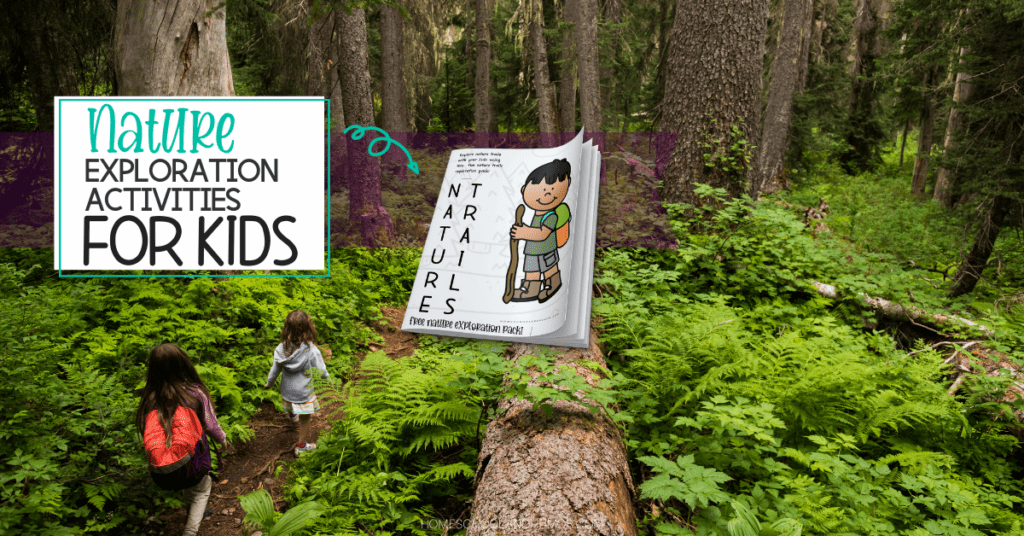
One of the most accessible resources while traveling is nature itself. National parks, botanical gardens, beaches, forests, and other natural landscapes offer endless possibilities for exploration and discovery. Encourage your children to observe local flora and fauna, study geological formations, learn about ecosystems, and engage in outdoor activities like hiking or bird watching. Many national parks offer ranger-led programs tailored to different age groups that provide educational insights into the park’s history, wildlife conservation efforts, and environmental significance.
Additionally, historical sites are excellent educational resources that bring history to life for children. Visiting museums, monuments, battlefields, ancient ruins, or cultural landmarks can help kids develop a deeper understanding of past events and societal developments. Encourage them to ask questions, read plaques or informational signs aloud together as a family group activity during visits.
Local communities also offer rich opportunities for cultural immersion and experiential learning while traveling. Attend festivals celebrating music or art forms specific to the region you’re visiting; participate in workshops led by local artisans or craftsmen; taste regional cuisine at farmer’s markets or food festivals; interact with locals through language exchanges; volunteer at community projects such as beach clean-ups or tree planting initiatives.
Libraries are often overlooked gems when it comes to finding educational resources on the road – many public libraries have extensive collections of books covering various subjects suitable for all ages. Additionally some libraries host storytelling sessions for young children which can introduce them to classic literature from around the world.
Technology has made accessing educational materials easier than ever while traveling – utilize digital tools such as educational apps designed specifically for on-the-go learning experiences across disciplines ranging from math to geography to creative writing exercises.
Social media platforms like Facebook groups dedicated to homeschooling families who travel may provide recommendations on hidden gem locations ideal for education-based adventures geared towards those individuals seeking alternative schooling options (such as unschoolers).
If you prefer structured educational materials while traveling consider using online platforms offering courses covering diverse subjects at varying levels of difficulty – these could range from free interactive tutorials available via YouTube channels specializing in science experiments done outdoors accompanied by explanations provided verbally within video content segments where viewers follow along performing actions themselves out there too!
Overall remember that every moment during travels offers an opportunity for learning – encourage curiosity among your children by fostering their interest in exploring new environments engaging with locals trying authentic dishes attending cultural events observing wildlife bonding with fellow travelers sharing stories around campfires under starry skies – all these experiences contribute towards holistic education not confined within four walls but rather extending beyond borders irrespective geographical boundaries being crossed time again!
 Alternative Amie
Leave a comment