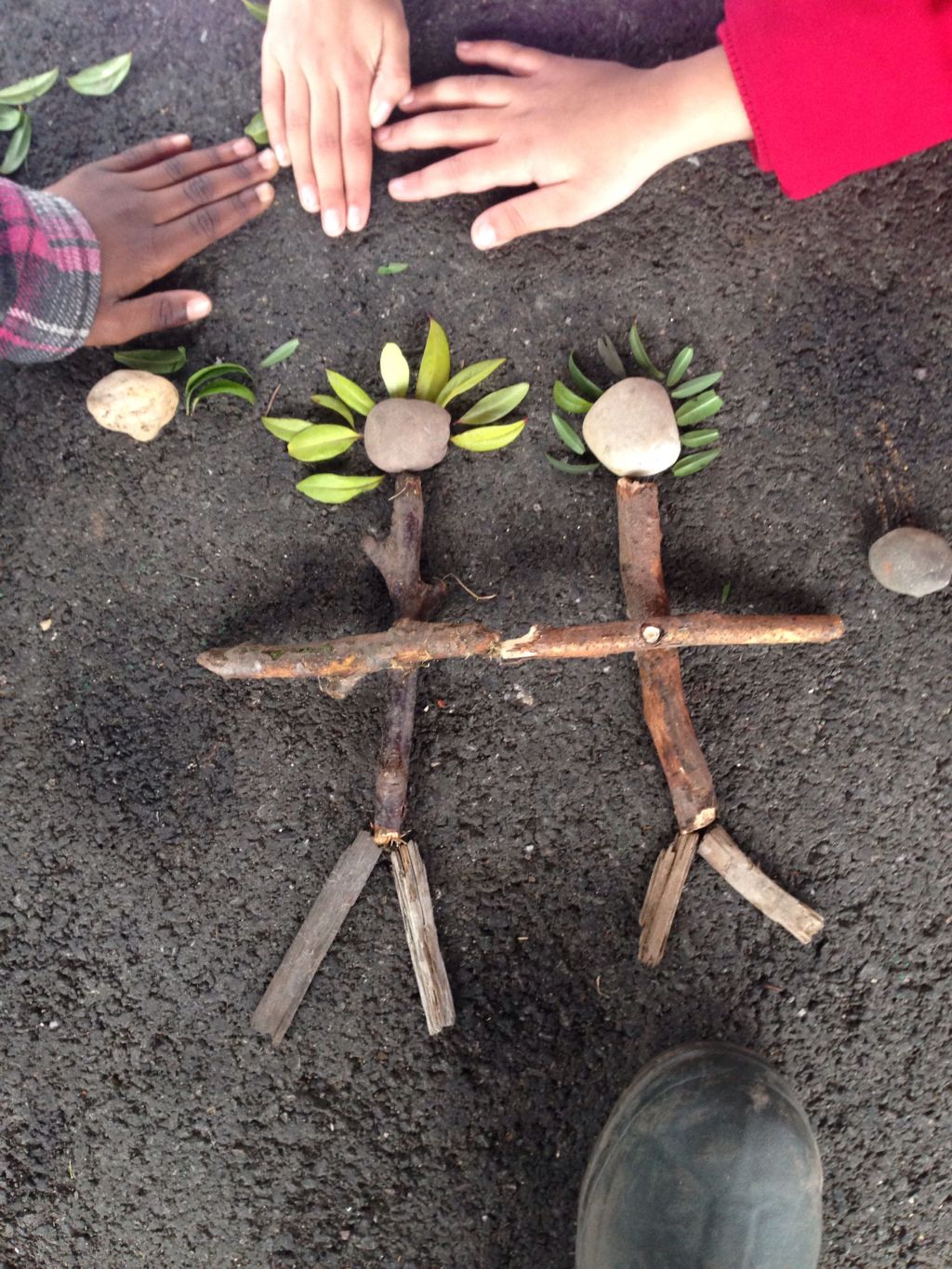
Nature deficit disorder is a term coined by Richard Louv in his book “Last Child in the Woods,” which highlights the disconnect between children and the natural world, leading to a range of behavioral and health issues. Forest schools aim to combat this phenomenon by immersing students in outdoor environments, allowing them to engage with nature through play and exploration.
One key aspect of forest schools is the promotion of risky play. In these settings, children are encouraged to take risks such as climbing trees, building fires, or exploring uneven terrain. Research has shown that engaging in risky play can help children develop important life skills such as risk assessment, problem-solving, and resilience.
Curriculum development in forest schools focuses on hands-on learning experiences that prioritize environmental education and fostering a sense of connection to the natural world. Lessons often include activities like plant identification, animal tracking, and outdoor survival skills.
Assessment methods in forest schools differ from traditional academic evaluations. Instead of standardized tests, teachers may use observation checklists, reflective journals, or project-based assessments to measure student progress and growth.
Inclusivity and diversity are essential considerations for forest schools to ensure that all children have equal access to nature-based education. Efforts are made to accommodate diverse learning styles and backgrounds while creating a welcoming environment for students from various cultural backgrounds.
Teacher training challenges in forest schools revolve around equipping educators with the necessary outdoor education skills while also meeting curriculum requirements. Professional development opportunities focusing on nature-based teaching strategies can help address these challenges.
The impact of technology on forest schools is a topic of debate within the field. While some argue that technology can enhance learning experiences by incorporating digital tools into outdoor lessons, others advocate for limiting screen time and prioritizing hands-on interactions with nature.
Funding issues present a significant barrier for many forest schools looking to expand their programs or improve facilities. Securing grants or forming partnerships with local businesses or organizations can help alleviate financial constraints.
Research gaps exist in understanding the long-term effects of forest school participation on academic performance, mental health outcomes, and overall well-being. More studies are needed to provide evidence-based support for the benefits of nature-based education.
Parent involvement is crucial for the success of forest school programs as it fosters a strong partnership between home and school environments. Parents may participate in outdoor activities alongside their children or contribute resources towards program sustainability.
The mental health benefits of forest schools are well-documented; spending time outdoors has been linked to reduced stress levels, improved mood regulation, increased physical activity levels, and enhanced cognitive function among students.
Sustainability practices are integral components of forest school operations aimed at minimizing environmental impact through recycling initiatives, energy conservation measures,
and eco-friendly resource management strategies.
Animals play an essential role in forest school settings by providing opportunities for wildlife observation,
animal care activities,
and lessons about biodiversity conservation.
Partnerships with local communities enhance
forest school programs by promoting community engagement,
providing access
to additional resources,
and fostering connections between students
and their surrounding environment.
Outdoor cooking is a popular activity
in many forest schools as it teaches valuable culinary skills,
promotes teamwork among students,
and encourages an appreciation
for preparing food using natural resources.
Forest school impact on academic performance suggests that exposure
to outdoor learning environments enhances cognitive development,
problem-solving abilities,
creativity,and critical thinking skills among participants.
Incorporating indigenous knowledge intoforest school curricula acknowledgesthe wisdomof local Indigenouscommunities regarding sustainable land stewardship practices,respectful relationshipswithnature,and traditional ecological knowledge.
Program evaluation efforts focuson assessingthe effectivenessofforestschool initiativesthroughmeasuringstudent outcomes,parent feedback,schoolpartnership satisfaction,andoverall programimpactstoensurecontinuous improvementandinformed decision-makingforfuture planninganddevelopment initiatives.
Overall,fosteringsustainableforestschoolprogramsrequiresa holistic approachthat addressesacademic,social-emotional,andenvironmentaleducationgoalswhilenurturinga deepappreciationforthenaturalworldamongstudents,families,andeducatorsalike
 Alternative Amie
Leave a comment