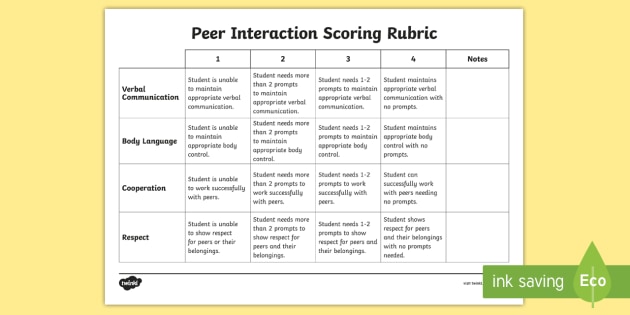
Peer assessment is a valuable tool in project-based learning that can enhance students’ understanding of the material, improve their critical thinking skills, and foster collaboration among peers. By involving students in the evaluation process, peer assessment empowers them to take ownership of their learning and provides them with valuable feedback from multiple perspectives.
Here are some key benefits of incorporating peer assessment into project-based learning:
1. **Promotes active engagement**: Peer assessment encourages students to actively engage with their classmates’ work and think critically about the criteria for success. This not only deepens their understanding of the subject matter but also cultivates a sense of responsibility towards their own learning.
2. **Encourages constructive feedback**: Through peer assessment, students learn how to provide constructive feedback to their peers. This helps them develop communication skills and empathy while also honing their ability to evaluate others’ work objectively.
3. **Fosters collaboration**: Peer assessment fosters a collaborative environment where students can learn from each other’s strengths and weaknesses. By working together to assess each other’s projects, students can leverage diverse perspectives and pool their knowledge to create more comprehensive evaluations.
4. **Develops critical thinking skills**: Evaluating someone else’s work requires students to think critically about the quality of the project, identify areas for improvement, and justify their assessments with evidence. This process helps sharpen their analytical skills and teaches them how to make informed judgments based on clear criteria.
5. **Enhances self-assessment abilities**: Engaging in peer assessment also improves students’ ability to self-assess their own work objectively. By seeing examples of good practice (and not-so-good practice) from their peers, students can better understand what constitutes high-quality work and apply these insights when evaluating their own projects.
To effectively integrate peer assessment into project-based learning, consider the following best practices:
– Clearly define evaluation criteria: Provide students with clear guidelines on what aspects of the project they should focus on during the assessment process.
– Train students on giving feedback: Offer guidance on how to deliver constructive criticism respectfully and effectively.
– Use rubrics: Utilize rubrics or scoring guides that outline performance expectations for each criterion to ensure consistency in evaluations.
– Encourage reflection: Prompt students to reflect on both the feedback they receive from peers and the insights gained through assessing others’ work.
– Monitor progress: Regularly check in on student assessments to ensure fairness and address any issues that may arise during the process.
In conclusion, peer assessment is a powerful tool that can enrich project-based learning experiences by promoting active engagement, fostering collaboration, developing critical thinking skills, enhancing self-assessment abilities, and encouraging constructive feedback among peers. By incorporating peer assessment into your teaching practices thoughtfully and consistently, you can empower your students as independent learners who take responsibility for their own growth and development in an educational setting that values cooperation over competition.
 Alternative Amie
Leave a comment