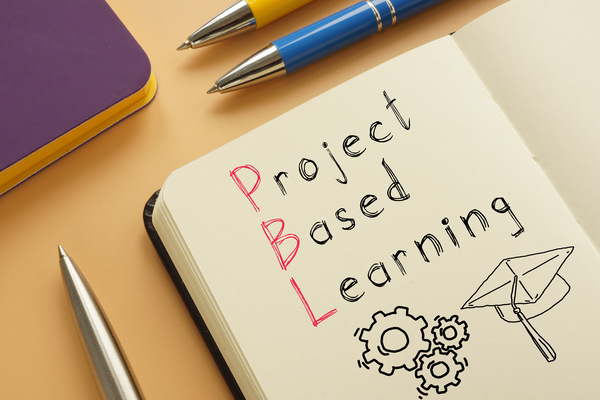
Project-based learning (PBL) is an innovative and student-centered approach to education that emphasizes real-world applications of knowledge and skills. In this model, students work on projects over an extended period of time to investigate and respond to complex questions, problems, or challenges. PBL shifts the focus from teacher-led instruction to student-driven inquiry, collaboration, critical thinking, and problem-solving.
One of the key benefits of project-based learning is its ability to engage students in meaningful and authentic tasks that mirror the complexities of the real world. By working on projects that require them to apply their knowledge and skills in practical contexts, students develop a deeper understanding of content and concepts. This hands-on approach fosters curiosity, creativity, and motivation as students take ownership of their learning experiences.
Furthermore, project-based learning promotes interdisciplinary connections by integrating various subjects into a cohesive project. Students have the opportunity to see how different disciplines intersect and interact in solving complex problems or addressing real-world issues. This holistic approach encourages learners to make connections between different areas of study and apply their knowledge in diverse contexts.
Collaboration is another integral component of project-based learning. Students often work in teams or groups to plan, research, design, create, and present their projects. Through collaboration, students learn valuable interpersonal skills such as communication, teamwork, conflict resolution, leadership, and empathy. These essential soft skills are crucial for success both in school and in future careers.
In addition to fostering academic skills and social-emotional development, project-based learning also nurtures critical thinking abilities. By engaging with open-ended questions or challenges within their projects, students learn how to analyze information critically; evaluate multiple perspectives; make informed decisions; solve problems creatively; and reflect on their own learning processes.
Another advantage of project-based learning is its capacity to promote intrinsic motivation among learners. When students are actively involved in designing their own projects based on personal interests or passions – rather than passively receiving assignments from teachers – they are more likely to be motivated intrinsically by a sense of autonomy,
mastery,
and purpose.
This intrinsic motivation fuels
their engagement
and perseverance throughout the duration
of the project.
As a result,
students become more self-directed learners who are eager
to explore new ideas,
take risks,
and persist through challenges.
Moreover,
project-based learning encourages reflection as an essential part
of the learning process.
Students regularly reflect
on their progress,
struggles,
achievements,
and growth during each phase
of a project.
Through reflection,
learners gain insight into themselves as learners;
identify areas for improvement;
celebrate successes;
and set goals for future projects.
This metacognitive practice enhances self-awareness;
self-regulation;
and goal-setting skills
that are transferable beyond the classroom setting.
When implemented effectively,
project-based learning can cater
to diverse learner needs;
abilities;
interests;
learning styles; backgrounds;
and strengths.
Teachers can differentiate instruction within PBL units by offering choices regarding topics;
roles within groups;
resources available for research or creation; presentation formats; assessment methods;”
or scaffolding support based on individual student needs.
This personalized approach ensures that all students can access challenging yet achievable tasks within collaborative settings while receiving appropriate guidance”
mentoring,”
feedback,”
and support from teachers.”
Additionally,”
the flexibility inherent”in”project-“based”learning allows educators”to incorporate technology,”community resources,”guest speakers,”field trips,”or other outside experts”into”PBL units”to enhance authenticity”value;”relevance;”diversity;”complexity;”or real-“world connections.”
Overall,”
project-“based”learning offers”a dynamic alternative”to traditional instructional models by emphasizing active exploration;”
discovery;”
creativity;”
collaboration;”
critical thinking;”reflection;”
authentic application;”interdisciplinary connections;”
personalization”
student empowerment.”
By engaging”in authentic””
meaningful””
relevant””
real-“”world projects,”
students develop essential 21st-century competencies”
skills that will prepare them successfully for higher education”
careers”
global citizenship.”
 Alternative Amie
Leave a comment