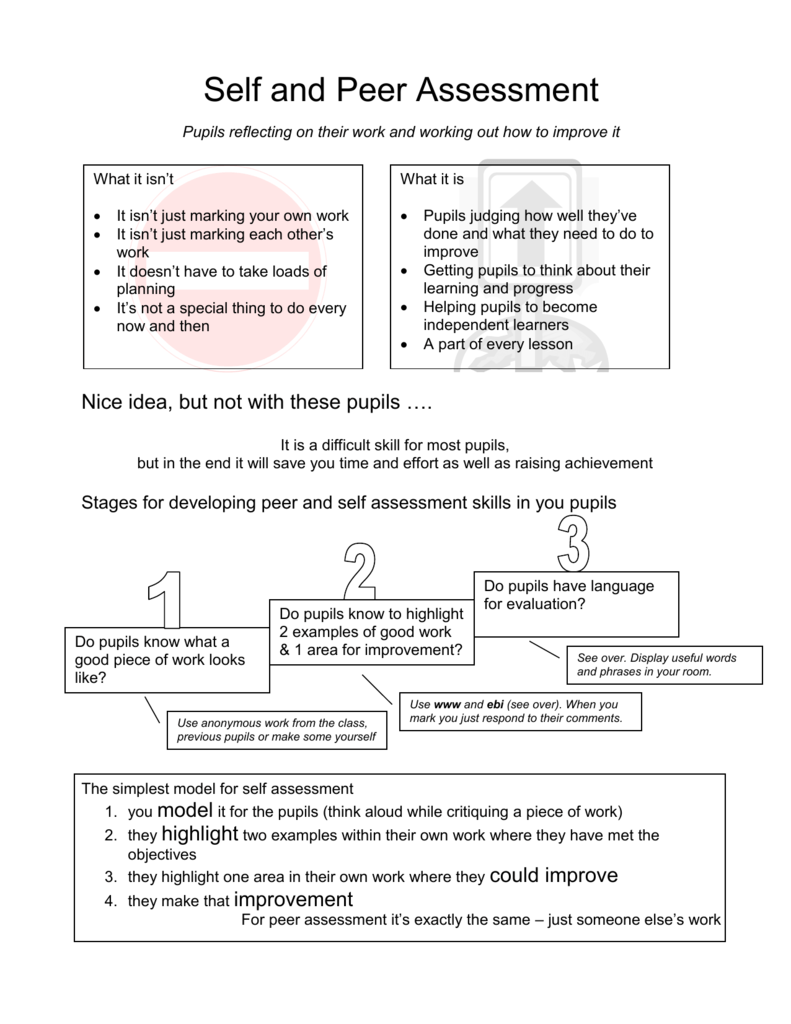
Peer assessment is a valuable tool for social skills development in alternative schooling and education settings. By allowing students to evaluate their peers’ social interactions, communication abilities, and teamwork skills, peer assessment not only provides constructive feedback but also fosters a sense of community and collaboration within the classroom.
One of the key benefits of peer assessment for social skills development is that it offers a unique perspective that may differ from traditional teacher evaluations. Peers are often more attuned to each other’s behaviors and communication styles, providing insights that teachers may not always catch. This can be especially beneficial for students who struggle with self-awareness or have difficulty recognizing their own strengths and weaknesses in social situations.
Additionally, peer assessment encourages active engagement among students as they observe and analyze their classmates’ behavior. This process promotes empathy, understanding, and critical thinking as students learn to consider different perspectives and provide thoughtful feedback. Through this collaborative approach, students can develop essential social skills such as effective communication, conflict resolution, empathy, and cooperation.
Moreover, peer assessment helps create a supportive learning environment where individuals feel empowered to both give and receive feedback constructively. By participating in the evaluation process themselves, students become more invested in their own growth and development. They take ownership of their learning journey by actively engaging with their peers’ progress while reflecting on their own areas for improvement.
Incorporating peer assessment into social skills development also aligns with the principles of student-centered learning. Instead of relying solely on external evaluations or assessments by teachers, students are encouraged to take an active role in shaping their educational experience. This shift empowers them to become more independent learners who can assess themselves critically while building meaningful relationships with their peers.
Furthermore, peer assessment facilitates the development of important life skills such as giving and receiving feedback gracefully. Through regular practice of providing constructive criticism sensitively yet effectively, students hone their ability to communicate openly and respectfully—a crucial skill set that extends beyond the classroom into future professional environments.
To maximize the effectiveness of peer assessment for social skills development in alternative schooling settings, educators should establish clear guidelines and criteria for evaluation. Providing training on how to deliver feedback constructively can help ensure that assessments are fair, objective, and focused on growth rather than comparison or competition.
Additionally, fostering a culture of trust and respect within the classroom is essential for promoting healthy relationships among peers during the evaluation process. Encouraging open communication channels where concerns can be addressed transparently helps prevent misunderstandings or conflicts from arising due to differing opinions during assessments.
In conclusion,
peer assessment is a powerful tool for enhancing social skills development in alternative schooling environments.
By encouraging collaboration,
critical thinking,
and self-reflection among students,
peer assessment fosters a holistic approach to education
that prioritizes interpersonal growth alongside academic achievement.
Through regular engagement with this evaluative process,
students not only improve
their social competencies but also cultivate empathy,
communication proficiency,
and conflict resolution strategies
that will serve them well beyond the confines of formal education.
As educators continue
to explore innovative approaches
to nurturing well-rounded individuals within alternative schooling contexts,
peer assessment stands out as an invaluable practice that empowers students
to navigate complex social dynamics confidently
and compassionately throughout their lives.
 Alternative Amie
Leave a comment