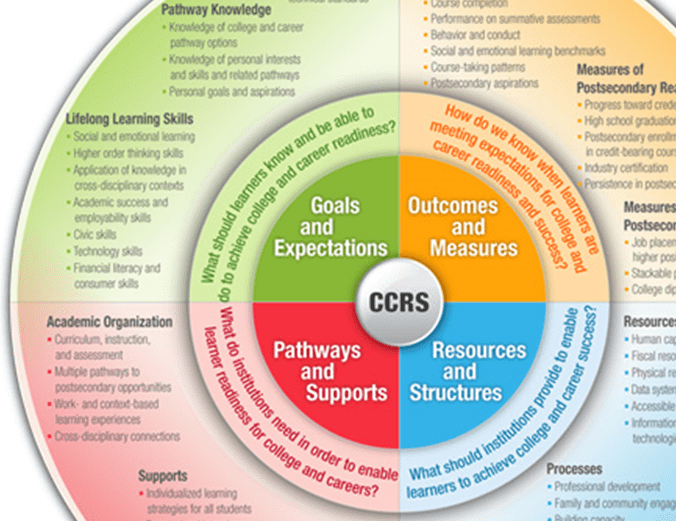
Dual enrollment is a valuable opportunity for students to earn college credit while still in high school, and it can have a significant impact on their social skills development. By taking classes with college students, high schoolers are exposed to a more diverse learning environment that helps them build communication, teamwork, and leadership skills. This experience can enhance their ability to collaborate with peers from different backgrounds and adapt to new situations.
Students with disabilities can also benefit from dual enrollment options tailored to meet their specific needs. Colleges and universities often provide support services such as accommodations, assistive technology, and individualized instruction to ensure that all students have equal access to educational opportunities.
For non-traditional students, including homeschoolers, dual enrollment offers a pathway to explore career interests and gain valuable skills before entering the workforce or pursuing higher education. It allows them to experience college-level coursework in a supportive environment that fosters academic success.
Guidance counselors play a crucial role in promoting dual enrollment opportunities by providing information about available programs, assisting with course selection, and helping students navigate the application process. Their guidance can help students make informed decisions about their educational pathways and set them up for success in both high school and beyond.
In order to address equity issues in dual enrollment programs, it’s essential for schools and colleges to actively recruit underrepresented student populations and provide financial assistance to those who may not otherwise have access to these opportunities. By ensuring that all students have equal access to dual enrollment options, we can create a more inclusive educational system that supports the success of every learner.
Overall, dual enrollment has the potential to positively impact various aspects of education – from social skills development and college readiness to workforce development initiatives and reducing dropout rates. By expanding access to these programs and providing adequate support services for all students, we can create a more equitable educational landscape that prepares learners for future success.
 Alternative Amie
Leave a comment