Active learning is a powerful educational approach that engages students in the learning process through various hands-on activities, discussions, and group work. By actively participating in their own learning experience, students can better understand and retain information compared to traditional passive learning methods. In alternative schooling and education environments where creativity and critical thinking are highly valued, active learning strategies play a crucial role in fostering student growth and development.
One effective active learning strategy is project-based learning (PBL), which involves students working on real-world projects that require them to apply their knowledge and skills to solve complex problems. PBL encourages collaboration, critical thinking, communication skills, and creativity as students work together to complete the project successfully. This approach not only helps students deepen their understanding of the subject matter but also prepares them for future challenges they may face in the real world.
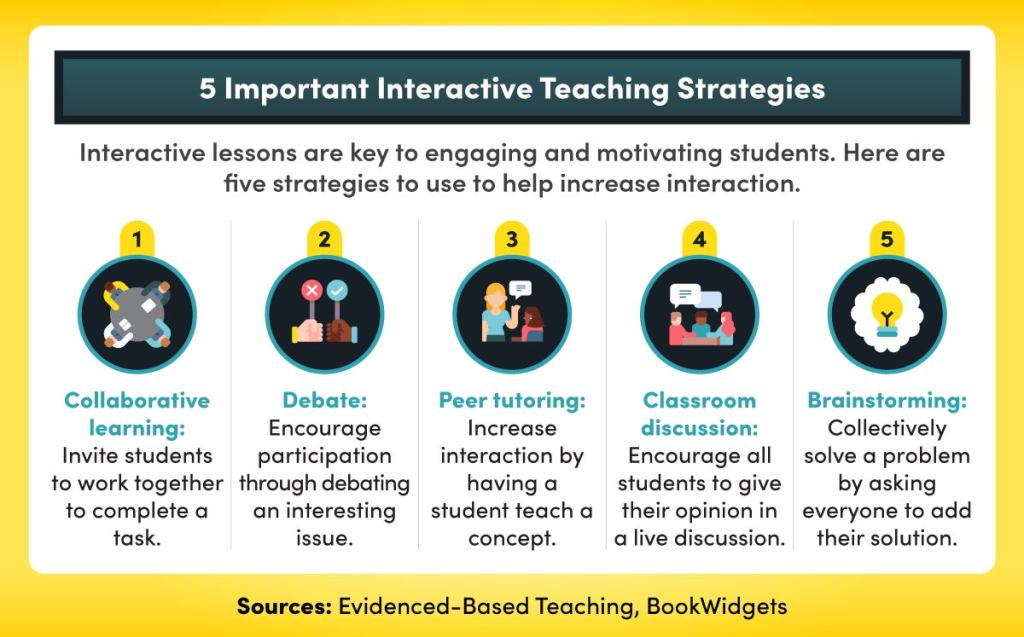
Another active learning strategy is collaborative group work, where students are divided into small groups to discuss topics, solve problems or complete tasks together. Collaborative group work promotes teamwork, communication skills, and peer-to-peer teaching among students. It allows individuals to learn from one another’s perspectives and experiences while developing important social skills such as leadership, cooperation, and conflict resolution.
Inquiry-based learning is yet another effective active learning strategy that encourages curiosity-driven exploration of a topic or concept. Students are encouraged to ask questions, conduct research, analyze data, and draw conclusions independently or collaboratively with their peers. This approach fosters critical thinking skills as well as a deeper understanding of the subject matter by allowing students to take ownership of their own learning process.
Active discussions within the classroom setting also promote engagement among students by encouraging them to share their thoughts, ideas, opinions on various topics related to the curriculum. Through guided discussions led by teachers or student moderators, learners can develop strong verbal communication skills while critically analyzing different viewpoints presented during these exchanges.
Incorporating technology into active learning strategies can further enhance student engagement by providing interactive multimedia resources such as videos, simulations or online platforms for collaborative projects. Technology integration not only caters to diverse learner preferences but also prepares students for digital literacy requirements in today’s increasingly tech-driven society.
Field trips offer an excellent opportunity for hands-on experiential learning outside the classroom environment. By visiting museums, nature reserves or historical sites relevant to their studies -students can connect theoretical concepts learned in class with real-world applications while gaining valuable practical insights through direct observation.
Finally- formative assessments like quizzes- polls- debates or presentations provide ongoing feedback on student progress throughout a unit of study- enabling educators to adjust instruction based on individual needs effectively These assessments encourage self-reflection- evaluation of one’s understanding while promoting accountability amongst learners towards achieving academic goals set forth within alternative schooling environments
In conclusion- incorporating active-learning strategies into alternative schooling settings can significantly enhance student engagement- motivation-and overall academic success Active-learning approaches not only foster critical thinking-skills-but also promote collaboration-problem-solving abilities-and creative expression vital for preparing individuals for success beyond traditional educational paradigms
 Alternative Amie
Leave a comment